
You have not yet added any article to your bookmarks!
Join 10k+ people to get notified about new posts, news and tips.
Do not worry we don't spam!
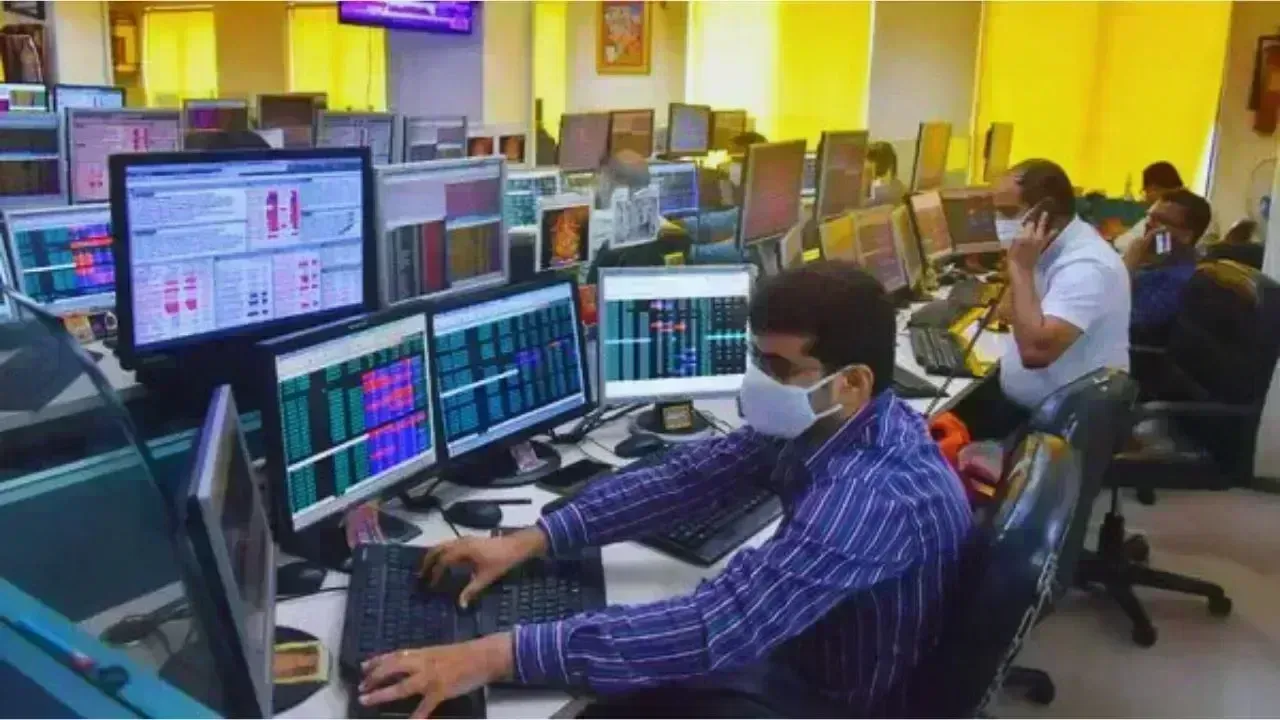
Post by : Anis Farhan
Stock market holidays are more than just non-trading days. They directly influence liquidity, settlement cycles, derivatives expiry planning, and short-term volatility before and after closures. For active traders, holidays can affect open positions, while for long-term investors, they are useful markers for portfolio reviews and strategy resets.
In India, stock markets typically close on major national holidays, religious festivals, and select regional observances. Both the equity and derivatives segments remain closed on these days, though commodity markets may follow a separate schedule.
Understanding the holiday structure in advance helps investors avoid surprises, plan entries and exits efficiently, and manage risk more effectively.
Indian stock market holidays are declared by stock exchanges after considering national importance, religious diversity, and operational requirements. The holiday list generally aligns with major public holidays observed across the country.
Most holidays are common across major exchanges, ensuring uniform closure of equity, equity derivatives, currency derivatives, and interest rate derivatives segments. However, commodity trading calendars may differ.
Apart from declared holidays, the Indian stock market remains closed on all Saturdays and Sundays throughout the year.
Trading will remain closed to mark India’s Republic Day. This national holiday commemorates the adoption of the Constitution of India and is one of the most significant public holidays observed nationwide.
As Mahashivratri falls on a Sunday in 2026, it does not result in an additional market holiday beyond the regular weekend closure.
The festival of colors brings a mid-week closure to Indian stock markets. Holi is widely celebrated across northern and central India, leading to a full-day trading halt.
Markets will remain closed to observe Mahavir Jayanti, which marks the birth anniversary of Lord Mahavir and is a significant festival in several parts of the country.
Good Friday leads to a consecutive closure with Mahavir Jayanti, resulting in an extended long weekend for markets. This holiday is observed across India.
Trading will be suspended to commemorate the birth anniversary of Dr B. R. Ambedkar, a key architect of the Indian Constitution.
Observed primarily in Maharashtra, this holiday is significant because Mumbai is the financial hub of India. As a result, stock markets remain closed nationwide.
Bakri Id, also known as Eid al-Adha, leads to a trading holiday. The exact date may vary based on moon sighting, but exchanges generally notify investors in advance.
July does not feature any major exchange-declared holidays in 2026, apart from regular weekends.
Since Independence Day falls on a Saturday in 2026, it coincides with the regular weekend market closure.
Ganesh Chaturthi also falls on a Saturday, resulting in no additional weekday market holiday.
September is expected to be a full trading month, excluding weekends, providing uninterrupted market activity.
Markets will be closed to mark Gandhi Jayanti, honoring Mahatma Gandhi. This holiday creates a long weekend and often impacts weekly trading volumes.
Dussehra, symbolizing the victory of good over evil, is a major festival across India and results in a full-day market closure.
On Diwali, Indian stock markets remain closed for regular trading. Traditionally, a special Muhurat Trading session may be conducted in the evening, subject to official exchange notification.
Markets will remain closed to observe Guru Nanak Jayanti, a significant festival especially in northern India.
The final stock market holiday of 2026 falls on Christmas Day, leading to a long weekend and marking the close of the calendar year’s trading activity.
Muhurat Trading is a symbolic trading session held on Diwali, considered auspicious in Indian tradition. It usually lasts for a short duration in the evening.
Although volumes are typically lower than regular sessions, Muhurat Trading holds cultural importance and often sees participation from long-term investors initiating fresh positions.
Market holidays can shift weekly derivatives expiries. Traders should track revised expiry dates to avoid miscalculations.
Trading volumes often thin out a day before long holidays, while volatility may increase immediately after markets reopen due to accumulated global cues.
Settlement cycles are adjusted around holidays, which may delay fund credits or debits by a day.
Active traders should reduce overnight exposure before extended closures, especially when global events are expected. Tight risk management becomes crucial around holiday periods.
Market holidays offer a good opportunity to review portfolios, reassess asset allocation, and plan systematic investments without reacting to daily price movements.
Derivative traders should closely track holiday-adjusted expiries and margin requirements to avoid last-minute surprises.
Stock market holidays do not always align with bank holidays. There may be days when banks are closed but markets are open, and vice versa.
Investors should ensure fund availability and settlement planning, particularly when transferring money to or from trading accounts around holiday periods.
Stock exchanges may revise holiday dates in exceptional circumstances or due to changes in festival observance dates based on lunar calendars.
Official exchange circulars and broker notifications usually provide timely updates in case of any changes.
The Indian stock market holiday calendar for 2026 reflects a balanced mix of national and religious observances, offering several long weekends and extended breaks. While these holidays bring temporary pauses in trading, they also provide opportunities for reflection, planning, and strategic adjustment.
By being aware of these dates well in advance, investors and traders can navigate the year more confidently, avoid operational hiccups, and align their investment strategies with market schedules.
Disclaimer:
This article is for informational purposes only. Stock market holiday dates are based on current exchange indications and are subject to official confirmation or revision. Investors are advised to check final notifications from stock exchanges or their brokers before planning trades or settlements.








AI Companies Expected to Drive Most US Earnings Growth in Q3
AI companies are expected to drive US third-quarter earnings growth as investors assess tech profits

Money Market Funds See Record Inflows as Global Bond Selloff Intensifies
Global money market funds attract $153.81 billion as bond yields rise, inflation fears persist and i

Meta Bans TikTok Ads on Facebook and Instagram in Seven Countries
Meta has banned TikTok ads in seven countries, escalating competition over social media users, adver

ASML and Zeiss Target Next-Generation Chip Technology in 10 Years
ASML and Carl Zeiss are developing Hyper NA technology to print smaller chip circuits, with the next

Rabada Misses First Australia Test as South Africa Pick Two Spinners
Kagiso Rabada misses the opener as South Africa vs Australia begins, with Anrich Nortje returning an

Starc Compares Australia's Tough Year to McIlroy's Major Sweep
Mitchell Starc says Australia winning three away Test series and the World Cup would match Rory McIl

