You have not yet added any article to your bookmarks!
Join 10k+ people to get notified about new posts, news and tips.
Do not worry we don't spam!
Post by : Anis Farhan
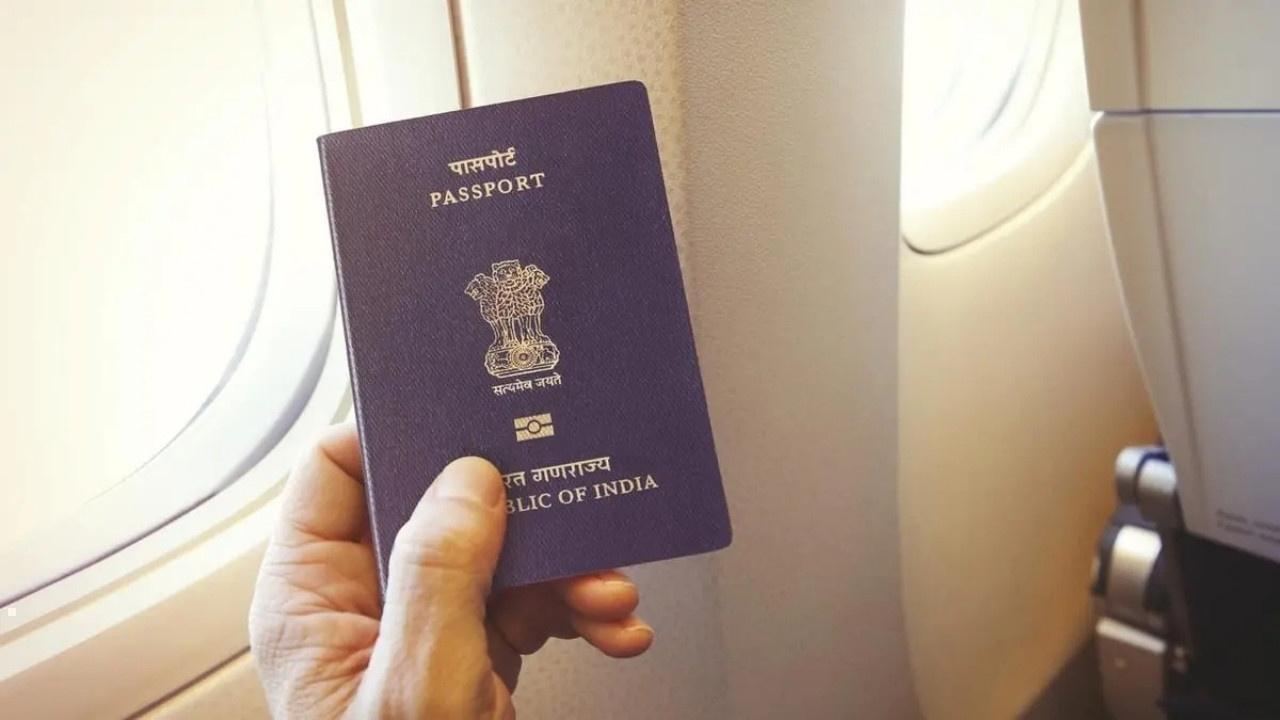
In a significant advancement, India has commenced the rollout of its state-of-the-art e-passport. This modern travel document departs from the traditional booklets currently held by millions, featuring an integrated electronic chip that securely stores biometric and personal data, representing a major milestone in the evolution of Indian travel documentation.
Over 120 nations already utilize chip-enabled passports that align with global aviation and security protocols. With India's entry into this sphere, its citizens will benefit from enhanced protection against identity fraud, greater international recognition, and access to automatic immigration systems at various airports.
The introduction of the e-passport is part of the government's Passport Seva Programme update, aimed at modernizing travel documentation into a more secure, efficient, and future-oriented system that showcases India's aspirations for digital identity and worldwide mobility.
In contrast to a typical Indian passport, which is merely a printed booklet with personal details, the e-passport fuses physical documentation with digital ID technology. The notable feature is a small, contactless chip embedded in the cover, housing encrypted personal and biometric information of the passport holder.
This chip isn't readily accessible; special scanners at immigration posts and e-gates are required for data retrieval. Its encryption guarantees that the information is highly secure against alterations or forgery, making it a much more robust option than previous versions.
Signified by a small gold icon on its cover, the e-passport is easily identifiable for airport systems.
The traditional passport remains valid until it expires, while the new e-passport sets the standard for future issuances and renewals.
The transition to e-passports is motivated by various strategic considerations.
Given that India is among the most globally mobile populations, with significant travel for both business and leisure, adopting chip-enabled passports grants smoother travel experiences through increasingly biometric-reliant international airports.
Heightened security concerns also drive this move, as traditional document forgery and identity manipulation become more prevalent. The embedded chip reduces the risks associated with these issues by safeguarding all stored data with digital signatures that are difficult to replicate.
The modernization of the Passport Seva Programme plays a crucial role, as it aligns the passport issuance process with global standards, making it more digital and efficient. This new e-passport aligns with that vision, enhancing the global travel profile for its citizens, particularly in nations where biometric identification is essential.
The functionality of the e-passport is straightforward yet highly secure, revealing why this upgrade is crucial for travelers.
A microprocessor chip and antenna embedded in the back cover store encrypted data such as name, passport number, birth date, and biometric identifiers like fingerprints.
When presented at immigration checkpoints, the chip's data is scanned contactlessly. The system verifies this information against the passenger's live biometrics, allowing instant authentication. This process is significantly faster than manual checks and minimizes human error.
If attempts are made to alter the chip's data, its digital signature would be compromised, raising immediate red flags during inspections, thus ensuring that the e-passport is both tamper-evident and reliable.
Every Indian citizen qualified for a conventional passport is eligible for the e-passport. The application procedure mirrors the existing process, allowing applicants to apply for either a new passport or to renew an old one.
Appointments must still be made via the Passport Seva Portal, requiring visits to a Passport Seva Kendra or a Post Office Passport Seva Kendra for document verification and biometric collection. Data gathered in this stage is stored on the passport's chip.
Currently, not every center is equipped to issue e-passports; the phased rollout starts with major cities, eventually transitioning all passport offices in India to provide chip-enabled passports.
For citizens residing abroad, e-passports can be received through embassies and consulates as international rollout progresses.
The biometric symbol on the cover serves as the most immediate identification of an e-passport, an internationally acknowledged icon that signals to immigration systems the presence of a chip.
Within the passport, the data page maintains the familiar look of current booklets, although the back cover is slightly thicker due to the included chip.
Not at all. Current Indian passports retain their validity until the designated expiry. There is no immediate necessity for citizens to switch to the new e-passport. Over time, the e-passport will become the norm for new applications and renewals.
Travelers with conventional passports are encouraged to continue their journeys without interruption until renewal is due. However, those who wish to utilize the advantages of expedited processing can voluntarily apply for an e-passport during their renewal.
The e-passport offers numerous benefits related to security, convenience, and international mobility.
Enhanced Security
The chip-enabled passport greatly mitigates identity theft, duplication, and document fraud risks, particularly crucial in an era of sophisticated global identity fraud.
Quicker Immigration Processing
With many international airports utilizing automated e-gates, holders of chip-enabled passports enjoy expedited entry and exit, streamlining the travel experience and reducing waiting times.
Compatibility with Global Travel Standards
The gradual shift to e-passports aligns Indian citizens with international travel requirements, which may prefer or mandate chip-enabled passports.
Streamlined Indian Passport Services
Alongside the introduction of the e-passport, the Passport Seva system is undergoing enhancements for better digital interfaces, improved service tracking, enhanced workflows, and shorter processing times.
Future-Readiness
As travel increasingly pivots towards biometric verification, India's e-passport positions its citizens well for the upcoming era of border technology.
While the e-passport brings a host of benefits, the transition period may present challenges.
Initial availability may vary by state, making it unclear to applicants which centers will issue e-passports.
Raising public awareness about the e-passport’s functionalities and requirements will be vital for a smooth adoption process.
Some international airports may not currently support biometric e-gates, resulting in varying experiences for travelers based on their destination.
As the passport contains sensitive biometric data, there may also be concerns surrounding privacy and data protection. The chip's security measures will partly address these but will require user awareness.
The introduction of e-passports has implications that extend beyond personal convenience at airports.
Automated immigration systems become more efficient with chip verification, leading to less congestion at borders, promoting tourism, streamlining passenger flow, and freeing officers to manage complex situations.
Security operations see advantages from reduced document fraud and improved identification processes.
For India's diaspora, the new passport signifies an elevated global identity standard and showcases the country's dedication to modern travel documentation.
This move also aligns India with global initiatives for next-gen biometric passports, enhancing the international standing of Indian travel documents.
Those applying for or renewing passports should verify whether their local Passport Seva Kendra issues e-passports. If not, traditional formats may be provided until their center transitions.
Continued use of existing passports is acceptable for upcoming international travel, with no pressing need to change unless desired for the latest features.
Maintaining the physical condition of e-passports is critical, as damage can disrupt data readability, even though the chip is secured inside.
When processing through airports, travelers should inquire whether their destination supports e-gate technology, as experiences may vary.
The rollout of India’s e-passport signifies a modern approach to personal identity and global passage. It offers enhanced security, faster processing times, better international compatibility, and the latest in digital verification technology to a vast number of citizens.
Though traditional passports remain valid for the foreseeable future, the e-passport is set to lead the way in creating smoother, safer journeys that align with global standards.
As the rollout progresses domestically and internationally, the e-passport will soon become the standard for Indian travelers. It's a significant milestone in enhancing the efficiency of public services and facilitating seamless global mobility for the nation.






Spain's Diego Poncelet Sets Skateboarding World Speed Record
Spain's Diego Poncelet reaches 151.83 km/h in a record-breaking downhill skateboard run in Canada, s

Hyundai Recalls 94,622 US Vehicles Over Potential Fire Risk
Hyundai recalls 94,622 US vehicles over overheating seat motors. Check affected Genesis models, fire

Nvidia Pledges $250 Million for UK AI Safety Research
Nvidia will provide $250 million in computing resources over five years to support AI safety researc

Jacob Bethell Returns as England Name Squads for Australia Tour
England name ODI and T20 squads for the Australia tour, with Jacob Bethell returning from injury and

Beauden Barrett Opens Up About Mental Struggles During All Blacks Exile
Beauden Barrett discusses his confidence struggles after missing six tests, his return against Austr

IMF Says AI Investment Supports Global Growth Despite Energy Shock
IMF says AI investment is supporting global growth near 3%, with Asian economies benefiting from ris