
You have not yet added any article to your bookmarks!
Join 10k+ people to get notified about new posts, news and tips.
Do not worry we don't spam!
Post by : Meena Ariff
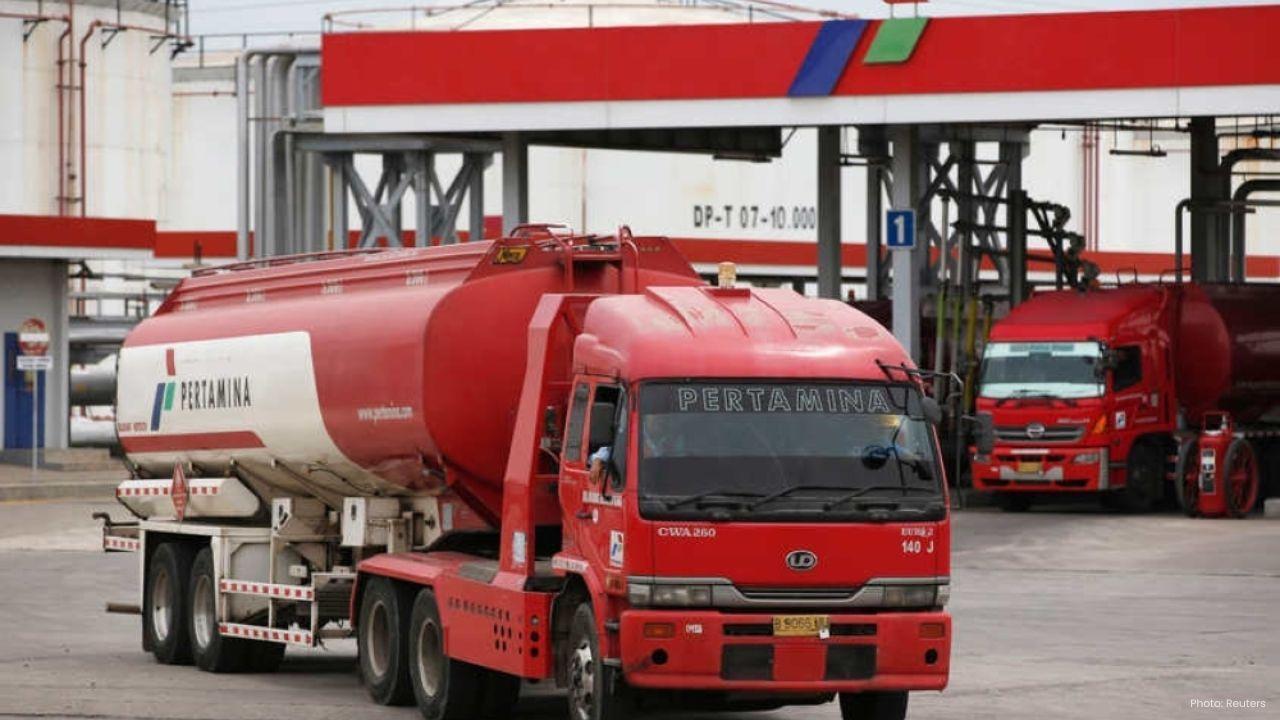
Indonesia has taken an important step towards using cleaner and greener energy in the aviation sector. The country’s state-owned oil and gas company, PT Pertamina, has successfully completed its first delivery of aircraft fuel made from used cooking oil. This marks a new chapter in Indonesia’s journey to move away from fossil fuels and adopt environmentally friendly fuel options.
The achievement was announced by Pertamina’s Deputy President Director, Oki Muraza, during a press conference in Cilacap, Central Java Province. He explained that this special type of fuel, called Sustainable Aviation Fuel (SAF), was produced at the company’s refinery in Cilacap. The total amount of this delivery was 32 kilolitres – enough to make a difference in demonstrating the country’s new energy capabilities.
From Kitchen Waste to Jet Engines
What makes this fuel unique is its source. Instead of being made from crude oil, it comes from used cooking oil – the same type of oil that restaurants, households, and food industries throw away after frying food. Normally, used cooking oil is discarded, which can harm the environment if not disposed of properly.
Now, instead of becoming waste, this oil is collected, cleaned, and processed into a high-quality aviation fuel. The process also includes the use of other vegetable oil resources. The result is a fuel that can power airplanes while producing fewer harmful emissions compared to traditional jet fuel.
This approach not only helps reduce environmental pollution but also creates an additional income source for people who can sell their used oil.
Expanding Production Across Indonesia
According to Muraza, this first delivery is just the beginning. Pertamina plans to increase its co-processing capacity – the ability to produce biofuel alongside traditional fuel – at several of its refineries across the country.
Future expansion will include refineries in:
Dumai, Riau Province
Balongan, West Java Province
The goal is to turn Indonesia into a regional hub for environmentally friendly fuels, especially in Southeast Asia. This would allow the country not only to meet its own clean energy needs but also to export green fuels to other nations.
A Strong Push Towards Clean Energy
For years, Indonesia has been heavily dependent on fossil fuels such as oil, coal, and gas. These energy sources are known to cause high carbon emissions, contributing to climate change and air pollution.
The government has been working to change this by promoting clean energy sources like solar power, wind energy, and biofuels. Producing aviation fuel from used cooking oil is part of this broader effort.
By reducing the use of fossil fuels in aviation – one of the industries with high carbon emissions – the country is making a significant contribution to fighting climate change.
How the Fuel is Made
The production process begins with collecting used cooking oil from households, restaurants, and industries. This oil is often full of food particles, water, and other impurities, so it first goes through a cleaning process.
Next, the oil is treated using advanced refining technology at Pertamina’s facility in Cilacap. This technology removes unwanted substances and transforms the oil into a form suitable for blending with regular aviation fuel.
The result is Sustainable Aviation Fuel, which meets the strict standards required for use in aircraft engines.
Environmental and Economic Benefits
The move to use cooking oil-based jet fuel offers multiple advantages:
Lower Carbon Emissions – SAF can reduce greenhouse gas emissions by up to 80% compared to regular jet fuel, depending on how it’s produced.
Waste Reduction – Used cooking oil no longer ends up polluting waterways or being burned as waste.
New Business Opportunities – Small businesses and individuals can collect and sell used cooking oil, creating a new source of income.
Energy Security – Using domestic resources reduces the need for importing expensive crude oil.
Indonesia’s Role in Global Efforts
Across the world, countries are searching for ways to make aviation more sustainable. Air travel is a major contributor to global carbon emissions, and the industry faces growing pressure to cut its environmental impact.
By producing SAF from used cooking oil, Indonesia is joining a small group of countries leading the way in this field. It shows that innovation is possible even in industries traditionally dependent on fossil fuels.
Government’s Long-Term Goals
The Indonesian government has set clear targets for increasing the use of clean energy in its overall energy mix. These targets include:
Reducing greenhouse gas emissions in line with the Paris Agreement
Expanding the use of biofuels in both land and air transportation
Encouraging investment in renewable energy projects
Turning waste into high-value fuel fits perfectly into these plans. It not only addresses environmental concerns but also strengthens the country’s economy.
A Step Towards a Cleaner Sky
The first delivery of SAF made from used cooking oil is a small but meaningful step. Each litre of this fuel means less carbon dioxide released into the atmosphere. While the amount – 32 kilolitres – may seem small compared to global aviation fuel demand, it represents a starting point for much larger production in the future.
Muraza expressed confidence that Indonesia could become a key supplier of green aviation fuel in the Asia-Pacific region. If production continues to grow, it could help airlines reduce their environmental footprint while keeping ticket prices stable.
Challenges Ahead
While the technology is promising, there are challenges that Indonesia will need to address:
Collection Network – Gathering large amounts of used cooking oil from across the country requires an efficient system.
Production Costs – SAF is currently more expensive to produce than regular jet fuel.
Infrastructure – Refineries need upgrades to handle larger SAF production volumes.
Market Demand – Airlines must be willing to use and pay for SAF to keep production sustainable.
However, with government support and industry cooperation, these challenges can be overcome.
Community Involvement
This project also opens the door for public participation. Households and restaurants can now play a role in protecting the environment by properly storing and selling their used cooking oil. In some areas, collection points may be set up, allowing people to bring in their waste oil for payment.
This approach not only helps the environment but also raises awareness about recycling and renewable energy among the general public.
Indonesia’s first SAF delivery made from used cooking oil sends a powerful message: waste can be turned into a valuable resource. By rethinking how we handle everyday waste products, it is possible to create solutions that benefit both the planet and the economy.
This milestone shows that with innovation, determination, and cooperation between the government, businesses, and the public, cleaner skies are within reach.










PM Modi Pays Tribute to Mahatma Gandhi, Urges People to Support Khadi
PM Modi pays tribute to Mahatma Gandhi on Gandhi Jayanti and urges citizens to support Khadi and the

Amazon Seeks to Offload $8 Billion in Nvidia Chips to Investors
Amazon plans to move $8 billion in Nvidia chips to investors, using a new financing model to strengt

Samsung Raises Galaxy S26 Prices as Memory Chip Costs Rise
Samsung raises Galaxy S26 prices in South Korea as rising memory chip costs put pressure on smartpho

Lewis Hamilton Calls Singapore Grand Prix One of F1's Toughest Races
Lewis Hamilton discusses the demanding Singapore Grand Prix and brings Plus44 and Almave to Singapor

Denmark's Pandora Opens World's Largest Jewellery Factory in Vietnam
Pandora opens its largest jewellery factory in Vietnam, expanding global production, strengthening s

Gautam Gambhir Questions Batting-Friendly Pitches After India's Record ODI Chase
Gautam Gambhir questions batting-friendly ODI pitches after India’s record chase, calling for a bett

