
You have not yet added any article to your bookmarks!
Join 10k+ people to get notified about new posts, news and tips.
Do not worry we don't spam!

Post by : Anis Farhan
International Men’s Day, observed annually on November 19, transcends mere calendar significance. It serves as a global chance to acknowledge the social, emotional, and cultural experiences of men while shedding light on the challenges they encounter in health, relationships, and personal development. As discussions around mental health and gender roles evolve, the day is gaining increased importance in contemporary society.
Typically, the day focuses on promoting positive masculinity, encouraging healthy role models, improving health outcomes for men, and fostering gender balance. Across the globe, communities engage in discussions, awareness campaigns, seminars, and school activities emphasizing men’s journeys and hurdles.
This piece examines the significance of International Men’s Day, the vital issues it highlights, and how societies can foster healthier environments for men and boys.
International Men’s Day aims to spotlight areas where boys and men need support and reform. Its core goals include:
Celebrating positive male role models
Enhancing men’s physical and mental health
Addressing issues facing boys and men
Strengthening gender relations
Promoting respectful and empathetic masculinity
Recognizing men’s contributions to communities
Acknowledging men's challenges complements the broader objectives of gender equality. When the wellbeing of men improves, families thrive, communities prosper, and society flourishes.
As societal norms shift, men’s roles and expectations are evolving rapidly. While these changes can be uplifting, they also pose rising pressures that many men face silently.
Around the world, men face higher suicide rates but are often reluctant to seek help, shaped by societal expectations that discourage emotional expression.
Men frequently feel the burden of being providers and problem-solvers, leading to increased burnout in competitive career landscapes.
Modern fathers are engaging more in nurturing roles, yet they often face societal lack of support as they balance work and home life.
Men are less likely to receive routine check-ups, resulting in late-stage diagnoses of preventable health issues.
The definition of masculinity is being re-examined, leading men to navigate their understanding of strength and emotional expression.
International Men’s Day sparks crucial discussions, helping build healthier models of masculinity.
A key focus of International Men’s Day is the promotion of positive masculinity. Rather than confining men to narrow definitions, it encourages:
Emotional intelligence
Respectful partnerships
Empathy and gentleness
Accountability
Compassionate leadership
Supportive collaboration
Confidence without dominance
Positive masculinity does not refute traditional traits like strength but recontextualizes them. Being strong can mean being vulnerable. Effective leadership can embody kindness. When men feel free to express their authentic selves, society thrives.
Mental health remains a pressing focus on International Men’s Day, addressing the tendency for men to conceal emotional struggles due to societal influences.
The misconception that “men must always be strong” obstructs discussions about emotional distress, isolating those battling with anxiety and depression.
Unexpressed feelings may manifest as anger or reckless behavior. Many men lack the skills needed to cope healthily.
A primary goal of International Men’s Day is normalizing the value of counseling and therapy, highlighting that seeking support is a demonstration of strength.
Mentorship opportunities, community programs, and workplace wellness initiatives help bolster men's mental health.
By championing openness, society can alleviate the silent battles faced by many men.
Physical health among men continues to be a vital concern. Alarming trends show men's life expectancy falls behind women's due to various factors including lifestyle choices and delayed medical intervention.
Heart disease
Hypertension
Diabetes
Prostate issues
Obesity
Chronic stress
Substance abuse
International Men’s Day prompts men to engage in preventive health measures—regular check-ups, active living, balanced dieting, and stress management.
Men often overlook preventive care until health issues arise. Enhancing awareness is critical for mitigating long-term health risks.
Physical activity is essential for health. Men’s fitness clubs, sports leagues, and active community programs can help foster healthier lifestyles.
Recognizing health risks is crucial for men to prioritize their wellbeing, empowering proactive health management.
The landscape of fatherhood is transforming. Contemporary fathers are increasingly nurturing, and International Men’s Day acknowledges their role in fostering emotionally stable children and nurturing balanced households.
Fathers today engage more in family activities, from emotional discussions to shared responsibilities, compared to previous generations.
An emotionally present father significantly benefits children, promoting their confidence and resilience.
Juggling work commitments with parenting can present struggles. Many fathers face difficulty in balancing professional growth with family time, necessitating supportive workplace policies.
The notion of the disengaged father is outdated, and International Men’s Day celebrates those who embrace active caregiving roles with pride.
Societal norms deeply shape men’s identity and behavior. International Men’s Day serves as a platform for questioning and reshaping these norms.
Many men feel the weight of financial responsibility, even in supportive partnerships. This can detrimentally impact well-being and self-worth.
Too often, men are restricted to roles of protectors and problem-solvers, with little room for emotional expression or vulnerability.
Men frequently experience anxiety about meeting expectations across various domains—work, relationships, and finances—leading to stress and burnout.
Success should encompass emotional wellbeing, supportive relationships, and personal growth, not just financial metrics.
Reevaluating these standards promotes healthier identities for men.
International Men’s Day also recognizes the manifold contributions men make—whether as professionals, fathers, philanthropic leaders, or friends. Men enhance communities through:
Acts of kindness
Hard work
Mentoring young individuals
Caring for families and communities
Innovative contributions at work
Giving back to the community
This day emphasizes recognizing the often unnoticed ways men contribute, nurturing gratitude and fortifying communities.
Around the globe, communities observe International Men’s Day through a spectrum of activities:
Programs focus on themes like mental health, fatherhood, stress management, and healthy masculinity.
Outdoor and fitness events encourage men to prioritize their health and wellbeing.
Schools leverage the occasion to teach boys values like empathy, respect, and the importance of seeking help.
Influencers and creators share narratives that highlight resilience and vulnerability in men.
Organizations honor men who positively impact society.
Such celebrations instill a sense of belonging and recognition among men.
International Men’s Day encourages proactive steps for personal wellbeing:
Engage in open dialogues about struggles
Seek counseling when necessary
Cultivate strong friendships
Dedicate time to hobbies
Incorporate regular exercise
Prioritize health screenings
Balance work and relaxation
Challenge negative stereotypes
Practice self-compassion
These small, intentional actions lead to profound change over time.
Communities can create healthier environments for men by:
Encouraging emotional openness
Avoiding judgmental attitudes
Supporting fatherhood roles
Fostering awareness around mental health
Promoting balanced workplace practices
Teaching empathy and respect to young boys
Normalizing help-seeking behaviors
Celebrating men’s contributions
Building supportive communities positively impacts everyone involved.
International Men’s Day stands as a crucial reminder that men’s wellbeing is intertwined with the health of families and societies. Recognizing the challenges men face—along with their contributions—paves the way for healthier, more compassionate communities. This day encourages embracing authenticity and emotional expression, fostering responsibility and kindness. It provides a platform to discuss and dismantle stereotypes while paving the route for inclusive, supportive definitions of masculinity.
As the landscape continues to transform, so too must our comprehension of men’s needs and identities. International Men’s Day reminds us of this commitment—not just on November 19, but daily in our interactions with the men in our lives.
This article serves informational and editorial purposes, summarizing social perspectives on International Men’s Day and is not intended as a substitute for professional mental health advice.








Hyundai Recalls 94,622 US Vehicles Over Potential Fire Risk
Hyundai recalls 94,622 US vehicles over overheating seat motors. Check affected Genesis models, fire

Nvidia Pledges $250 Million for UK AI Safety Research
Nvidia will provide $250 million in computing resources over five years to support AI safety researc

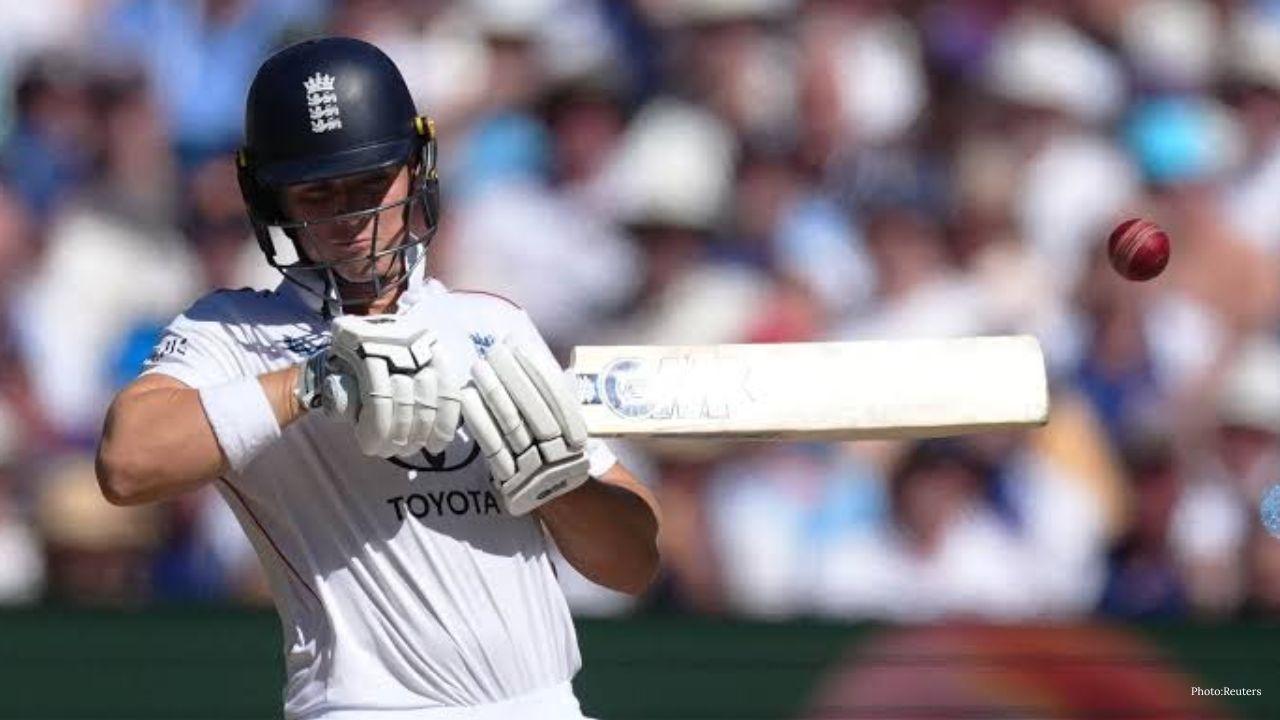
Jacob Bethell Returns as England Name Squads for Australia Tour
England name ODI and T20 squads for the Australia tour, with Jacob Bethell returning from injury and

Beauden Barrett Opens Up About Mental Struggles During All Blacks Exile
Beauden Barrett discusses his confidence struggles after missing six tests, his return against Austr
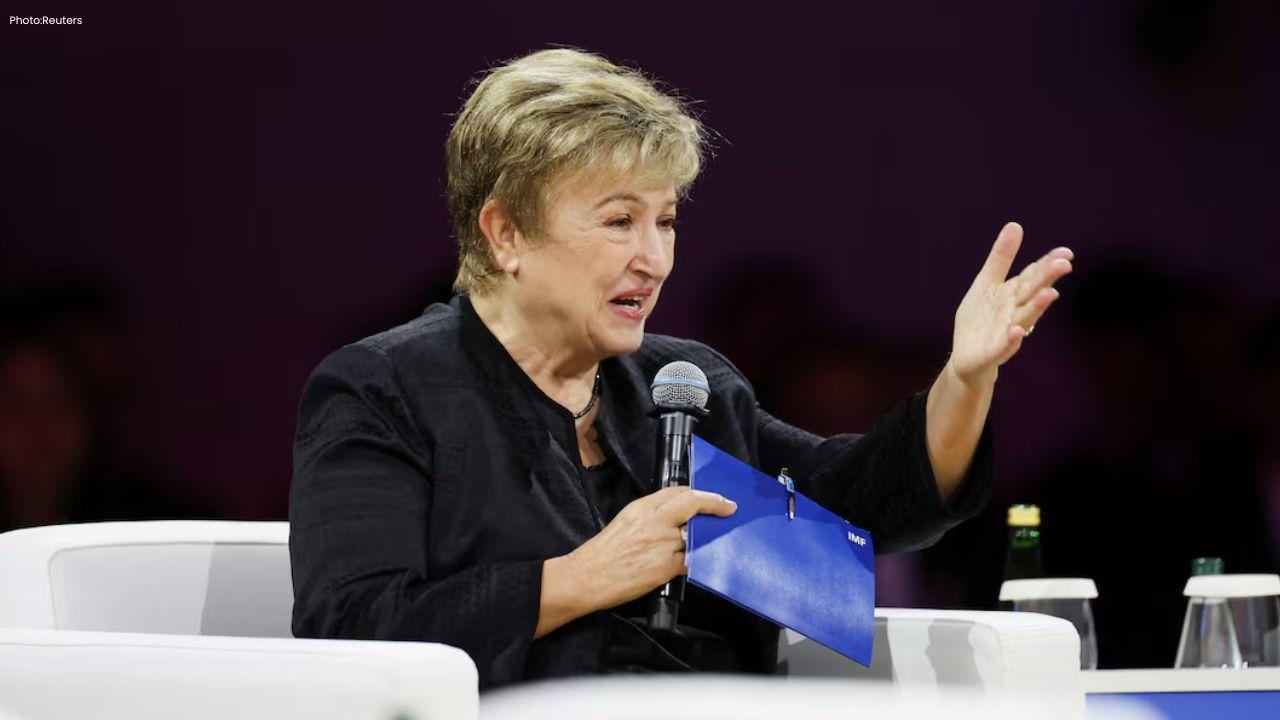
IMF Says AI Investment Supports Global Growth Despite Energy Shock
IMF says AI investment is supporting global growth near 3%, with Asian economies benefiting from ris

Will O'Rourke Ruled Out of New Zealand's India Series
New Zealand fast bowler Will O'Rourke will miss the India series with hamstring and calf injuries as

