You have not yet added any article to your bookmarks!
Join 10k+ people to get notified about new posts, news and tips.
Do not worry we don't spam!
Post by : Saif Rahman
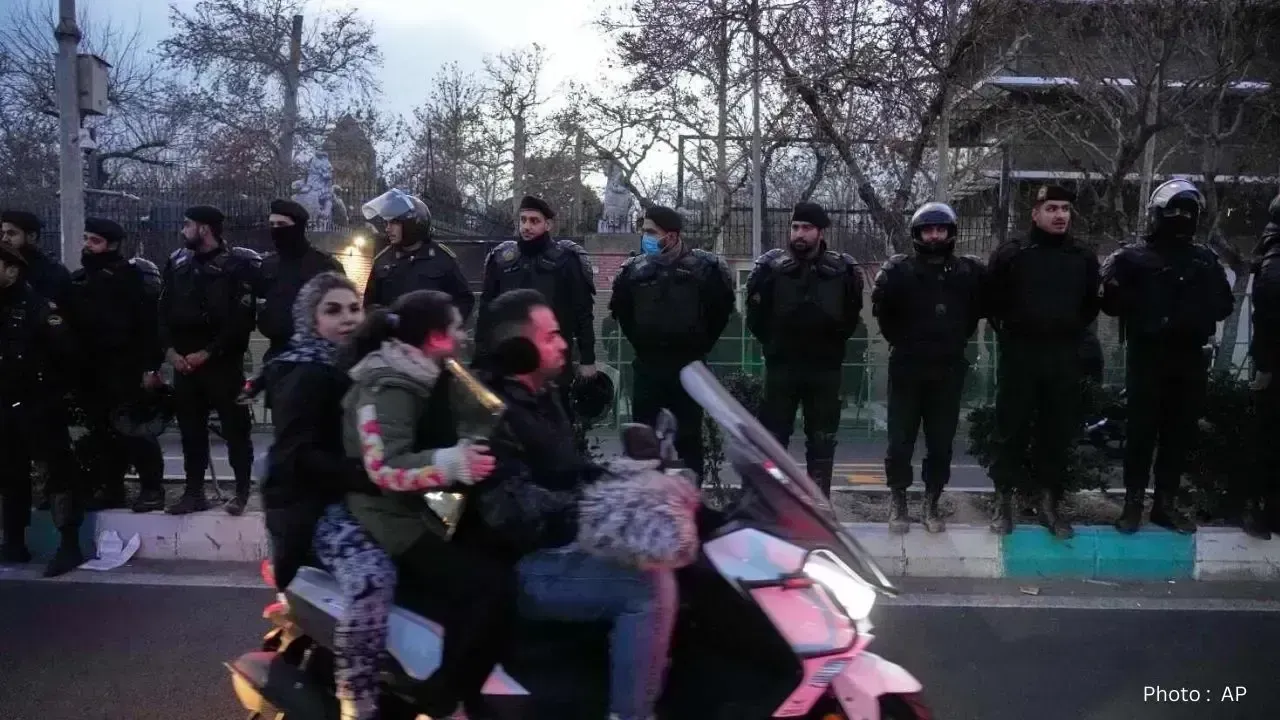
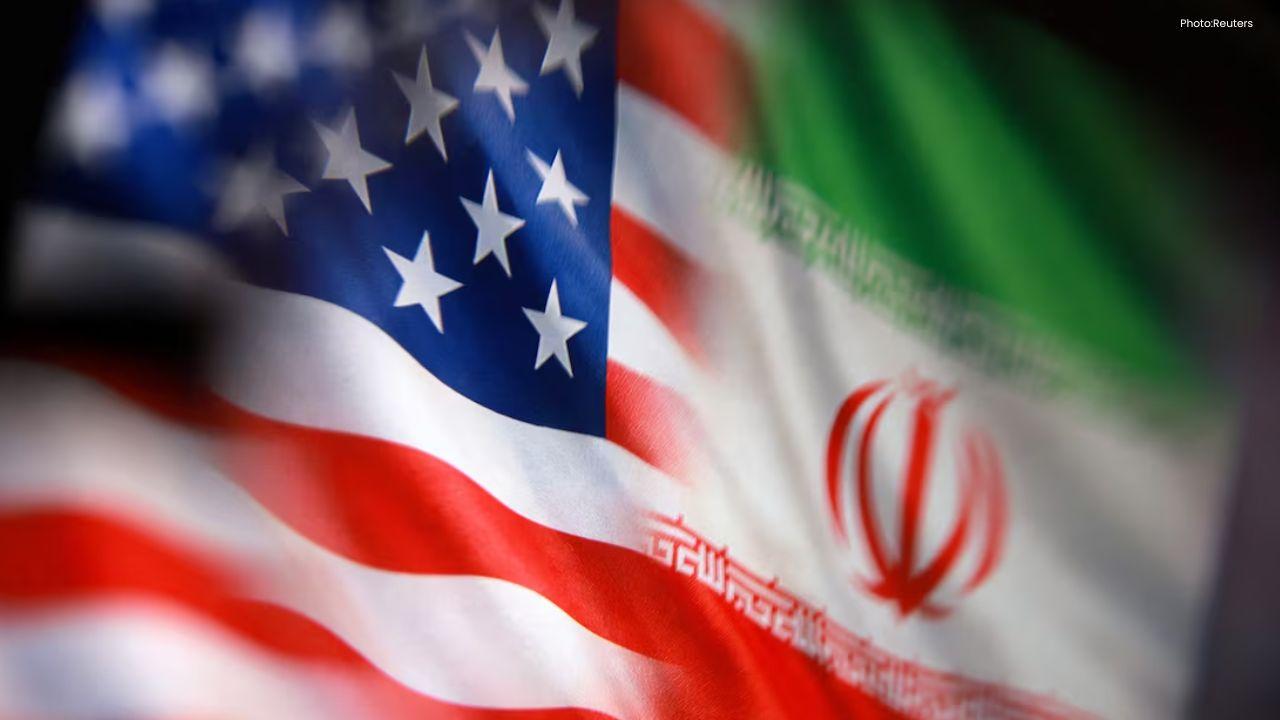
In a surprising move, Iran temporarily barred commercial aircraft from its airspace for several hours on Thursday, significantly impacting international air travel and raising alarm over regional security. This action, lacking a clear explanation from Tehran, coincides with heightened tensions with the United States due to a violent crackdown on ongoing nationwide protests.
The closure, which lasted over four hours as communicated to pilots, affected crucial east-west flight routes that link Europe to Asia. As a result, numerous international airlines had to redirect their flights to circumvent Iranian airspace. The airspace reopened after a brief extension, with domestic flights resuming shortly after 7 a.m.
This is not the first time Iran has restricted its airspace during conflicts; past closures occurred amid military confrontations, including during a 12-day period of conflict with Israel. However, this latest action sparked surprise in the aviation sector, given the lack of visible military strife at that moment and Iran's strategic position in global aviation.
Aviation safety experts have expressed concerns that the closure reflects underlying security issues. SafeAirspace, a platform monitoring civil aviation risks, alerted that several airlines have already curtailed or halted their journeys in the vicinity. They mentioned that such developments could hint at potential military activities, increasing the chance of civilian flights being misidentified as threats.
The apprehension is well-founded, recalling the tragic downing of Ukraine International Airlines Flight PS752 by Iran’s air defenses in 2020, which killed 176 individuals. Initially, Iranian authorities denied culpability but later accepted responsibility for the missile strikes, a shadow that continues to impact airlines' safety assessments.
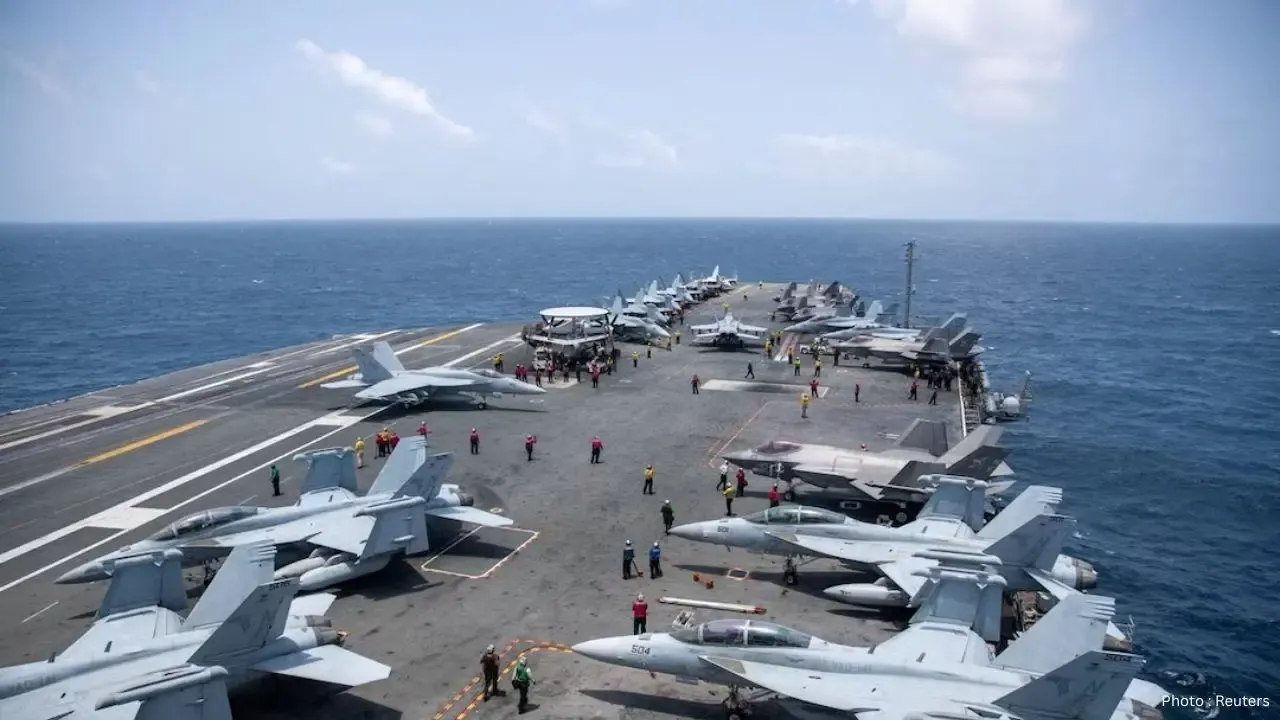
The airspace closure was accompanied by escalating security alerts throughout the Gulf region. Some personnel stationed at a vital U.S. military base in Qatar received evacuation directives, while U.S. Embassy staff in Kuwait were urged to limit travels to military locations. These precautions heightened fears of a rapid deterioration in relations between Tehran and Washington.
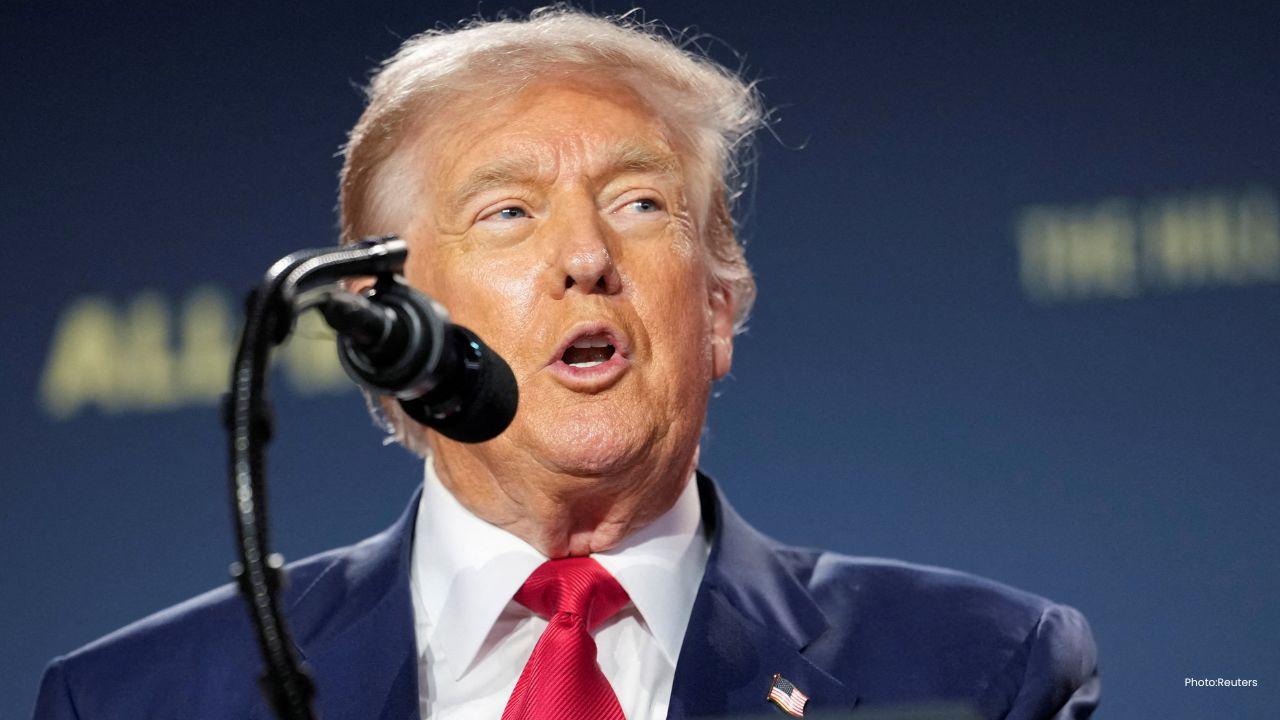
U.S. President Donald Trump’s ambiguous statements have only fueled uncertainty. He claimed to have received reports from “very important sources” suggesting that Iran had halted executions of detainees, although no evidence was provided. When questioned about the potential for military action, he acknowledged ongoing monitoring of the situation.
Just a day prior, Trump assured Iranian protesters that “help is on the way,” hinting at potential U.S. measures in response to Iran's handling of protests, intensifying worries of a vigorous response from Washington.
Conversely, Iranian officials adopted a more conciliatory tone. Foreign Minister Abbas Araghchi advocated for diplomacy over conflict, acknowledging past grievances in U.S.-Iran relations. His comments may signal Tehran's desire to mitigate broader military escalation.
This diplomatic overture contrasts with a tougher domestic stance, as the judiciary indicated a rapid crackdown on thousands detained during protests. Human rights organizations cautioned that executions could soon commence.
Reports indicate that over 2,615 individuals have perished due to the government's repressive actions, marking the deadliest protest waves Iran has witnessed in decades, reminiscent of the 1979 Islamic Revolution.
Within Iran, scenes of mourning and dissent persist, with funerals for deceased security personnel and rallies supporting anti-government sentiment spilling into cities beyond Iran, including Berlin and Holon in Israel.
While the brief closure of the airspace has concluded, the overarching crisis remains unresolved. With protests ongoing and intense governmental responses, the relationship between Tehran and Washington remains precarious, and fears linger that even minor incidents could ignite a much larger crisis in the turbulent region.

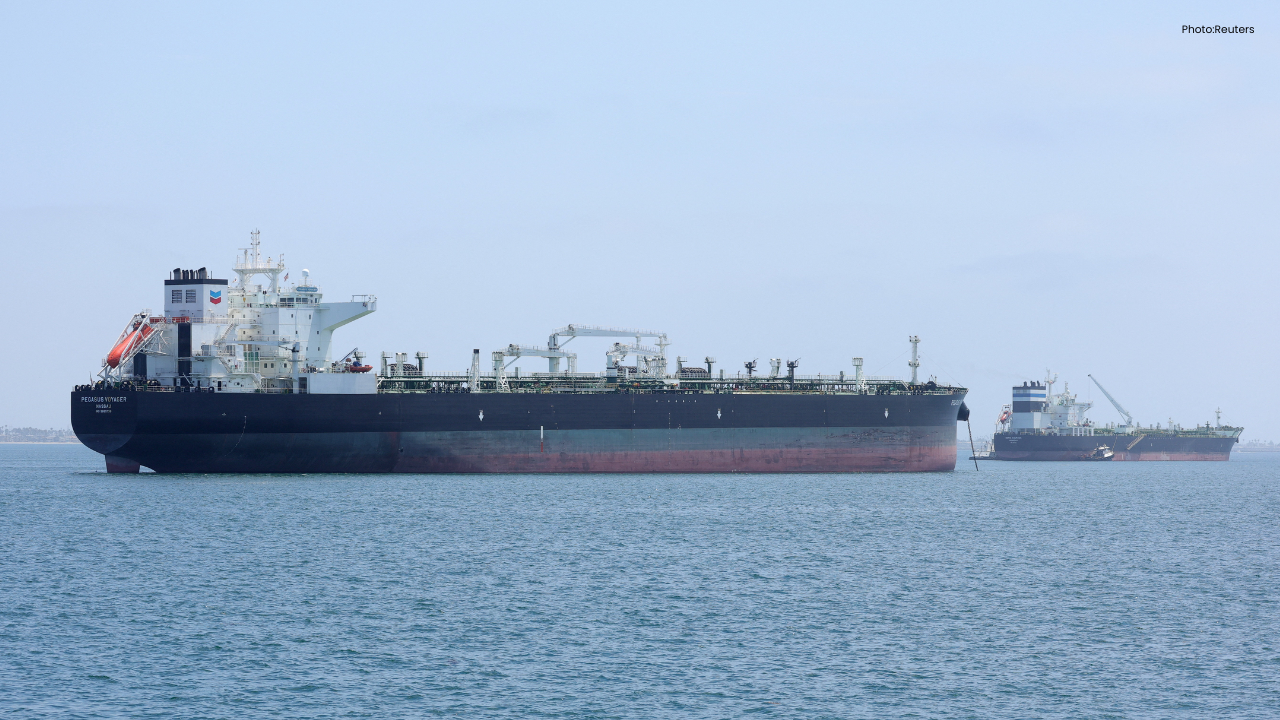



George Russell Wins Dutch GP Sprint, Boosts Mercedes Morale
George Russell wins the Dutch GP Sprint from pole as Mercedes teammate Kimi Antonelli extends his F1

Australia 50/3 After Bangladesh Bowled Out for 64 in Second Test
Australia reached 50/3 after Bangladesh were bowled out for 64 in the second Test, with Mitchell Sta

Jordan Burroughs Returns to Wrestling with 2028 Olympic Dream
Jordan Burroughs returns to wrestling with Real American Freestyle as the Olympic champion eyes a po
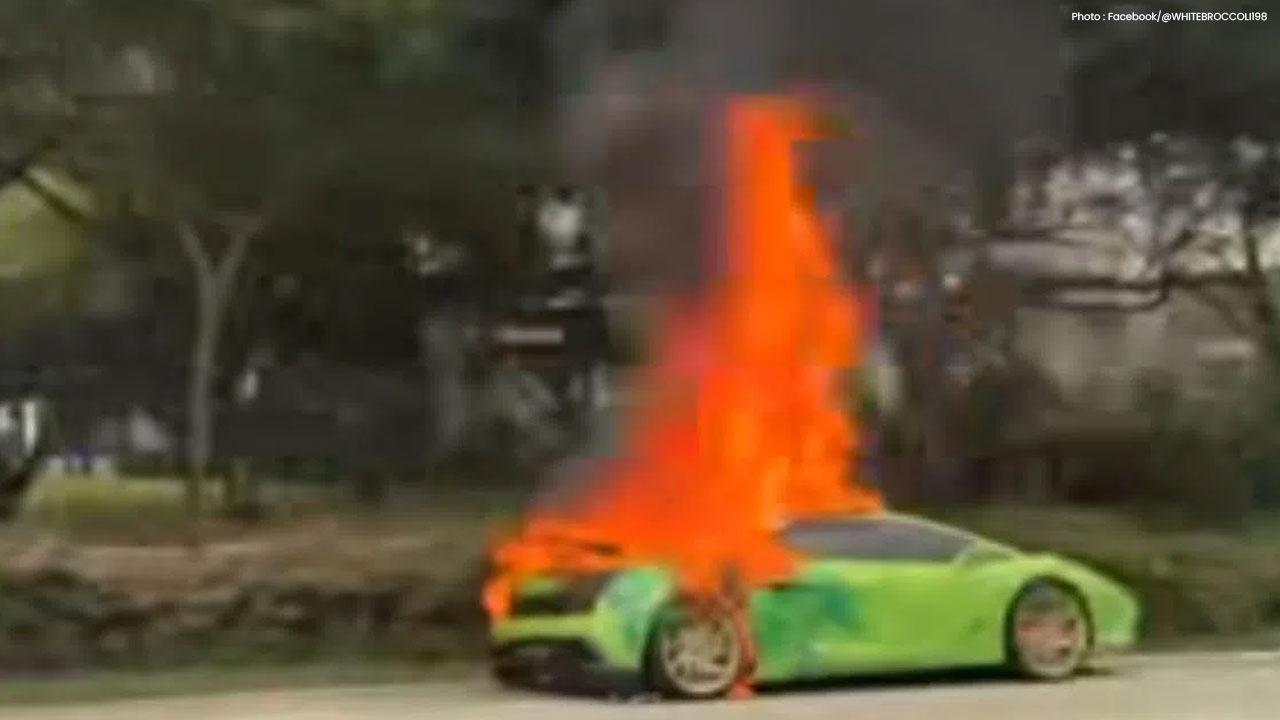
Lamborghini Catches Fire on Singapore's ECP, Causing Heavy Traffic
A Lamborghini caught fire on Singapore's ECP, causing heavy traffic and bus delays. No injuries were

Bangkok Airport Duty-Free Area Flooded by Pipe Burst
A burst water pipe flooded the duty-free shopping area at Bangkok's Suvarnabhumi Airport on July 16,
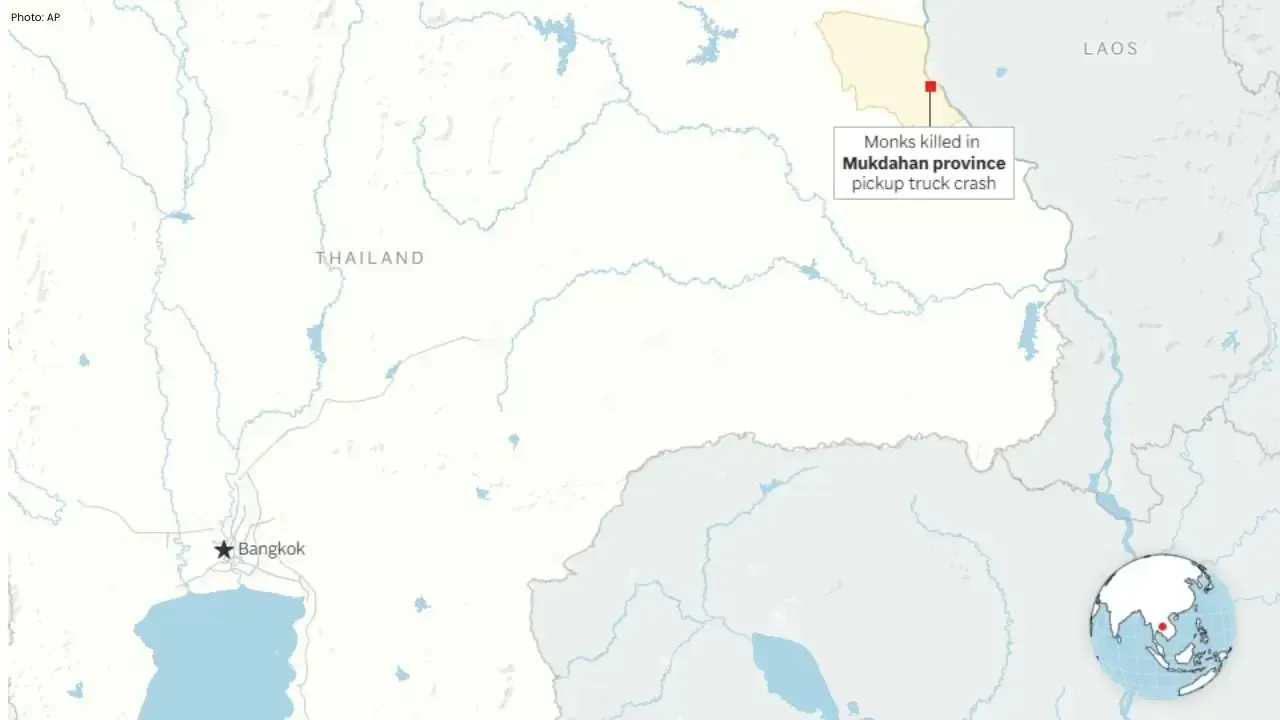
Nine Monks Killed in Thailand Pickup Truck Tragedy
An 11-year-old boy driving a pickup truck crashed into monks during a pilgrimage in northeastern Tha