You have not yet added any article to your bookmarks!
Join 10k+ people to get notified about new posts, news and tips.
Do not worry we don't spam!
Post by : Saif Rahman
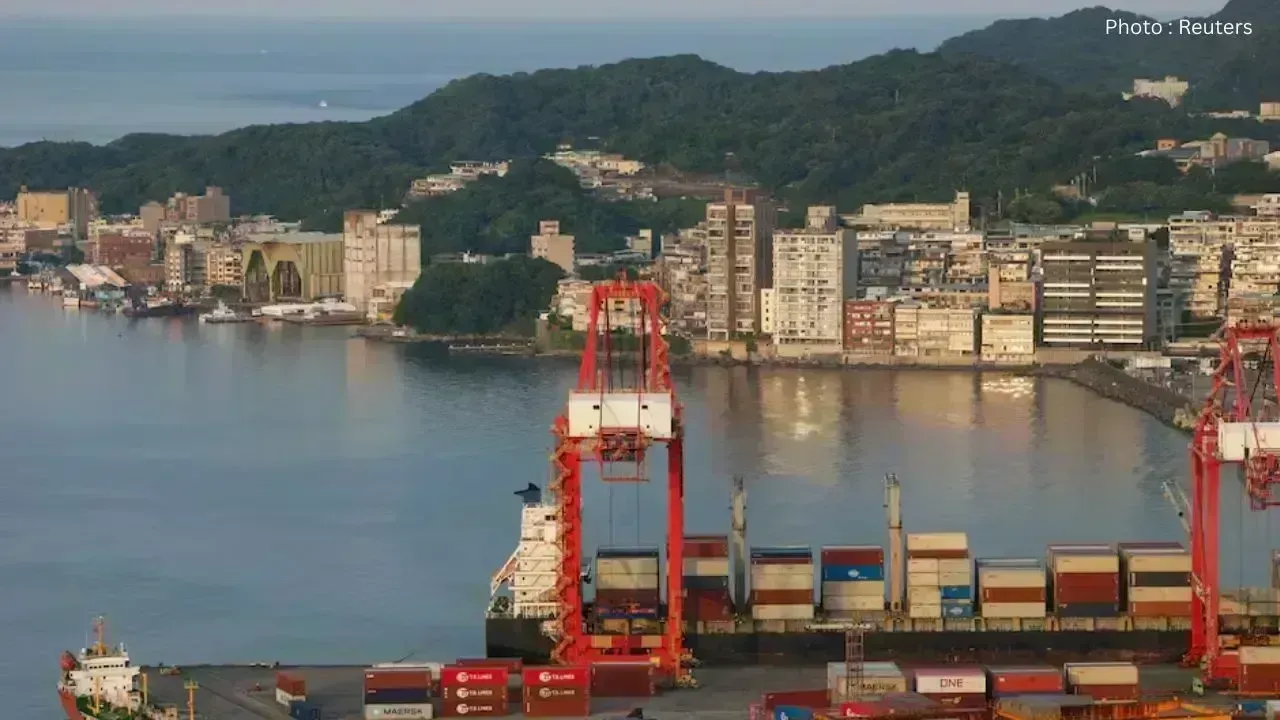
Taiwan has expressed optimism about an imminent tariff agreement with the United States, as its trade delegation heads to Washington for a sixth round of negotiations. The goal is to lower tariffs on Taiwanese exports, improve the trade balance, and foster cooperation in semiconductors and the global AI supply chain.
The focus of the discussions is to cut certain export tariffs from 20% to 15%, with both parties expected to announce key agreements following the talks. Once consensus is achieved, Taiwan will arrange for a formal signing with the U.S. Trade Representative, along with a parliamentary review of the deal.
Vice Premier Cheng Li-chiun, alongside trade envoy Yang Jen-ni, is leading Taiwan's delegation in meetings with U.S. officials to iron out the details. While there is a sense of optimism, spokesperson Benjamin Hsu reminded that final results depend on mutual agreement, with a possible announcement anticipated by the end of January.
As a leading player in semiconductor production, Taiwan's proposal includes assisting the U.S. in replicating its tech clusters within science parks. Additionally, TSMC is reportedly considering expanding its chip production capacity in Arizona, complementing its already pledged $165 billion investment in the U.S. However, TSMC has yet to confirm any new commitments.
Currently, Taiwan's semiconductor exports are unaffected by existing U.S. tariffs. Nonetheless, the White House has recently enacted a 25% tariff on certain AI chips, such as Nvidia's H200 processors, based on national security concerns. Taiwan has reiterated that prior agreements offer preferential tariff treatment for semiconductors and aims to broaden these terms under the new deal.
A successful tariff agreement would be advantageous for both nations: Taiwan would experience reduced export costs, bolstering its technology sector, while the United States would gain further semiconductor production and expertise domestically. Experts view this deal as a means to strengthen U.S.-Taiwan relations and stabilize the global technology supply chain.
The ongoing talks underscore Taiwan’s pivotal role in the semiconductor and AI markets. A formal agreement could invigorate trade, stimulate investment, and enhance Taiwan’s standing in global technology sectors.







George Russell Wins Dutch GP Sprint, Boosts Mercedes Morale
George Russell wins the Dutch GP Sprint from pole as Mercedes teammate Kimi Antonelli extends his F1

Australia 50/3 After Bangladesh Bowled Out for 64 in Second Test
Australia reached 50/3 after Bangladesh were bowled out for 64 in the second Test, with Mitchell Sta

Jordan Burroughs Returns to Wrestling with 2028 Olympic Dream
Jordan Burroughs returns to wrestling with Real American Freestyle as the Olympic champion eyes a po

Lamborghini Catches Fire on Singapore's ECP, Causing Heavy Traffic
A Lamborghini caught fire on Singapore's ECP, causing heavy traffic and bus delays. No injuries were

Bangkok Airport Duty-Free Area Flooded by Pipe Burst
A burst water pipe flooded the duty-free shopping area at Bangkok's Suvarnabhumi Airport on July 16,
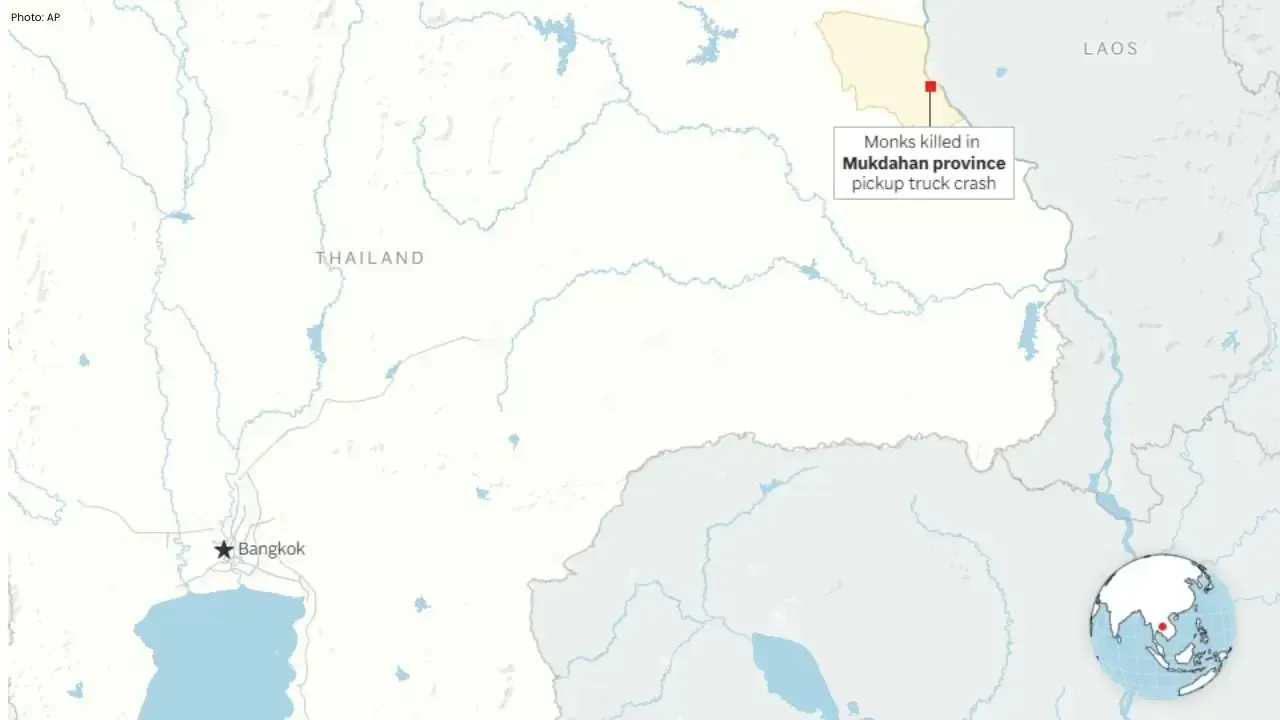
Nine Monks Killed in Thailand Pickup Truck Tragedy
An 11-year-old boy driving a pickup truck crashed into monks during a pilgrimage in northeastern Tha