
You have not yet added any article to your bookmarks!
Join 10k+ people to get notified about new posts, news and tips.
Do not worry we don't spam!
Post by : Saif Rahman
The conflict in Iran significantly influences global shipping and trade landscapes. While creating notable disruptions in major sea routes, this situation has paradoxically resulted in increased profits for European logistics firms, underscoring how global crises can have layered effects on different industries.
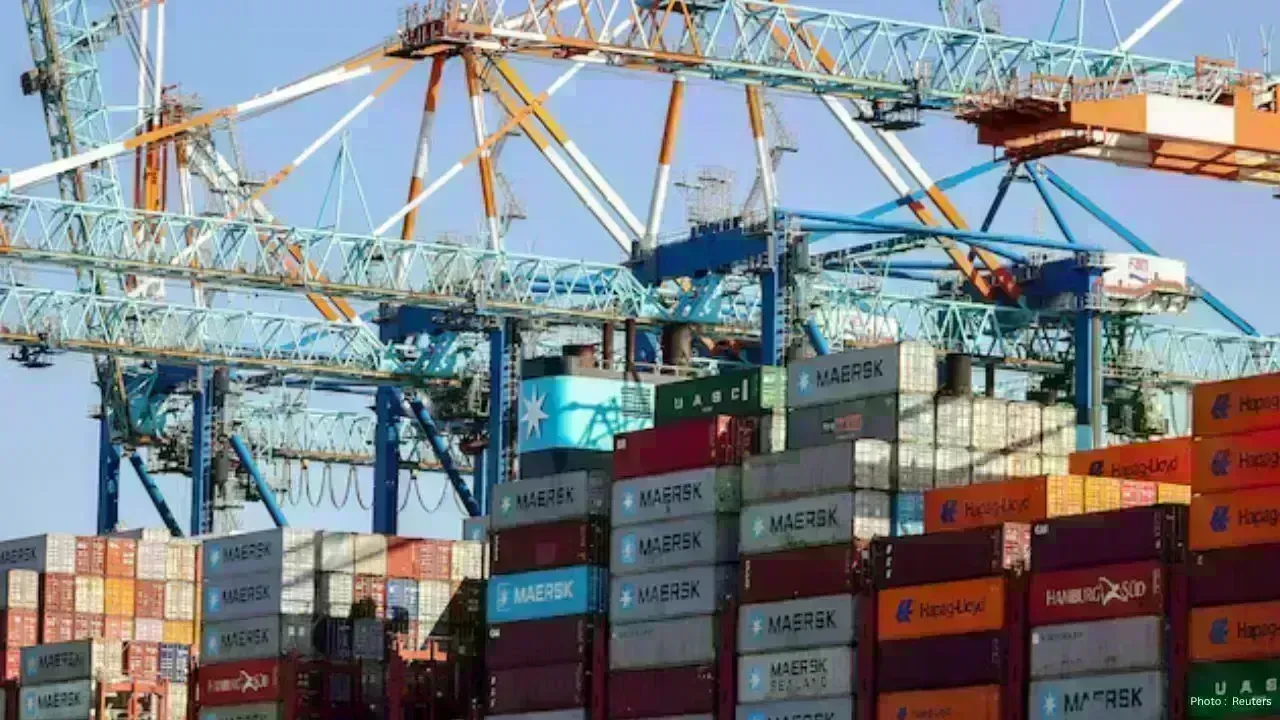
Amid rising tensions, particularly around vital oil and trade paths, shipping companies are adapting by rerouting their vessels. Numerous ships are steering clear of perilous areas, causing longer voyages. These extended routes lead to increased fuel consumption, longer durations, and higher overall shipping costs, consequently driving up freight rates and enhancing profit margins for logistics companies.
This upheaval in shipping paths has also led numerous businesses to pivot from maritime to air freight, which, while faster, incurs far greater expenses. The mounting demand for speedier deliveries has led to a hike in air cargo prices, further straining global supply chains and elevating overall product costs.
While European logistics firms are experiencing a financial boost, myriad other sectors are grappling with hurdles. Companies are facing delays, unpredictable delivery timelines, and escalating costs, complicating operational management and future planning. Often, these heightened expenses are transferred to consumers, resulting in escalating market prices.
The Iran conflict has also placed pressures on global oil supplies, a crucial factor in transportation expenses. Rising oil prices translate to increased shipping and production costs, instigating a ripple effect across several industries and economies worldwide.
Though logistics companies in Europe currently thrive on increased shipping rates, analysts caution that this scenario might not hold in the long run. Prolonged conflict could hinder global trade, ultimately diminishing demand for goods, which would impact transport services and logistics firms adversely.
This context underscores the crucial need for stable trade routes and amicable international relations. The global economy hinges on efficient and reliable goods movement, and any disruptions—especially in pivotal regions—can have far-reaching ramifications.
The surge in profits for European logistics symbolizes the escalating demands and increased expenses within the shipping sector during this crisis, hinting at the fragility of global trade systems amid conflict. Maintaining stability in key areas is critical for restoring equilibrium and fostering sustainable economic development.










PM Modi Pays Tribute to Mahatma Gandhi, Urges People to Support Khadi
PM Modi pays tribute to Mahatma Gandhi on Gandhi Jayanti and urges citizens to support Khadi and the

Amazon Seeks to Offload $8 Billion in Nvidia Chips to Investors
Amazon plans to move $8 billion in Nvidia chips to investors, using a new financing model to strengt

Samsung Raises Galaxy S26 Prices as Memory Chip Costs Rise
Samsung raises Galaxy S26 prices in South Korea as rising memory chip costs put pressure on smartpho

Lewis Hamilton Calls Singapore Grand Prix One of F1's Toughest Races
Lewis Hamilton discusses the demanding Singapore Grand Prix and brings Plus44 and Almave to Singapor

Denmark's Pandora Opens World's Largest Jewellery Factory in Vietnam
Pandora opens its largest jewellery factory in Vietnam, expanding global production, strengthening s

Gautam Gambhir Questions Batting-Friendly Pitches After India's Record ODI Chase
Gautam Gambhir questions batting-friendly ODI pitches after India’s record chase, calling for a bett

