
You have not yet added any article to your bookmarks!
Join 10k+ people to get notified about new posts, news and tips.
Do not worry we don't spam!
Post by : Shakul
The United Nations has expressed serious concern over a new law introduced by Afghanistan’s Taliban government that critics say could allow child marriage and further weaken the rights of women and girls across the country.
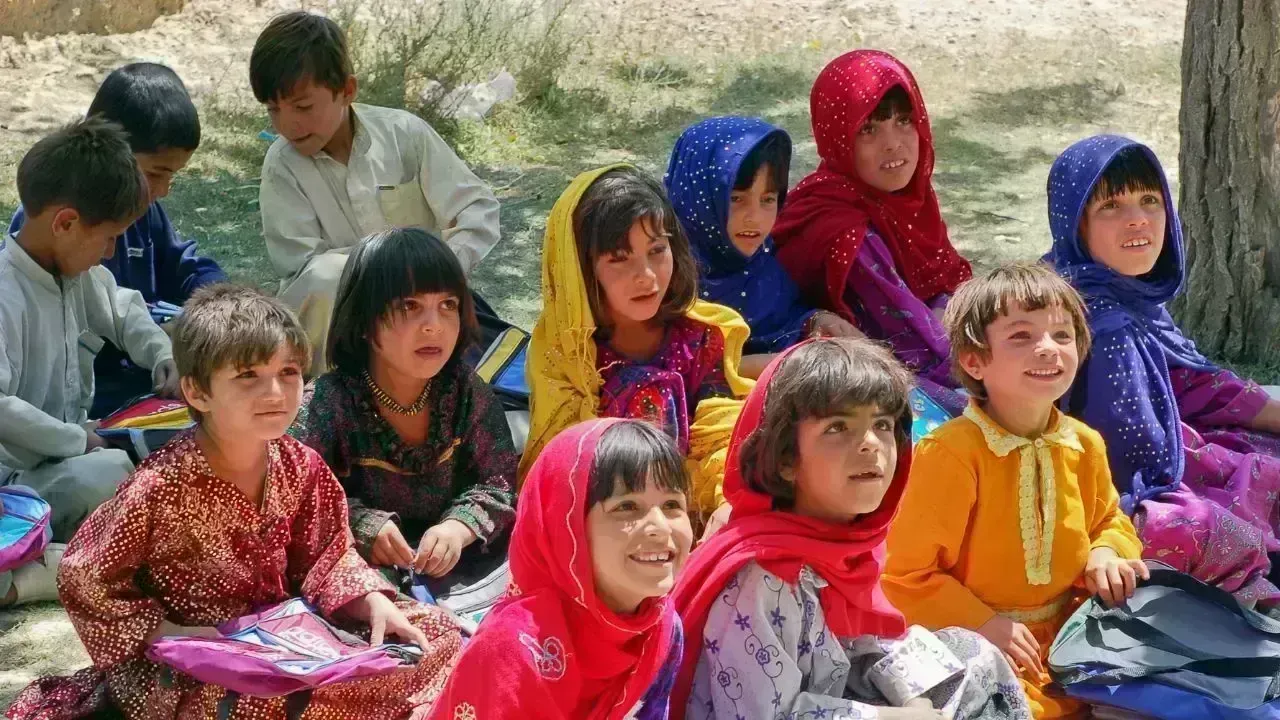
The controversial decree, known as Decree No. 18, was published by Afghanistan’s justice ministry and outlines rules regarding marital separation and family disputes. Human rights organisations and UN officials believe several sections of the law indirectly permit child marriage by treating silence from girls who reach puberty as consent for marriage.
The United Nations Assistance Mission in Afghanistan said the decree raises alarming questions about free consent and the protection of children. According to UN officials, the law reflects a growing pattern of restrictions targeting Afghan women and girls since the Taliban returned to power in 2021.
The decree also outlines conditions under which girls married at a young age may request cancellation of marriage contracts after reaching puberty. However, critics argue the legal process remains heavily unequal because men still retain greater authority in divorce and separation matters.
Women seeking separation reportedly face strict judicial procedures and limited legal support. The law states that if a husband denies a woman’s request for divorce, his statement may be accepted as valid in certain situations, making it harder for women to secure legal protection.
The Taliban government rejected the criticism and defended the decree as being based on Islamic principles. Taliban spokesperson Zabihullah Mujahid stated that Afghanistan already prohibits forced marriage and claimed authorities had investigated thousands of such cases over the past year.
The issue has once again drawn international attention to the condition of women in Afghanistan. Since taking control of the country, the Taliban administration has imposed several restrictions on women, including bans on secondary education, universities, many forms of employment and public recreational spaces.
UN officials warned that continued restrictions on women’s education and participation in society could deepen poverty and weaken Afghanistan’s long-term development. Human rights groups have also urged the international community to continue pressuring the Taliban to protect basic freedoms for women and children.
The latest decree has sparked renewed debate globally over gender equality, child protection and legal rights in Afghanistan under Taliban rule.










PM Modi Pays Tribute to Mahatma Gandhi, Urges People to Support Khadi
PM Modi pays tribute to Mahatma Gandhi on Gandhi Jayanti and urges citizens to support Khadi and the

Amazon Seeks to Offload $8 Billion in Nvidia Chips to Investors
Amazon plans to move $8 billion in Nvidia chips to investors, using a new financing model to strengt

Samsung Raises Galaxy S26 Prices as Memory Chip Costs Rise
Samsung raises Galaxy S26 prices in South Korea as rising memory chip costs put pressure on smartpho

Lewis Hamilton Calls Singapore Grand Prix One of F1's Toughest Races
Lewis Hamilton discusses the demanding Singapore Grand Prix and brings Plus44 and Almave to Singapor

Denmark's Pandora Opens World's Largest Jewellery Factory in Vietnam
Pandora opens its largest jewellery factory in Vietnam, expanding global production, strengthening s

Gautam Gambhir Questions Batting-Friendly Pitches After India's Record ODI Chase
Gautam Gambhir questions batting-friendly ODI pitches after India’s record chase, calling for a bett

