You have not yet added any article to your bookmarks!
Join 10k+ people to get notified about new posts, news and tips.
Do not worry we don't spam!
Post by : Saif Rahman
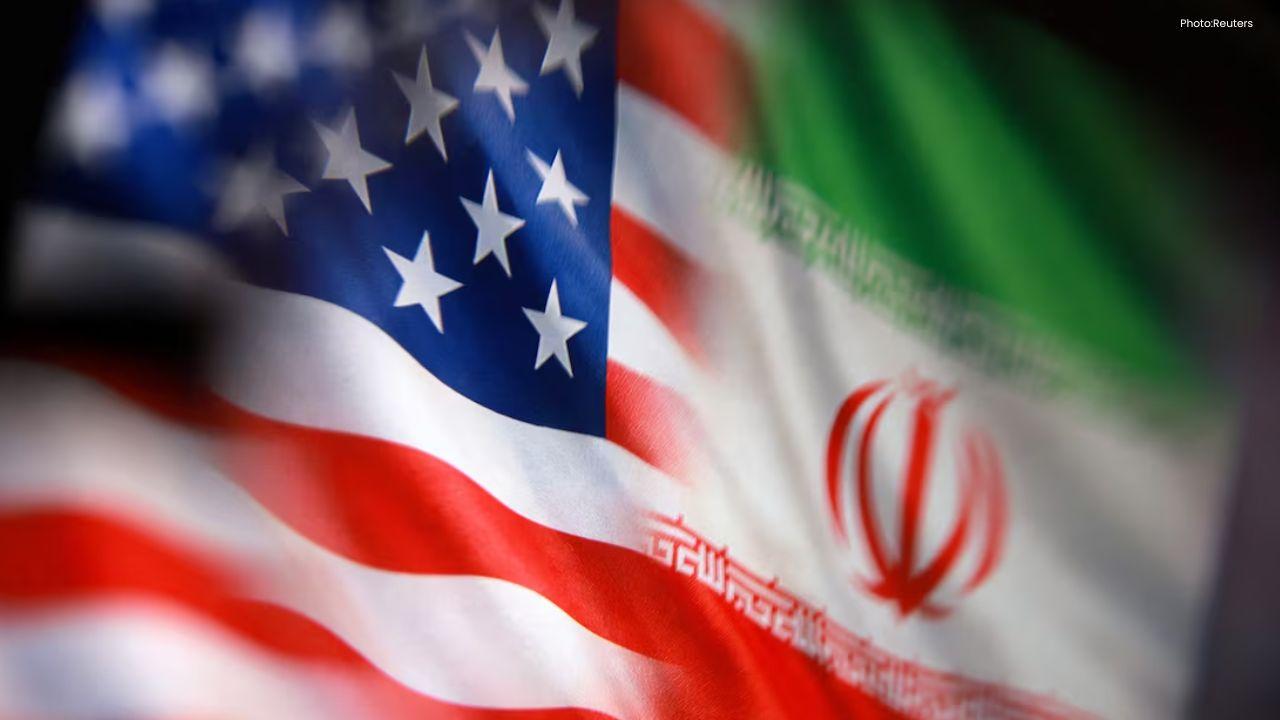
Iran is currently facing a wave of unrest, fueled by economic hardship and long-standing dissatisfaction. Amid this chaos, many citizens are keeping a close eye on the recent U.S. military action in Venezuela. Although the raid occurred thousands of miles away, it has significantly influenced Iranian sentiments regarding their own future.
The U.S. has launched a military operation in Venezuela resulting in the capture of President Nicolás Maduro, a staunch ally to Iran. This action has been met with fierce backlash from Iranian officials, who denounce it as unlawful and hazardous. State media has swiftly criticized the U.S., arguing that such moves could jeopardize global stability and breach international norms.
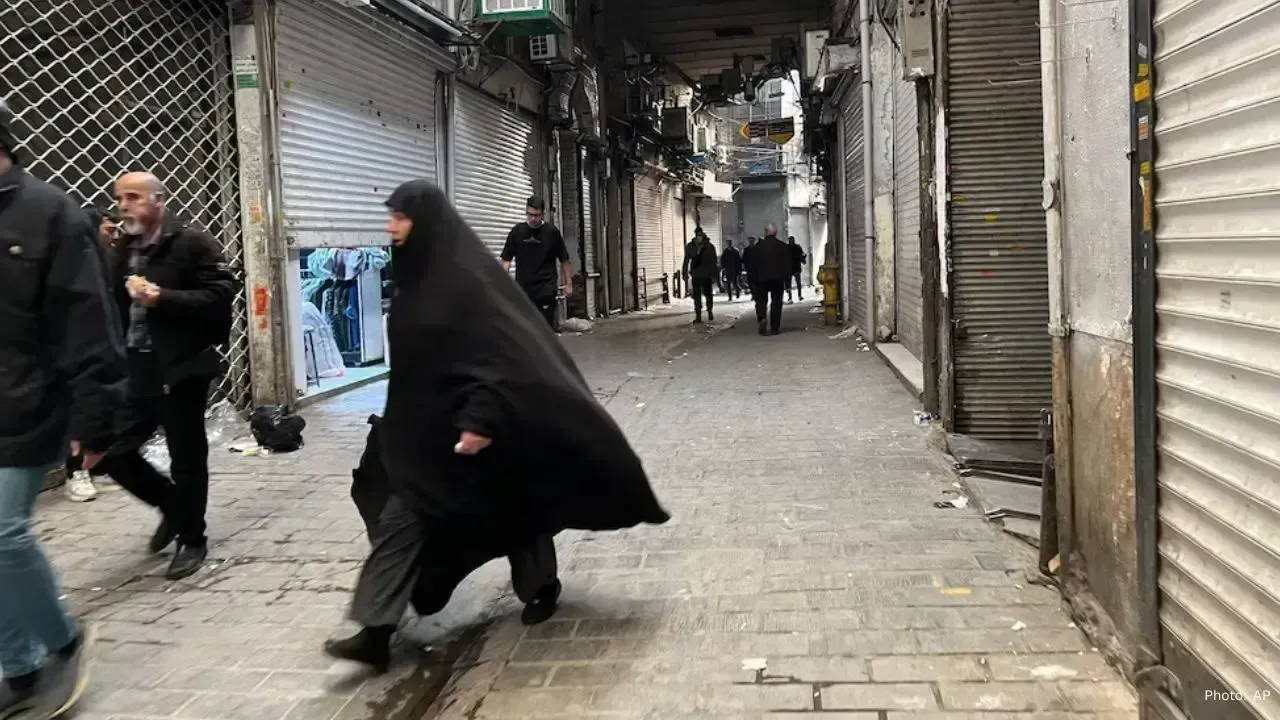
On the ground, everyday Iranians are expressing concerns about the implications of the U.S. intervention. In markets and homes, there's a common thread of anxiety regarding whether such foreign actions might threaten Iran next. This worry is amplified by existing pressures that Iran faces from external forces.
These fears emerge as Iran grapples with significant domestic strife. Protests erupt in cities as citizens confront rising living costs, high unemployment, and a weakening currency. Daily struggles have catalyzed public frustrations, manifesting into protests met with security crackdowns, leading to increased tensions.
The possibility of foreign intervention weighs heavily on this turmoil. Many Iranians recall recent regional conflicts that targeted their military figures and nuclear sites. This has fostered a climate of vulnerability, leading some to believe that Iran's leadership, including the supreme leader, is tightening security protocols in light of these threats.
The government's stance is precarious. While leaders assert that protests are incited by external adversaries, they also strive to project resilience against outside pressures. Public sentiment, however, leans more toward anxiety than assurance, with supporters of the regime themselves harboring doubts about national stability.
Analysts point out that, despite the stark differences between Iran and Venezuela, the psychological ramifications of U.S. actions are palpable. This incident serves as a stark reminder to Iranians about the far-reaching impacts of global affairs on their lives, swaying their thoughts, protests, and responses to authority.
As domestic dissent continues to rise alongside escalating global tensions, Iran finds itself at a critical juncture. Balancing internal discontent with external anxieties will pose challenges for its leadership in addressing public demands amid a fragile political landscape.
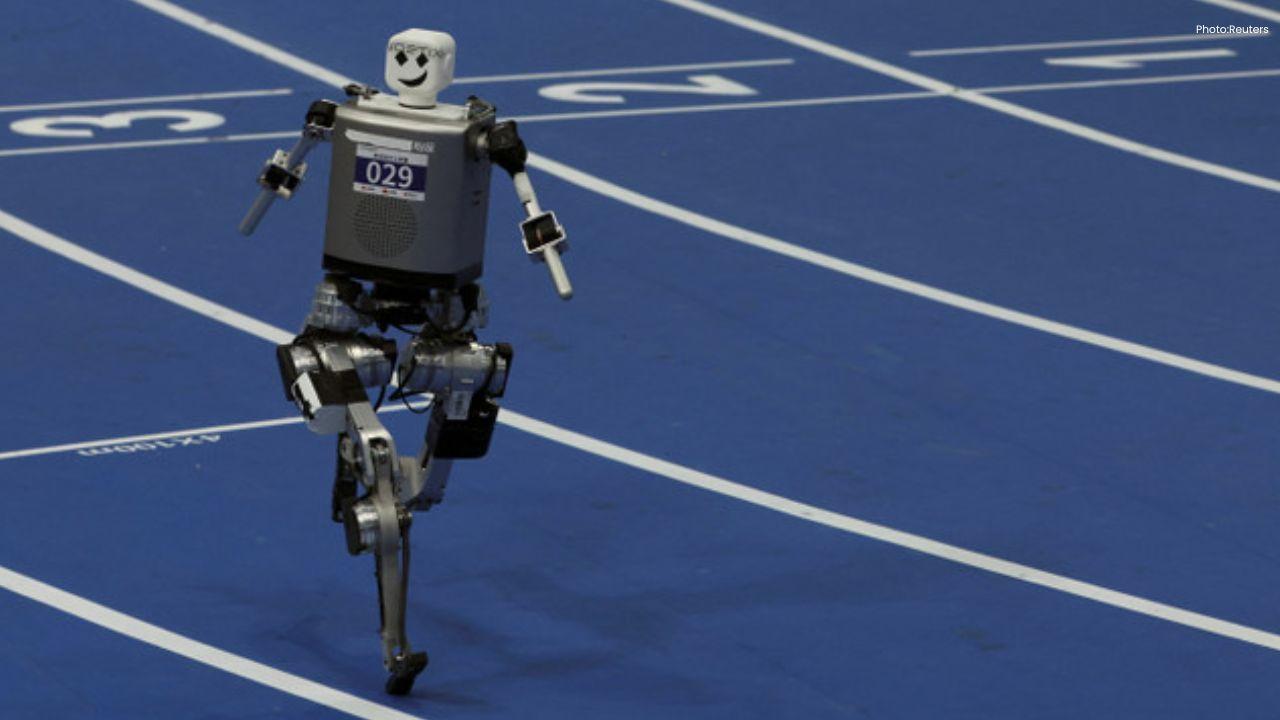


China’s Tiangong Sets New 400m Record at Robot Olympics
China’s Tiangong robot sets a new 400m record at the Robot Olympics, beating a South African robot i

George Russell Wins Dutch GP Sprint, Boosts Mercedes Morale
George Russell wins the Dutch GP Sprint from pole as Mercedes teammate Kimi Antonelli extends his F1

Australia 50/3 After Bangladesh Bowled Out for 64 in Second Test
Australia reached 50/3 after Bangladesh were bowled out for 64 in the second Test, with Mitchell Sta

Jordan Burroughs Returns to Wrestling with 2028 Olympic Dream
Jordan Burroughs returns to wrestling with Real American Freestyle as the Olympic champion eyes a po
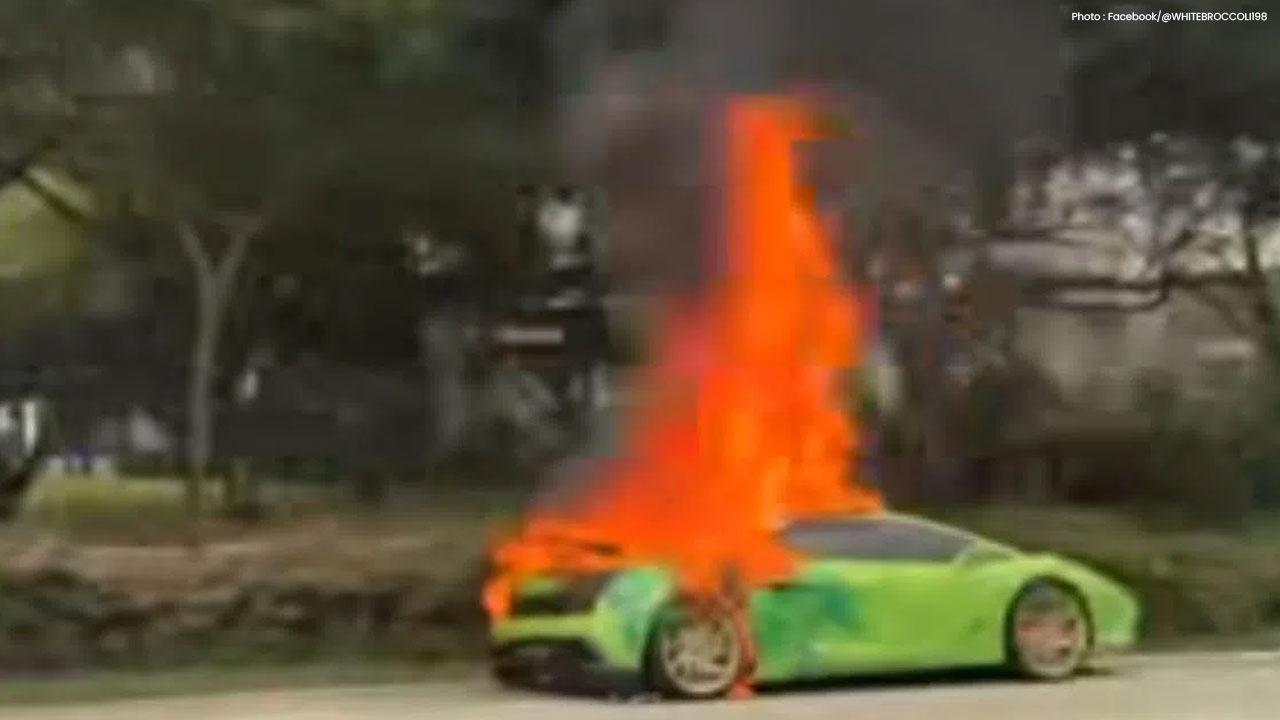
Lamborghini Catches Fire on Singapore's ECP, Causing Heavy Traffic
A Lamborghini caught fire on Singapore's ECP, causing heavy traffic and bus delays. No injuries were
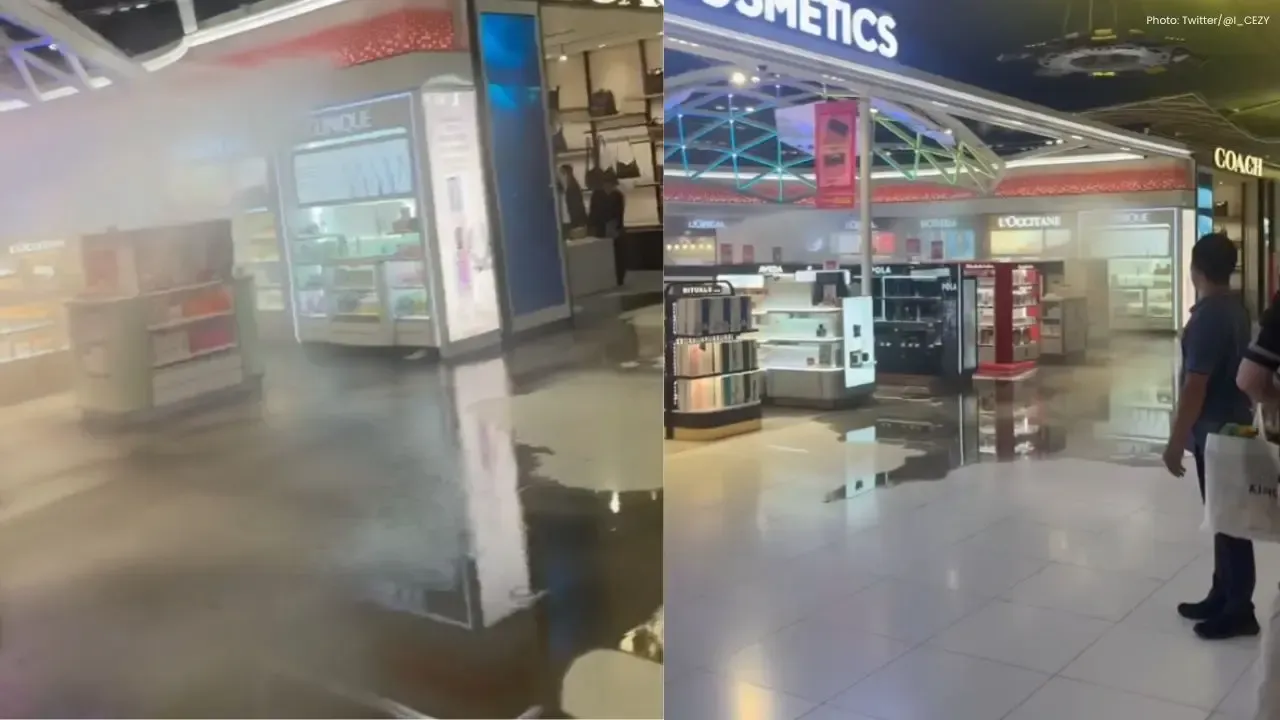
Bangkok Airport Duty-Free Area Flooded by Pipe Burst
A burst water pipe flooded the duty-free shopping area at Bangkok's Suvarnabhumi Airport on July 16,