You have not yet added any article to your bookmarks!
Join 10k+ people to get notified about new posts, news and tips.
Do not worry we don't spam!
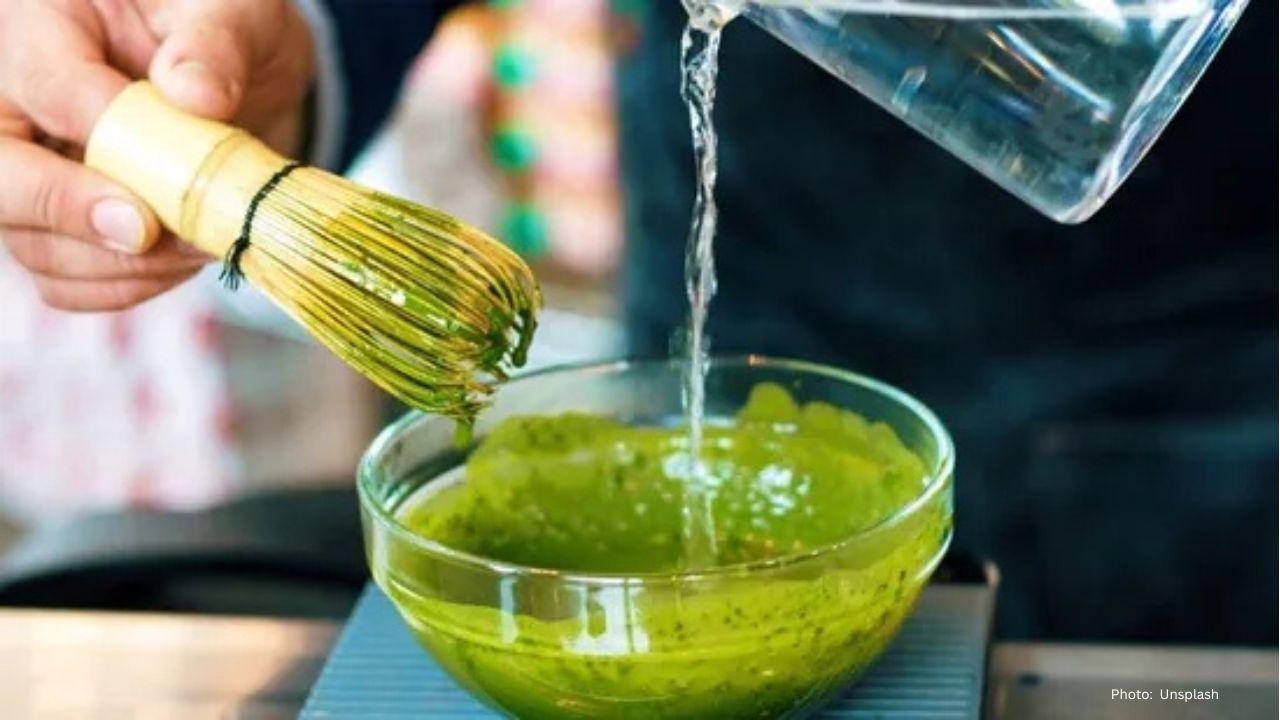
Post by : Saif Rahman
Matcha has surged in popularity online, hailed as a “superfood” due to its rich antioxidant content. Its vibrant green hue, smooth flavor, and calming effects have garnered a dedicated following. However, with this newfound popularity, concerns have emerged: Does matcha lead to iron deficiency?
A growing number of daily matcha drinkers are posing this question. To address these concerns, Dr. Joseph Salhab, a gastroenterologist from Florida, recently provided insights through a comprehensive social media post. He delved into how matcha interacts with the body and offered straightforward advice for maintaining healthy iron levels while still indulging in this beloved beverage.
Dr. Salhab acknowledged matcha’s numerous health benefits but cautioned that excessive consumption or poor timing can hinder iron absorption. He noted that matcha contains polyphenols—strong plant compounds that may interfere with the absorption of non-heme iron, primarily sourced from plant foods like spinach, lentils, beans, and nuts. For those relying heavily on these foods for iron, consuming matcha too close to mealtime can compromise the body's ability to absorb sufficient amounts of this essential mineral.
Nevertheless, Dr. Salhab affirmed that there’s no need to abandon matcha altogether. He proposed simple adjustments for safer consumption. Firstly, refrain from drinking matcha during meals or right after eating; waiting one to two hours allows for optimal iron absorption. Secondly, pairing iron-rich foods with vitamin C sources like oranges, tomatoes, bell peppers, and strawberries can enhance iron absorption from plant-based sources.
Additionally, Dr. Salhab recommended cooking iron-rich plant foods when feasible, as the body tends to absorb iron better from cooked vegetables than raw. For those already facing low iron levels or at risk of deficiency, he advised limiting matcha intake to one cup per day and avoiding consumption near meal times.
Lastly, he emphasized the need for regular iron level checks, particularly for women, vegetarians, vegans, and individuals frequently experiencing fatigue or weakness. Early detection can help mitigate severe conditions such as anemia.
While matcha is celebrated for its antioxidant properties, enhanced focus, and gradual caffeine release, Dr. Salhab reminded his audience that moderation is crucial. The drink itself isn't harmful, but attention to timing and quantity is essential. By implementing slight adjustments, people can savor matcha without jeopardizing their health.







Study Warns Using AI for Medical Advice Is ‘Dangerous’ as Users Get Inaccurate Health Guidance
A major new study reveals that artificial intelligence (AI) chatbots and tools may give misleading o

Top Sci-Fi Movies Streaming on Netflix This February: Must-Watch Picks for Genre Fans
A curated news-style guide to the best science fiction films currently available on Netflix in Febru
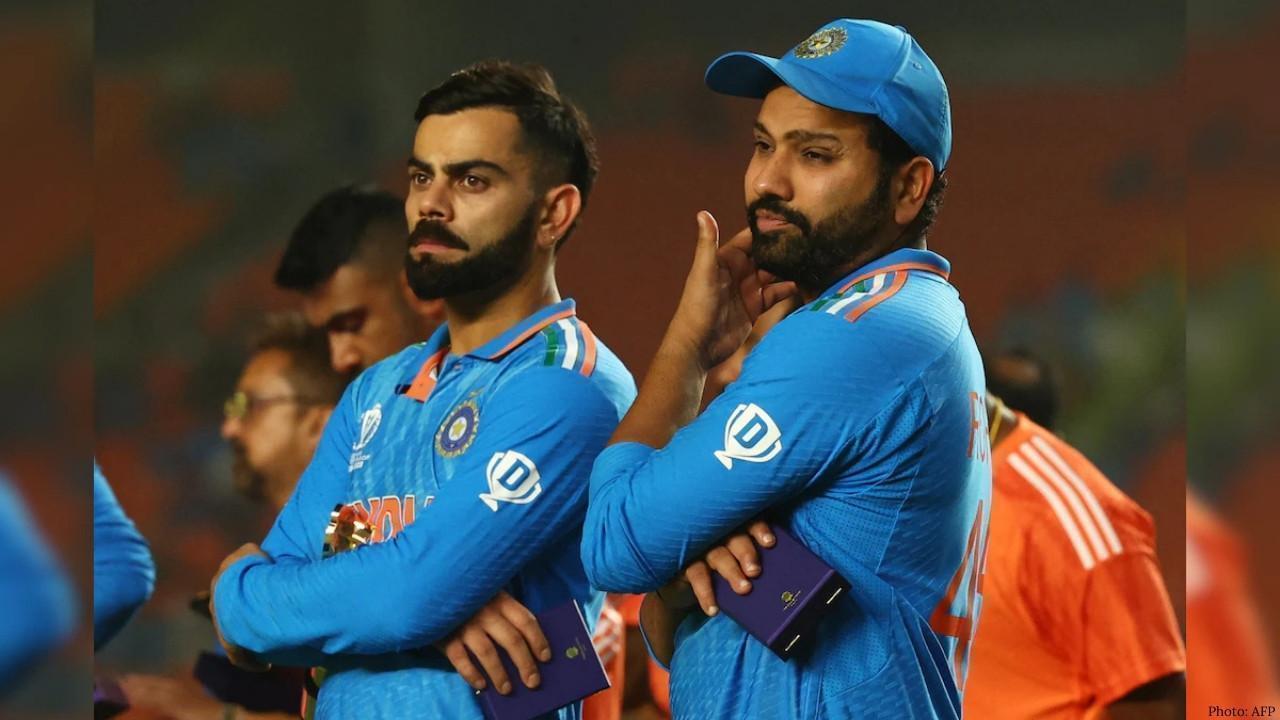
BCCI Central Contracts Shake-Up: Kohli, Rohit Moved to Grade B as Board Reshapes 2025–26 List
Virat Kohli and Rohit Sharma have been placed in Grade B in the BCCI’s 2025–26 central contract list

Dalal Street Spotlight: Top 10 Stocks Investors Are Watching as Markets Open on a High
Indian stock markets begin the week with strong momentum, and several blue-chip and mid-cap stocks a

Market Movers Today: Key Stocks Set To Watch In Indian Markets
Indian equity markets are poised for active trading as several major companies, including Bharti Air

Milan Welcomes the World: Inside the Grand Opening Ceremony of the 2026 Winter Olympics
The 2026 Winter Olympics opening ceremony in Milan marked a defining moment for global sport, blendi