You have not yet added any article to your bookmarks!
Join 10k+ people to get notified about new posts, news and tips.
Do not worry we don't spam!

Post by : Saif Rahman
Italy's burgeoning debt crisis is capturing global attention as diminishing investor confidence threatens the nation's financial integrity. With increasing bond yields and slowing economic growth, PM Giorgia Meloni faces intensified challenges in 2026.
In recent weeks, signals of distress in the Italian bond market have become stark. Traditional buyers of government bonds now expect greater returns, meaning Italy must offer higher interest rates to secure necessary funds. This upsurge in bond yields highlights a growing perception of risk among lenders.
Italy's public debt, currently hovering around 137% of its GDP, contributes to the gravity of the situation. When countries burdened with high debt encounter rising borrowing costs, the management of their economies becomes increasingly fraught. It’s no wonder the impending Italian debt crisis of 2026 is now on the radar of global financiers.
Compounding these issues is the nation’s sluggish economic growth. Insufficient expansion raises concerns about potential slowdowns or recessions. An economy that lags leads to diminished tax revenues, complicating fiscal management and debt reduction.
Global dynamics further amplify the pressure. Increased oil prices and escalating geopolitical tensions—particularly in the Middle East—drive up energy costs, and given Italy's reliance on imports, these surges affect both businesses and households directly. Higher energy prices inevitably contribute to inflation, placing additional strain on the economy.
Political factors are also crucial. Slightly earlier, PM Meloni’s government appeared stable and fiscally responsible, instilling trust among investors. Now, with political upheaval and internal dissensions—her leadership is under scrutiny. Such uncertainty causes swift reactions from investors, which are evident in the current market landscape.
Moreover, the widening gap between Italian bond yields and those of economically sound countries like Germany—often referred to as the spread—has prompted concern. A growing spread signifies that investors perceive Italy as a riskier bet compared to its stronger European counterparts.
In response, the Italian administration has requested the EU to ease its budgetary constraints to enable increased spending amid these adverse conditions. Yet, stringent EU fiscal policies restrict Italy's capacity to ramp up expenditure, hampering the government’s response to stabilize the economy.
Once seen as a trustworthy steward of public funds, the Meloni administration’s waning credibility amidst escalating economic and political challenges poses a significant hurdle. The emergence of “markets losing confidence in Italian debt” is resonating throughout global financial discussions.
Experts caution that even with improvements in global environments, restoring investor confidence may require time; the confluence of high debt, tepid growth, and political instability presents intricate challenges.
This Italian debt crisis underscores the interconnectedness of the global economy, emphasizing that struggles in one nation can ripple across international markets. Consequently, all eyes are on Italy—any significant financial unrest within Europe could have extensive ramifications.
Looking forward, the Italian government’s strategies will be critical. Implementing robust economic policies, engaging in transparent communications, and ensuring political cohesion will be essential to rebuild trust. Failing to take decisive action could lead to spiraling borrowing costs, exacerbating the situation.
Italy stands at a pivotal crossroads. The steps taken in the coming months will critically influence whether the nation can emerge from this crisis or descend into further economic turmoil.
In essence, the 2026 Italian debt crisis transcends mere figures; it represents a narrative of trust, stability, and the prospective path for one of Europe’s key economies.
#Business News #Business Updates #Business & economy #Market Analysis





APEC Members Emphasise Safe and Responsible Use of Artificial Intelligence
APEC members discuss responsible AI use, digital innovation and data governance as China and the US

Union of European Clubs Challenge UEFA and EFC Over EU Competition Rules
UEC files an EU competition complaint against UEFA and EFC, challenging club representation, governa

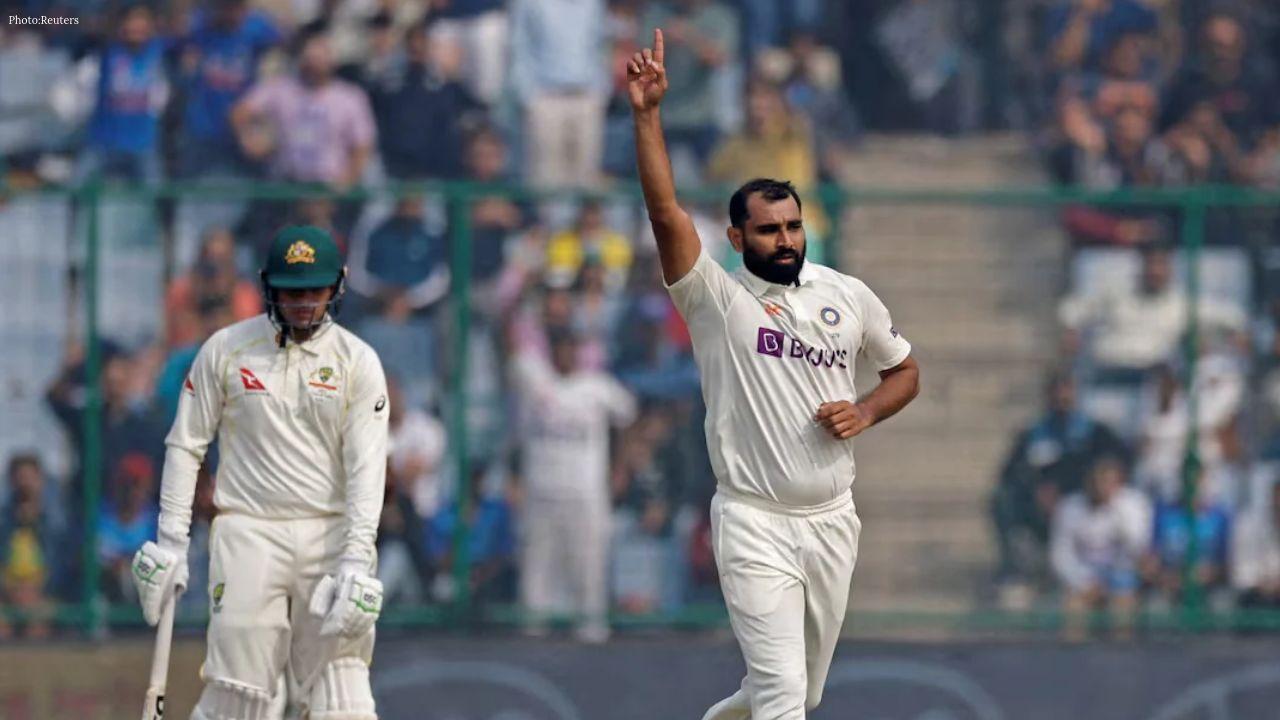
Mohammed Shami Retires From Test Cricket, Eyes White-Ball Career
Mohammed Shami retires from Test cricket after 13 years, with 229 wickets. He will continue playing

Singapore Warns Users About Privacy and Security Risks of AI Agents
Singapore warns users about AI agent security risks, data privacy, online scams and unauthorised acc

Chris Lynn Completes One-Month Ban After Positive Cocaine Test
Australian cricketer Chris Lynn completes a one-month ban after a positive cocaine test during the T

Djokovic Eyes Strong Season Finish as Health Improves Ahead of Paris Masters
Novak Djokovic reports improved health and performance as he targets a strong Paris Masters finish a