You have not yet added any article to your bookmarks!
Join 10k+ people to get notified about new posts, news and tips.
Do not worry we don't spam!
Post by : Rameen Ariff
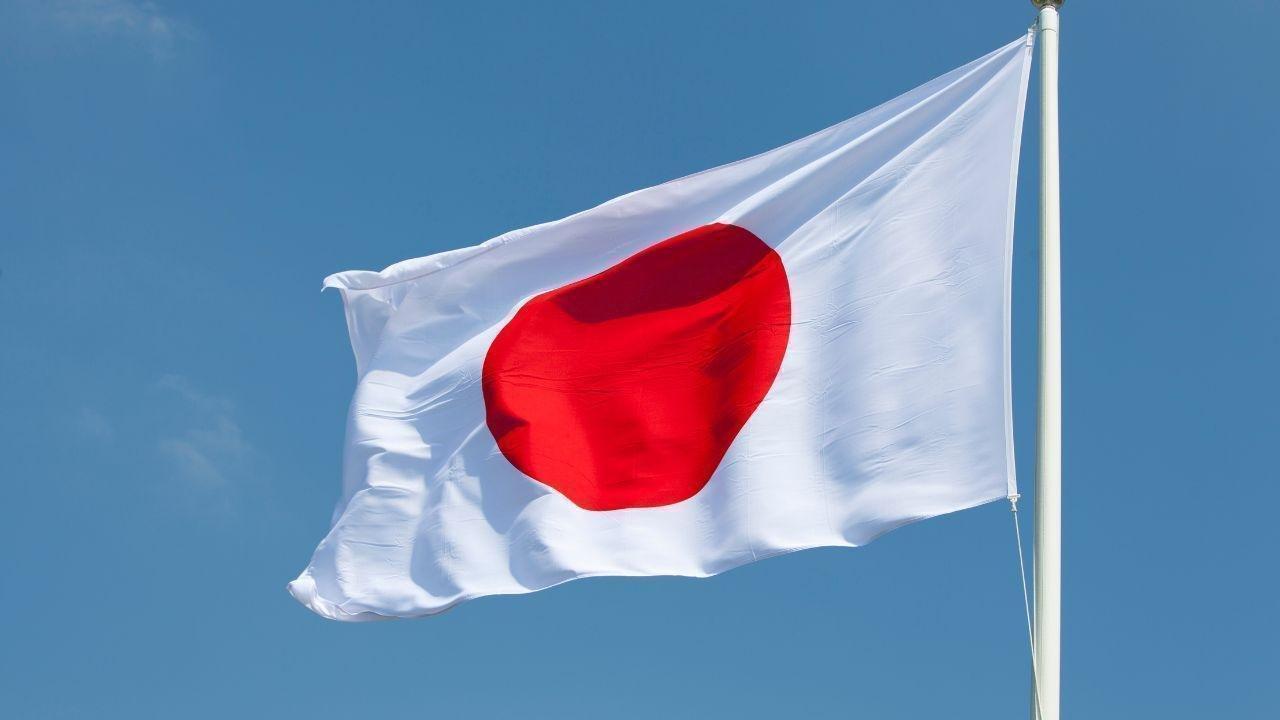
A powerful 6.7 magnitude earthquake struck off the northern coast of Japan on Friday, sending waves of concern across the country as officials issued a fresh Japan tsunami warning for parts of the Pacific shoreline. The Japan earthquake came just days after a stronger 7.5-level tremor hit the same region, injuring more than 50 people and raising fears of further seismic activity.
According to the national weather agency, the Japan earthquake was initially measured at 6.5 but was later upgraded to 6.7 after detailed assessment. Authorities warned that tsunami waves up to one metre could reach several areas along the northern Pacific coastline. Residents living near the shore were urged to stay alert and remain away from beaches and low-lying zones.
The earthquake in Japan occurred around 130 kilometres off the city of Kuji in Iwate prefecture, located on Honshu, the country’s main island. Early reports indicated moderate shaking, though the impact was milder compared to Monday’s larger quake that caused shelves to collapse, cracked roads, shattered windows, and pushed tsunami waves of nearly 70 centimetres toward the shore.
Despite the strong magnitude, Japan’s Nuclear Regulation Authority confirmed that no abnormalities or safety threats were detected at nuclear facilities in the region, bringing relief to residents still haunted by memories of past disasters.
Officials had earlier issued a rare advisory warning that the region could experience another Japan earthquake of similar or greater intensity within a week. This advisory covered the Sanriku coastline and parts of Hokkaido, areas long known for their vulnerability to seismic movements and tsunamis.
The shadow of the 2011 tragedy continues to loom large over the region. That year, a devastating 9.0 magnitude Japan earthquake triggered a massive tsunami, leaving nearly 18,500 people dead or missing and causing widespread destruction that the country remembers with deep sorrow.
Japan’s weather agency has also highlighted concerns regarding the Nankai Trough, an 800-kilometre undersea trench where major tectonic activity has long raised fears of a possible “megaquake.” Government assessments suggest that a major Japan earthquake along the Nankai Trough could result in as many as 298,000 deaths and cause economic losses reaching up to $2 trillion. A similar advisory issued last year led to nationwide panic-buying and large-scale holiday cancellations, reflecting the seriousness with which citizens view such warnings.
Japan sits at the intersection of four major tectonic plates along the Pacific Ring of Fire, making it one of the most earthquake-prone nations in the world. The archipelago, home to about 125 million people, records nearly 1,500 tremors each year. While most are minor, their impact often depends on depth, location and population density.
Friday’s 6.7 magnitude Japan earthquake once again underscored the country’s constant vulnerability to seismic forces and the importance of disaster preparedness. Authorities continue to monitor the Pacific coastline closely and are urging the public to follow safety advisories until all tsunami risks have passed.








Josh Kerr and Jakob Ingebrigtsen Set for 1,500m Rivalry Rematch
Josh Kerr and Jakob Ingebrigtsen will renew their 1,500m rivalry at the Ultimate Championship in Bud

PSG Coach Luis Enrique Urges Players to Step Outside Comfort Zone
PSG coach Luis Enrique says players must leave their comfort zone and keep improving as the club tar

China’s Tiangong Sets New 400m Record at Robot Olympics
China’s Tiangong robot sets a new 400m record at the Robot Olympics, beating a South African robot i

George Russell Wins Dutch GP Sprint, Boosts Mercedes Morale
George Russell wins the Dutch GP Sprint from pole as Mercedes teammate Kimi Antonelli extends his F1
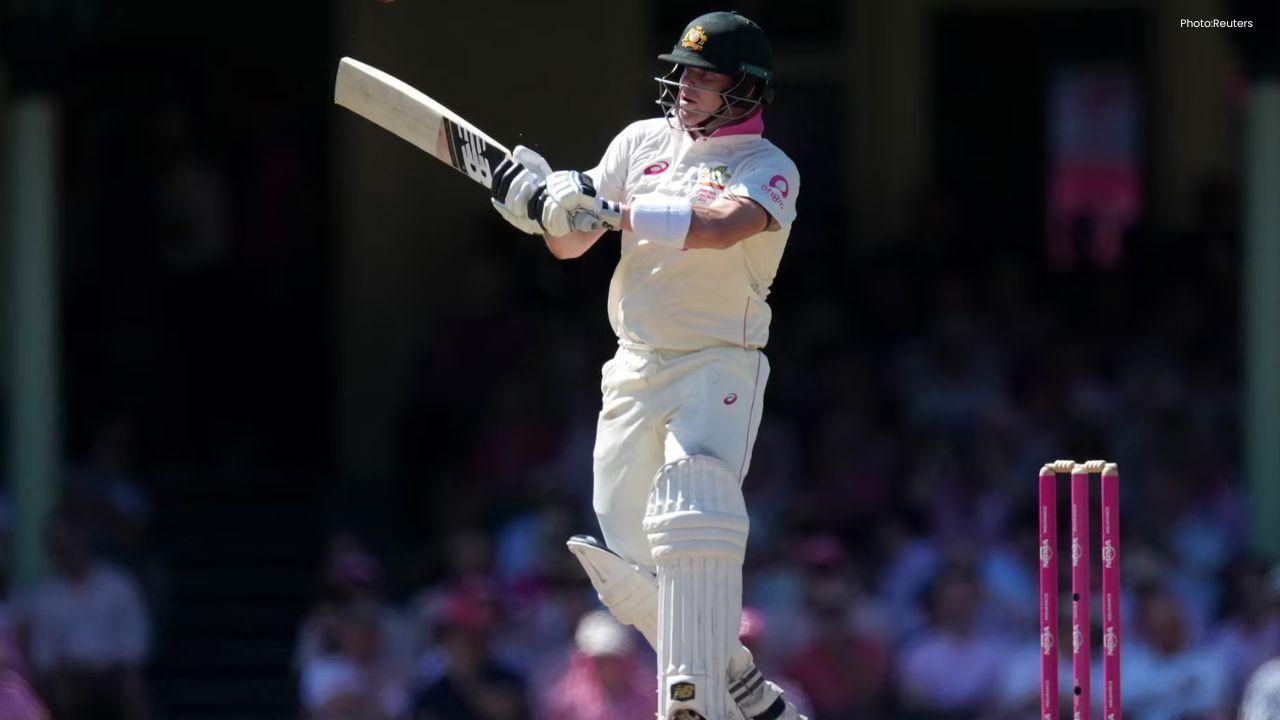
Australia 50/3 After Bangladesh Bowled Out for 64 in Second Test
Australia reached 50/3 after Bangladesh were bowled out for 64 in the second Test, with Mitchell Sta

Jordan Burroughs Returns to Wrestling with 2028 Olympic Dream
Jordan Burroughs returns to wrestling with Real American Freestyle as the Olympic champion eyes a po