
You have not yet added any article to your bookmarks!
Join 10k+ people to get notified about new posts, news and tips.
Do not worry we don't spam!
Post by : Shakul
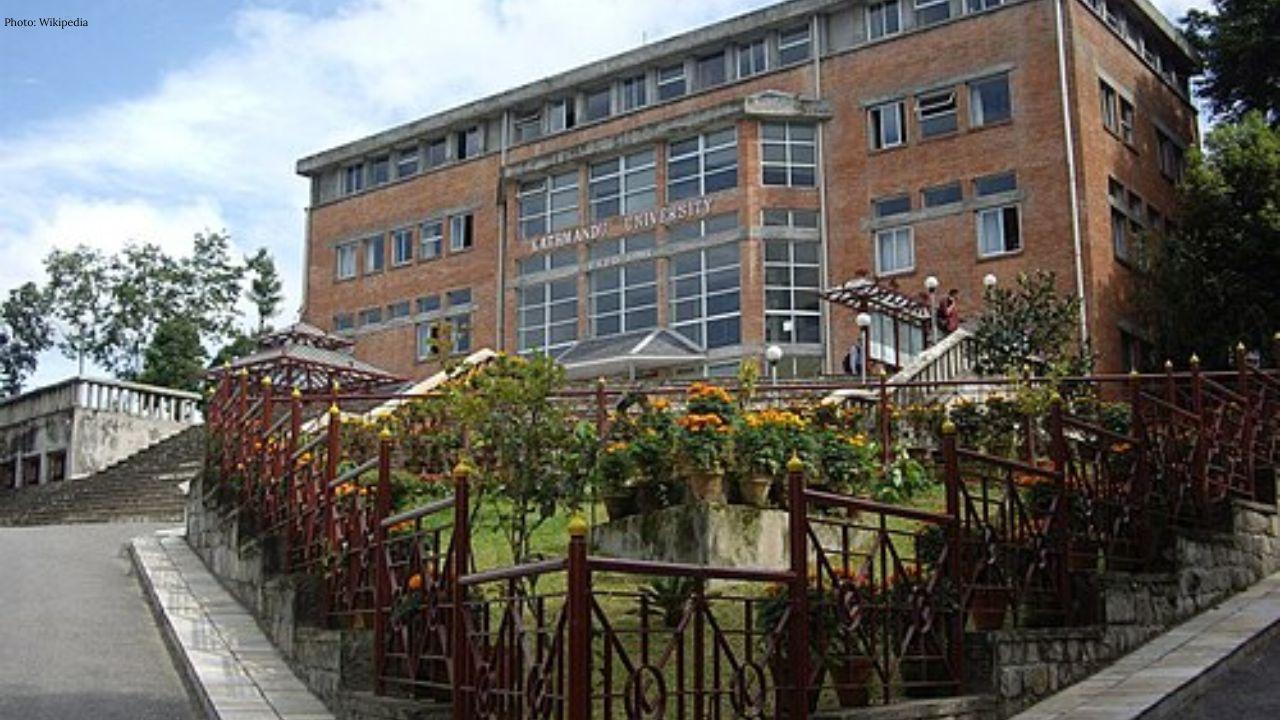
KATHMANDU — Kathmandu University has come under scrutiny after its recent placement in a global ranking sparked widespread debate over the credibility and significance of the result.
According to reports, the university was ranked 122nd among 507 institutions worldwide in the HE Higher Education Rankings conducted by a US-based organisation. The ranking was initially highlighted by state-run Rastriya Samachar Samiti and widely circulated by local media.
Vice-Chancellor Achyut Wagle described the ranking as a “proud moment” for Nepal’s higher education sector, stating that it marked progress towards making the university globally competitive.
However, several experts and observers have questioned both the ranking and the reaction to it. Critics argue that the ranking includes only a limited pool of 507 institutions out of thousands worldwide, making the achievement less significant than portrayed.
Concerns have also been raised regarding the credibility of the ranking body. Well-established global rankings such as Times Higher Education typically feature leading institutions like University of Oxford, Harvard University, Stanford University, and University of Cambridge — none of which appeared in the cited list.
The ranking reportedly placed Sattan Astoni College London at the top, further fueling doubts among analysts about the methodology and credibility of the evaluation.
Academics have also pointed out that the ranking includes a broad mix of institutions, such as colleges, training centres, and smaller institutes, rather than focusing strictly on globally recognised universities.
Uddhab Pyakurel noted that Kathmandu University has recently begun actively participating in ranking platforms by submitting verified data, aiming to better assess its global standing.
Meanwhile, Hemraj Kafle clarified that the university joined the ranking primarily for self-evaluation purposes, adding that participation was free and intended to benchmark internal performance.
According to the organisers, the ranking evaluated 507 institutions from 95 countries using 136 indicators across 25 criteria, focusing largely on emerging institutions in regions such as South Asia, South America, and Eastern Europe.
The controversy has highlighted broader concerns about how global rankings are interpreted and promoted, with experts urging institutions and media to carefully assess methodology, scope, and credibility before presenting such results as major achievements.










PM Modi Pays Tribute to Mahatma Gandhi, Urges People to Support Khadi
PM Modi pays tribute to Mahatma Gandhi on Gandhi Jayanti and urges citizens to support Khadi and the

Amazon Seeks to Offload $8 Billion in Nvidia Chips to Investors
Amazon plans to move $8 billion in Nvidia chips to investors, using a new financing model to strengt

Samsung Raises Galaxy S26 Prices as Memory Chip Costs Rise
Samsung raises Galaxy S26 prices in South Korea as rising memory chip costs put pressure on smartpho

Lewis Hamilton Calls Singapore Grand Prix One of F1's Toughest Races
Lewis Hamilton discusses the demanding Singapore Grand Prix and brings Plus44 and Almave to Singapor

Denmark's Pandora Opens World's Largest Jewellery Factory in Vietnam
Pandora opens its largest jewellery factory in Vietnam, expanding global production, strengthening s

Gautam Gambhir Questions Batting-Friendly Pitches After India's Record ODI Chase
Gautam Gambhir questions batting-friendly ODI pitches after India’s record chase, calling for a bett

