You have not yet added any article to your bookmarks!
Join 10k+ people to get notified about new posts, news and tips.
Do not worry we don't spam!
Post by : Rohit Dhiman
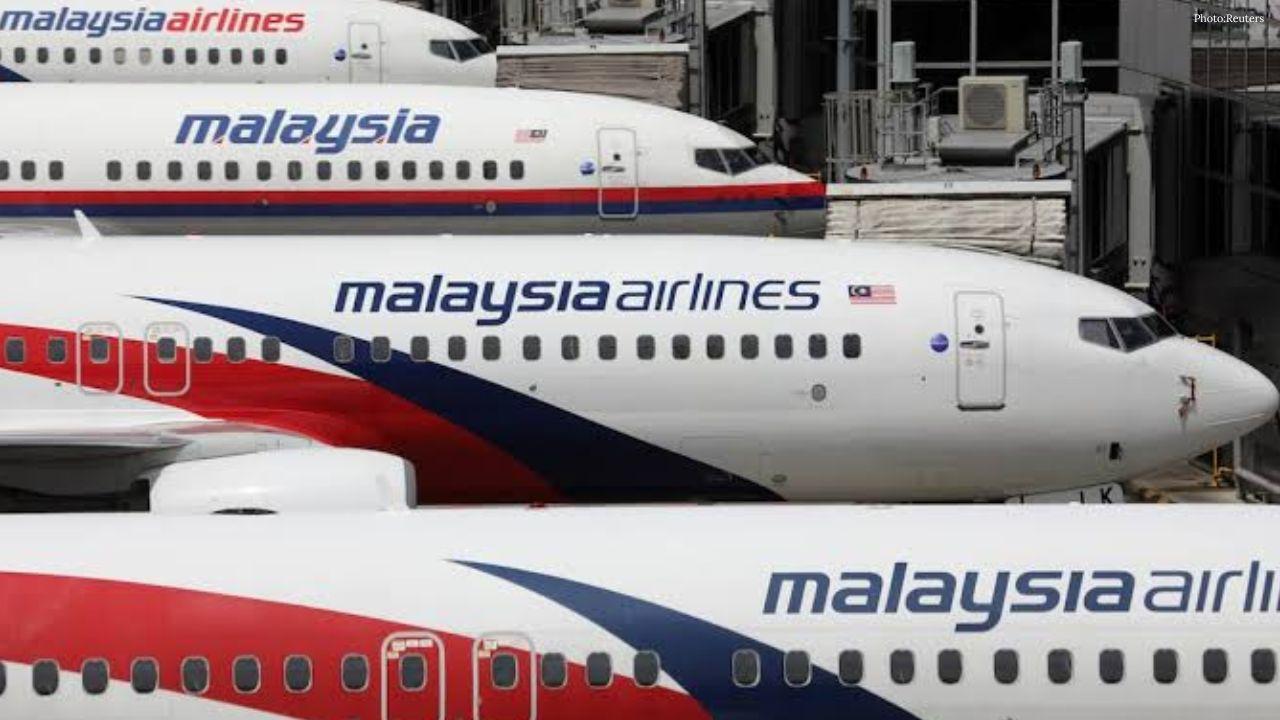
Malaysia Airlines has restarted its direct service between Kuala Lumpur and Fukuoka, reopening an important air link between Malaysia and Japan’s Kyushu region. The return of the route gives travellers a convenient nonstop option between the two cities while strengthening the airline’s wider Japan travel network. The revived Kuala Lumpur-Fukuoka connection is currently the airline’s only nonstop service between the Malaysian capital and Fukuoka. The route is expected to support leisure travel, business movement and wider tourism links between Malaysia and Japan. The service returned with flight MH56 on September 2, 2026. The aircraft left Kuala Lumpur International Airport Terminal 1 at 11:45 PM and reached Fukuoka International Airport at 7:05 AM on September 3. The flight was operated with a Boeing 737-8. The first operation recorded an 88 per cent load factor, while the return flight on September 3 achieved a 90 per cent load factor. The strong initial occupancy indicates healthy demand for the reinstated route.
The Kuala Lumpur-Fukuoka route has particular significance for Malaysia Airlines because the carrier is returning to the destination after a long absence. The airline previously operated services to Fukuoka before ending the route in 2006. Its return reflects the changing demand for travel between Southeast Asia and Japan. Fukuoka is an important gateway to Kyushu, while Kuala Lumpur serves as a major aviation hub for travellers connecting across Southeast Asia and other international markets. The renewed service is therefore expected to create opportunities beyond simple point-to-point travel. Passengers from Japan can use Kuala Lumpur as a connecting point for destinations across Malaysia, ASEAN, South Asia and Australasia.
Fukuoka is one of the most important cities in Kyushu and is widely recognised for its food, culture, shopping and historical attractions. The city is particularly famous for its yatai food stalls, Hakata ramen and traditional shrines. Travellers can also explore parks, coastal areas and cultural attractions around Fukuoka. The city's location makes it a useful starting point for exploring other parts of Kyushu. For Malaysian tourists, the restored service makes travelling to the region more straightforward. Instead of relying on connections through other Japanese airports, passengers can now fly directly from Kuala Lumpur to Fukuoka. The route could also encourage more Japanese visitors to explore Malaysia, supporting the country's broader tourism ambitions under Visit Malaysia 2026.
The early performance of the reinstated route has been encouraging for Malaysia Airlines. The inaugural Kuala Lumpur-Fukuoka flight achieved an 88 per cent load factor, while the return service reached 90 per cent. These figures suggest that there is considerable interest in the renewed Kuala Lumpur-Fukuoka flights. Strong initial demand can be particularly important when an airline brings back a route that has been inactive for many years. The airline is scheduled to operate the service up to five times every week, giving passengers multiple opportunities to plan trips between Malaysia and Japan.
The return of Fukuoka complements Malaysia Airlines' existing operations to Tokyo Narita and Osaka. With the additional service, the carrier's overall Japan schedule rises to 26 flights per week. The expansion provides passengers with more choices when planning a Malaysia Japan flights itinerary. Tokyo offers access to Japan's capital and surrounding regions, Osaka serves the Kansai area, while Fukuoka provides a direct gateway to Kyushu. The broader network also strengthens Kuala Lumpur's position as an important regional hub. Travellers arriving in Malaysia can connect to numerous destinations within Southeast Asia and beyond.
The Fukuoka route also benefits from the existing Joint Business partnership between Malaysia Airlines and Japan Airlines. Under their codeshare arrangement, passengers arriving in Fukuoka can connect with Japan Airlines domestic services to a range of Japanese destinations. These include Amami, Sapporo, Izumo, Kochi, Miyazaki, Kagoshima, Yakushima, Matsuyama and Tokushima. This arrangement expands the practical reach of the Kuala Lumpur-Fukuoka route. Passengers do not necessarily have to end their journey in Fukuoka because they can continue to other parts of Japan using connecting services. Japan Airlines also places its code on Malaysia Airlines-operated flights between Kuala Lumpur and Fukuoka. This provides additional booking possibilities and makes the partnership useful for passengers travelling between the two countries.
The restored route could be particularly valuable for travellers interested in destinations outside Japan's most frequently visited cities. Tokyo and Osaka remain major tourism centres, but Kyushu offers a different travel experience. Fukuoka provides access to regional food, traditional Japanese culture, natural attractions and coastal destinations. With connecting flights available through the Japan Airlines partnership, passengers can potentially combine Fukuoka with other destinations during the same trip. For international travellers, this creates greater flexibility when designing multi-city Japan itineraries.
The importance of the route also extends beyond travel between Malaysia and Japan. Kuala Lumpur is connected to a large number of destinations across Southeast Asia. Passengers arriving from Fukuoka can use Malaysia Airlines' network to continue towards other Malaysian cities as well as destinations across ASEAN, South Asia and Australasia. This gives the restored route a wider role in regional air connectivity. For Japanese travellers, Kuala Lumpur can serve as an intermediate point for reaching destinations that may not have convenient direct connections from Fukuoka.
To mark the return of the service, Malaysia Airlines has introduced promotional offers connected with the MATTA Fair campaign. Eligible bookings made by September 14, 2026, can receive savings of up to 30 per cent under the promotion. Enrich members can receive an additional 5 per cent discount, while eligible Visa payments made through the airline's website or mobile application may qualify for another 5 per cent reduction. The promotional campaign is intended to encourage travellers to take advantage of the newly restored route and explore both Japan and Malaysia. Passengers should check the applicable terms, booking conditions, travel dates and eligibility requirements before making reservations.
The return of the route was marked by special events at both airports. Passengers departing from Kuala Lumpur received a themed welcome inspired by Fukuoka's culture and street-food traditions. Malaysia Airlines also distributed airline merchandise and commemorative Oden-themed plush toys as part of the launch celebrations. The Malaysian side of the event included senior representatives from Malaysia Aviation Group, including Captain Nasaruddin A. Bakar, President and Group Chief Executive Officer, and Bryan Foong, Chief Executive Officer of Airline Business. Japan's Ambassador to Malaysia, Noriyuki Shikata, also attended the Kuala Lumpur event. A special welcome was organised after the aircraft reached Fukuoka. The arriving Boeing 737-8 received a traditional water cannon salute. The arrival ceremony was held in cooperation with Fukuoka International Airport Co., Ltd. and included representatives from Malaysia Aviation Group, the Malaysian diplomatic mission in Japan and the airport operator.
The restoration of direct air services comes at a time when travel between Malaysia and Japan remains an important part of regional tourism and business activity. Direct flights can make international travel easier by reducing the need for passengers to change aircraft at another airport. They can also make short trips more practical for business travellers and tourists. For families, leisure travellers and first-time visitors to Kyushu, the nonstop option could make Fukuoka more accessible from Malaysia. At the same time, Japanese visitors can use Kuala Lumpur as an entry point to Malaysia's tourism destinations and as a connecting hub for other countries in the region.
For Malaysia Airlines, the Fukuoka service is more than the return of an individual route. It forms part of the carrier's broader strategy to strengthen its regional and international network. The airline has been expanding connectivity across East Asia while developing partnerships that allow passengers to travel beyond its own directly operated destinations. The combination of direct flights and codeshare connections can give Malaysia Airlines greater reach without requiring every destination to be served by its own aircraft. The Fukuoka route therefore adds another strategic destination to the airline's Japan network while improving access to Kyushu for travellers from Malaysia and other markets.
Improved air connectivity can have benefits beyond passenger convenience. Regular international flights can support tourism businesses, hotels, restaurants, retailers and other sectors that depend on international visitors. Fukuoka and Kyushu can gain from increased visitor traffic from Malaysia, while Malaysia can benefit from greater numbers of Japanese tourists and business travellers. The route may also help strengthen people-to-people connections between the two countries by making travel more accessible and predictable. With services operating up to five times a week, travellers have greater flexibility compared with routes that operate only once or twice weekly.
The restored route connects Kuala Lumpur International Airport in Malaysia with Fukuoka International Airport in Japan. Kuala Lumpur is one of Southeast Asia's major aviation hubs, while Fukuoka is an important gateway to Kyushu. The two airports therefore provide useful connections between Southeast Asia and southwestern Japan. The service also gives international passengers additional possibilities for onward travel through the respective airline networks.
Read Also: 2026 F1 Singapore Grand Prix: Major Road Closures Announced
Yes. Malaysia Airlines has resumed its nonstop Kuala Lumpur-Fukuoka service after a long break from the route.
The reinstated service began with flight MH56, which departed Kuala Lumpur on September 2, 2026, and arrived in Fukuoka on September 3.
The Kuala Lumpur-Fukuoka service is scheduled to operate up to five times per week.
The inaugural service was operated using a Boeing 737-8 aircraft.
Passengers travelling through Fukuoka can access Japan Airlines-operated domestic connections to several Japanese destinations under the codeshare arrangement.
The partnership provides connections to destinations including Amami, Sapporo, Izumo, Kochi, Miyazaki, Kagoshima, Yakushima, Matsuyama and Tokushima.
With Fukuoka added to the network alongside Tokyo Narita and Osaka, Malaysia Airlines' Japan frequency has increased to 26 flights per week.
The route improves Japan travel connectivity, gives Malaysian travellers direct access to Kyushu and provides Japanese passengers with convenient connections through Kuala Lumpur.










MotoGP Qatar GP to Proceed Despite Regional Tensions and Safety Fears
MotoGP Qatar GP is scheduled for November 6-8 despite regional tensions, as Alex Marquez questions s

Fiji Appeals to Mark Nawaqanitawase’s Pride Ahead of Rugby World Cup
Fiji hopes Mark Nawaqanitawase will choose his ancestral homeland over Australia as the 2027 Rugby W

OpenAI and Poland’s NASK Team Up to Improve AI Safety
OpenAI and Poland’s NASK will research AI safety, security risks and stronger safeguards as concerns

Asian Football Confederation Backs Infantino for FIFA Re-Election
The Asian Football Confederation has backed Gianni Infantino for FIFA re-election, despite earlier o

Tesla Shares Fall 5% as Spending Cuts Raise AI Concerns
Tesla shares drop 5% after cutting its 2026 spending forecast to $20 billion, raising questions abou

Spotify Forecasts Higher Fourth-Quarter Profit on AI Investments
Spotify forecasts fourth-quarter operating income above estimates as AI-powered playlists and person