You have not yet added any article to your bookmarks!
Join 10k+ people to get notified about new posts, news and tips.
Do not worry we don't spam!

Post by : Rohit Dhiman
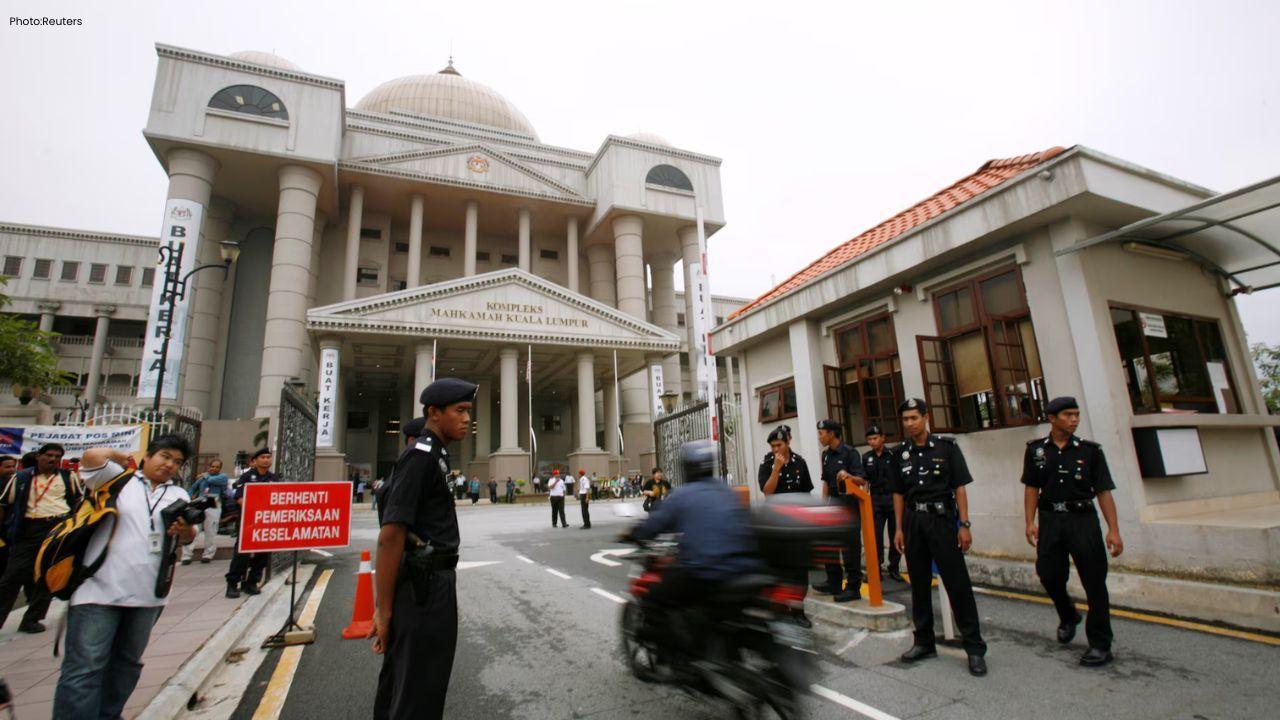
PETALING JAYA: A sessions court in Malaysia has acquitted two construction company owners who were facing charges over alleged open burning at a compound belonging to the Rubber Research Institute of Malaysia in Kota Tinggi. The Pengerang Sessions Court cleared Fazilah Ahmad and Yusof Abdullah after finding that the prosecution had not established that they possessed the necessary authority or control over the premises to legally attribute the alleged burning activity to them. The case relates to an incident reported on July 7, 2023, when several piles of wood and roots from land-clearing work were found at the institute's compound. Some of the material was reportedly still smouldering and producing smoke when environmental authorities investigated the site. The two accused were linked to Syarikat Bina Bahagia Enterprise, a construction company that had been carrying out land-clearing work at one of the building blocks within the institute's compound.
Fazilah and Yusof had been charged under Section 29A(1) of the Environmental Quality Act in connection with the alleged burning. The case centred not only on whether burning had taken place, but also on whether the accused had the legal power or right over the premises to allow such an activity to occur. During the proceedings, the prosecution sought to establish the connection between the construction company and the burning activity found at the site. However, the court ultimately found that the evidence did not demonstrate that the company had exclusive control over the area where the burning was discovered. This distinction became an important factor in the court's decision.
The case originated after residents in the surrounding area lodged complaints regarding smoke and suspected open burning at the compound. Environmental officers subsequently inspected the location and found 10 piles consisting of wood and roots believed to have come from land-clearing activities. Some of the piles were still burning or smouldering during the inspection, with smoke reportedly coming from the material. The discovery prompted enforcement action and eventually resulted in charges being brought against the two owners of Bina Bahagia Enterprise. However, the court had to determine whether the existence of the burning material was sufficient to establish that the accused had allowed the activity to take place.
Judge Hidayatul Syuhada Shamsudin said the prosecution had failed to prove that Bina Bahagia Enterprise exercised the required level of control over the building block and its surrounding compound. According to the court's findings, the company had been granted access to the premises for a period of two years under the terms of its contract. However, that access was subject to restrictions and supervision. People entering and leaving the premises had to register at a guard post, meaning the company did not have unrestricted access or independent control of the entire compound. The court also took into account the role of the Malaysian Rubber Board, which oversees the Rubber Research Institute of Malaysia. An officer appointed by the board was present to monitor the work being carried out by the company.
A central issue in the case was whether the company could legally be considered to have allowed the open burning. The court found that simply having permission to carry out land-clearing work at a particular building block did not automatically mean that the company had full authority over the wider premises. For an offence involving the alleged permission of open burning, the prosecution needed to establish that the accused had the requisite power or right over the location where the burning occurred. The judge concluded that this element had not been sufficiently established. As a result, the court acquitted both Fazilah Ahmad and Yusof Abdullah.
The construction company had been engaged to conduct land-clearing activities at one of the building blocks within the Rubber Research Institute of Malaysia compound. The material found at the site consisted mainly of wood piles and roots associated with the clearing work. However, the court's decision did not establish that the accused personally carried out the burning. Instead, the legal question was whether they had the necessary authority over the premises to permit or allow the activity. The court's finding was that the prosecution had not successfully connected the accused with the required legal control over the location.
The decision was based on the prosecution's failure to prove an essential part of the charge. Although evidence indicated that open burning had occurred at the compound, the court found that this alone was insufficient to establish the criminal responsibility of the two company owners. The company operated within a controlled site and did not have unrestricted possession of the premises. Access was monitored through security arrangements, while an officer representing the Malaysian Rubber Board also supervised the company's work. These circumstances led the court to conclude that the company did not possess exclusive control over the relevant area. Therefore, the prosecution could not establish that the company had the legal power to permit the alleged burning.
The case highlights the legal requirements involved in enforcing Malaysia's environmental regulations. Open burning can create smoke and air pollution concerns, particularly when large quantities of vegetation or other materials are burned. However, criminal liability in such cases still depends on whether the prosecution can establish all the required elements of the offence against the accused. In this case, the court's decision focused on the question of control and authority over the premises rather than simply the discovery of burning material. The acquittal therefore does not mean that the reported burning did not occur. Rather, the court found that the prosecution had not proved the specific legal responsibility of the two accused company owners beyond the required standard.
Read Also: Zahid Denies Audience With Tuanku Muhriz
The ruling also demonstrates why contracts, access arrangements and supervision can become significant in environmental cases involving construction and land-clearing activities. Companies working on government or institutional premises may have permission to enter and conduct specific activities without having complete control over the wider property. In the Kota Tinggi case, the court considered these restrictions when determining whether Bina Bahagia Enterprise could be held responsible for allowing the burning. The company had access under a contractual arrangement, but its movements and work were subject to security procedures and oversight. The Malaysian Rubber Board's involvement in monitoring the work was another factor considered by the court.
The acquittal means Fazilah Ahmad and Yusof Abdullah were cleared of the charges brought against them in connection with the 2023 incident. The case also illustrates that establishing the occurrence of an environmental offence and establishing who can legally be held responsible for it are separate questions. For the prosecution to succeed, it had to demonstrate that the accused had the necessary authority over the premises and could therefore be considered to have allowed the prohibited activity. The court found that this requirement had not been met. The decision brings the proceedings against the two company owners to an end at the sessions court, based on the evidence presented in the case.







Sri Lanka Economy Shows Resilience, But IMF Flags Growing Downside Risks
Sri Lanka economy remains resilient, but IMF warns of downside risks from energy costs, inflation an

Milne, Bracewell Return as Ravindra Misses New Zealand’s India T20 Series
New Zealand name squad for India T20 series as Rachin Ravindra misses the matches, while Adam Milne

David Miller Says Losing South Africa Contract Changes Nothing
David Miller remains committed to South Africa Cricket despite losing his national contract ahead of

Tiffany Teo Wins Singapore’s First Asian Games Gold in MMA
Singapore’s Tiffany Teo wins historic MMA gold at the Asian Games, securing the country’s first gold
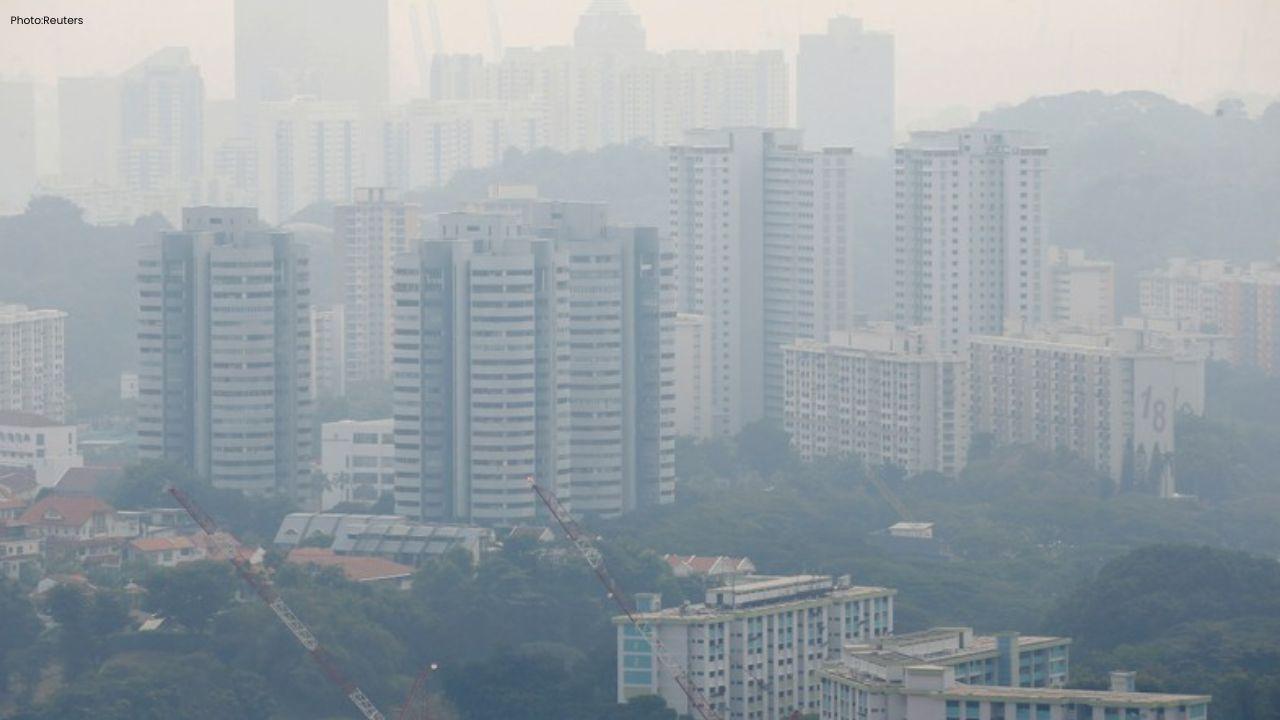
Air Quality Back At Unhealthy Levels In Central Singapore
Singapore haze returns as central PSI crosses 100, with smoke from fires in Sumatra and Kalimantan d

Don’t Lay Off Staff To Cut Costs, Union Urges AirAsia
Nufam urges AirAsia to protect workers as rising jet fuel costs and financial pressure raise concern