
You have not yet added any article to your bookmarks!
Join 10k+ people to get notified about new posts, news and tips.
Do not worry we don't spam!
Post by : Rohit Dhiman
Singapore is preparing to strengthen its legal response to cross-border air pollution as Parliament takes up proposed amendments to the Transboundary Haze Pollution Act on Wednesday, November 4, 2026. The proposed changes are aimed at improving investigations, closing enforcement gaps and increasing corporate accountability for businesses potentially linked to forest fires and recurring haze episodes in the region. The proposed legislation comes after Singapore experienced several weeks of haze that affected air quality across the country. Authorities have been investigating companies suspected of having connections to activities contributing to the pollution, including businesses operating across national borders. Minister for Sustainability and the Environment Grace Fu is set to introduce the Transboundary Haze Pollution (Amendment) Bill in Parliament. The government wants to strengthen the existing legal framework so that companies linked to activities causing cross-border pollution can be investigated more effectively and held accountable where evidence establishes responsibility. The parliamentary debate is expected to bring attention to Singapore's approach towards Transboundary Haze Pollution, environmental enforcement and the responsibility of companies whose operations may have consequences beyond national boundaries.
The decision to review the existing law follows concerns about the difficulties of investigating companies connected to forest fires and securing information from businesses operating outside Singapore. Minister Grace Fu previously explained that the government wants to address gaps in the existing legislation and improve its ability to investigate organisations suspected of contributing to transboundary haze. One of the major challenges in such investigations is collecting reliable evidence. When companies operate through multiple subsidiaries, business partners and supply chains in different countries, identifying the organisations responsible for activities linked to forest fires can become complicated. Singapore's government believes that stronger legal powers could help authorities obtain relevant information, examine corporate structures and take appropriate action when sufficient evidence is available. The proposed amendments are therefore intended to strengthen Environmental Law and make the existing framework more effective in dealing with cross-border pollution cases.
Read Also: Man Killed in Machete Attack by Three Men in Teluk Intan
A major part of the proposed changes concerns the ability of the National Environment Agency (NEA) to obtain information and cooperation from companies that may be connected to haze-related activities. Under the framework announced by the government, identified companies are expected to appoint independent assessors selected from a specialist panel. These assessors will examine several important aspects of their businesses, including their operations, corporate relationships and supply chains. The government has also indicated that the proposed amendments will give legal backing to this investigative framework. This means the requirements imposed on companies would have a stronger legal basis rather than depending only on voluntary cooperation.
The proposed framework includes several important elements:
Companies identified by the government will be required to engage independent investigation and legal professionals from an approved panel.
The appointed assessors will examine business operations, corporate structures and supply chains.
Companies will be expected to provide full cooperation and access to relevant information.
The cost of these assessments will be borne by the companies themselves.
Assessment reports will be submitted to the NEA for further consideration and possible action.
According to Singapore's Ministry of Law and the National Environment Agency, seven firms have been selected for the specialist panel. These include four investigation and consulting firms and three law firms or legal advisers. Their expertise covers forensic investigations, financial analysis, corporate intelligence and legal services. The findings of these assessments will help the NEA determine whether further action is necessary. However, being investigated or assessed does not automatically establish that a company is legally responsible for causing haze.
Corporate cooperation is another central issue in Singapore's proposed legislative changes. On October 28, Grace Fu said that the government had already served formal statutory notices under Section 10 of the existing Transboundary Haze Pollution Act on companies that may be connected to the pollution. These notices require businesses to provide accurate and timely information. The minister also made clear that failure to comply with the statutory requirements is an offence. The government expects the companies concerned to cooperate transparently and provide information that can assist the investigation. The proposed amendments are intended to give the new assessment arrangements legal force. This could make it easier for authorities to obtain relevant business records, investigate corporate relationships and examine possible connections between companies and activities linked to forest fires. Senior Minister K. Shanmugam has also indicated that the proposed changes would require companies to give appointed investigators access to relevant information, corporate documents and business premises.
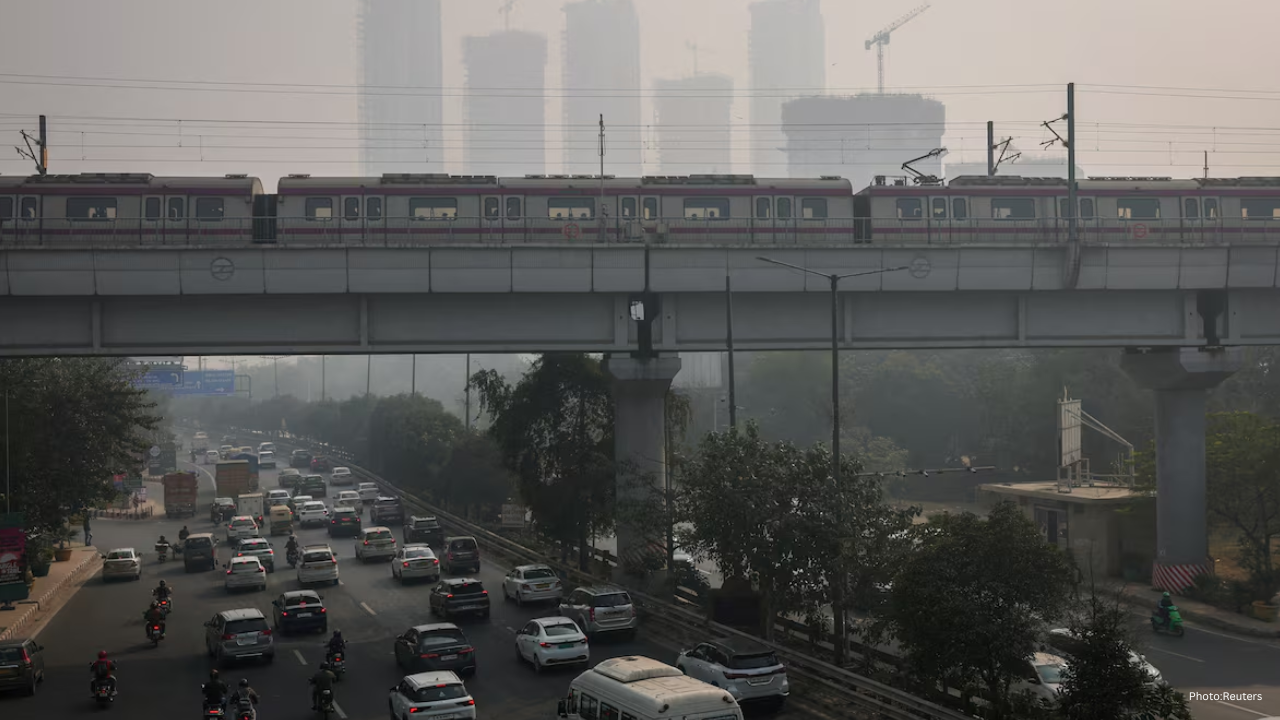
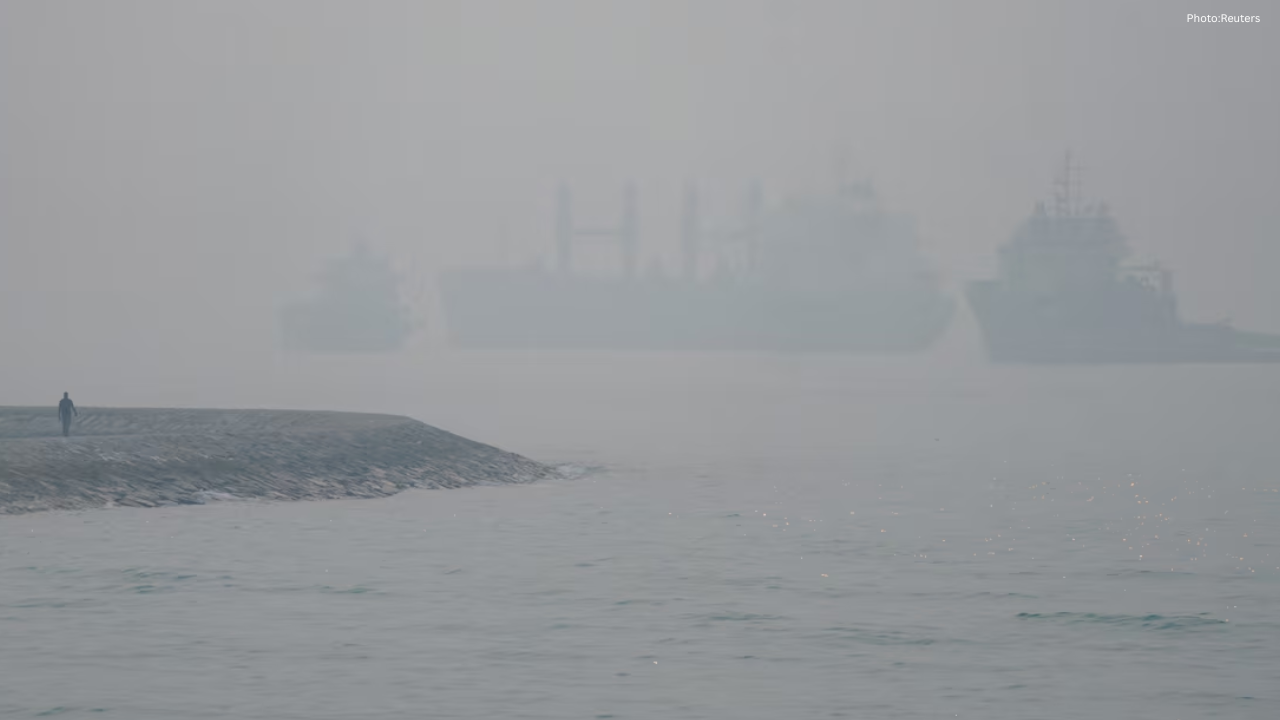
The proposed changes come after a significant haze episode affected Singapore during September and October 2026. According to the information presented in Parliament, Singapore experienced transboundary haze from September 4 to October 25. During this period, air quality reached the unhealthy range on 33 days and the very unhealthy range on five days. The highest hourly PM2.5 reading recorded during the year was 288 in western Singapore on October 14. Meanwhile, the highest 24-hour Pollutant Standards Index (PSI) reading reached 230 in the western region on October 18. These readings highlighted the scale of the pollution episode and the impact it had on daily life. The haze also raised concerns about the health of residents, particularly children, older people, pregnant women and individuals with existing heart or lung conditions. Fine particles known as PM2.5 are a particular concern because they can enter deep into the respiratory system. Exposure to polluted air can cause irritation and breathing difficulties, while prolonged exposure may aggravate existing health problems.
Before the proposed amendments came before Parliament, Singapore had started taking steps to investigate businesses potentially associated with the haze. The authorities issued notices under the existing legislation to 10 Singapore-based companies and 10 Indonesian companies. The purpose was to obtain information about their operations and examine possible links to activities associated with the forest fires. Investigating these connections can be difficult because businesses may operate through several companies, subsidiaries and supply-chain partners. Their operations may also extend across different countries, making it harder for authorities to obtain evidence and establish responsibility. Singapore's government has been working to address these challenges through a combination of legal notices, specialist investigations and cooperation with Indonesian authorities. The proposed legislative changes are expected to support this approach by strengthening the legal requirements for companies involved in the assessment process.
Singapore's haze problem is closely connected to environmental conditions and land and forest fires in neighbouring parts of Southeast Asia. Smoke generated by fires can travel across national borders, affecting air quality in countries far from the locations where the fires originate. Indonesia is particularly important in Singapore's efforts because forest and land fires in parts of Sumatra and Kalimantan have contributed to regional haze episodes. However, investigating such incidents requires cooperation between different governments, environmental agencies and businesses. Authorities need reliable information about where fires occurred, which organisations were operating in affected areas and whether there are identifiable links between business activities and the pollution. Singapore has already established a joint task force with Indonesia to investigate companies potentially linked to forest fires. The two countries' cooperation is intended to improve information-sharing and support investigations into activities that may contribute to recurring haze.
The proposed amendments are also attracting attention from lawmakers across Singapore's political spectrum. Before the November 4 sitting, more than 30 Members of Parliament had submitted over 50 questions concerning the government's response to the haze situation. Several questions focused on whether the existing law provides sufficient powers to investigate companies with complicated ownership structures and business relationships. Other lawmakers sought updates on investigations that began in 2015, including cases that remain unresolved. Questions were also raised about the evidence required to establish responsibility and the difficulties authorities face when dealing with companies operating outside Singapore. The debate is not limited to corporate investigations. MPs have also raised concerns about the impact of haze on outdoor workers, students and people with existing medical conditions. Questions have been raised about the effectiveness of indoor air filtration in schools, shopping centres, healthcare facilities and community care institutions. Lawmakers have also sought better PM2.5 forecasts to help residents and organisations plan outdoor activities during periods of poor air quality.
The November 4 parliamentary discussion is an important step in Singapore's efforts to strengthen its response to regional haze pollution. The proposed amendment bill is expected to provide a legal foundation for the specialist assessment framework and establish clearer requirements for companies asked to cooperate with investigations. Once the legislative process moves forward, the details of the approved provisions will determine how the authorities can use these powers and what obligations businesses will have to fulfil. For the government, the wider objective is to improve accountability, make investigations more effective and ensure that companies operating in Singapore or connected to its business environment take responsibility for activities that could affect the country's environment. The issue also has wider regional importance. Haze pollution does not respect national borders, and tackling it requires cooperation between governments, businesses and environmental agencies.
Singapore's proposed changes reflect a broader effort to strengthen Corporate Accountability in cases involving cross-border environmental damage. The government wants businesses to understand that their operations and supply chains may come under scrutiny when there are concerns about activities contributing to pollution. The effectiveness of the proposed law will depend on how the new requirements are implemented, how evidence is collected and whether investigations can establish responsibility through the available legal process.




Djokovic Eyes Strong Season Finish as Health Improves Ahead of Paris Masters
Novak Djokovic reports improved health and performance as he targets a strong Paris Masters finish a

SpaceX in Talks to Buy Boost Mobile or Use Its Network
SpaceX reportedly explores a Boost Mobile deal with EchoStar to expand Starlink Mobile and challenge

Erik ten Hag Warns Manchester United Face Real Relegation Risk
Erik ten Hag warns Manchester United face relegation danger after falling to 17th in the Premier Lea

Auqib Nabi Added to India Squad for First Three New Zealand ODIs
Auqib Nabi replaces injured Prasidh Krishna in India's squad for the first three New Zealand ODIs, s

OpenAI Cuts Funding Target by $10 Billion Amid Tech Stock Selloff
OpenAI reportedly reduces its funding target to $20 billion as tech stocks fall, with investors reas

McCullum Backs Harry Brook Despite England's Pakistan Tri-Series Failure
Brendon McCullum backs Harry Brook after England's Pakistan tri-series exit, praising his tactical s