
You have not yet added any article to your bookmarks!
Join 10k+ people to get notified about new posts, news and tips.
Do not worry we don't spam!
Post by : Meena Ariff
McDonald’s outlets across Japan launched a limited-time promotion in collaboration with the popular Pokémon franchise. For three days, from August 9 to 11, customers who bought a Happy Meal — a set meal aimed mainly at children — were promised a free pack of exclusive Pokémon cards.
These collectible cards have grown hugely popular in recent years, with past releases sometimes causing long queues, large crowds, and even chaotic scenes. This promotion was no exception, attracting both children and adult collectors eager to get their hands on the limited-edition cards.
Demand Exceeds Expectations
The offer was meant to last three days, but it ended on the very first day at many locations. McDonald’s Japan issued a statement saying that the cards had run out earlier than expected due to high sales. They apologised to customers who had been looking forward to the promotion, but did not directly address complaints about crowd control, stock distribution, or the food waste that followed.
Social Media Backlash
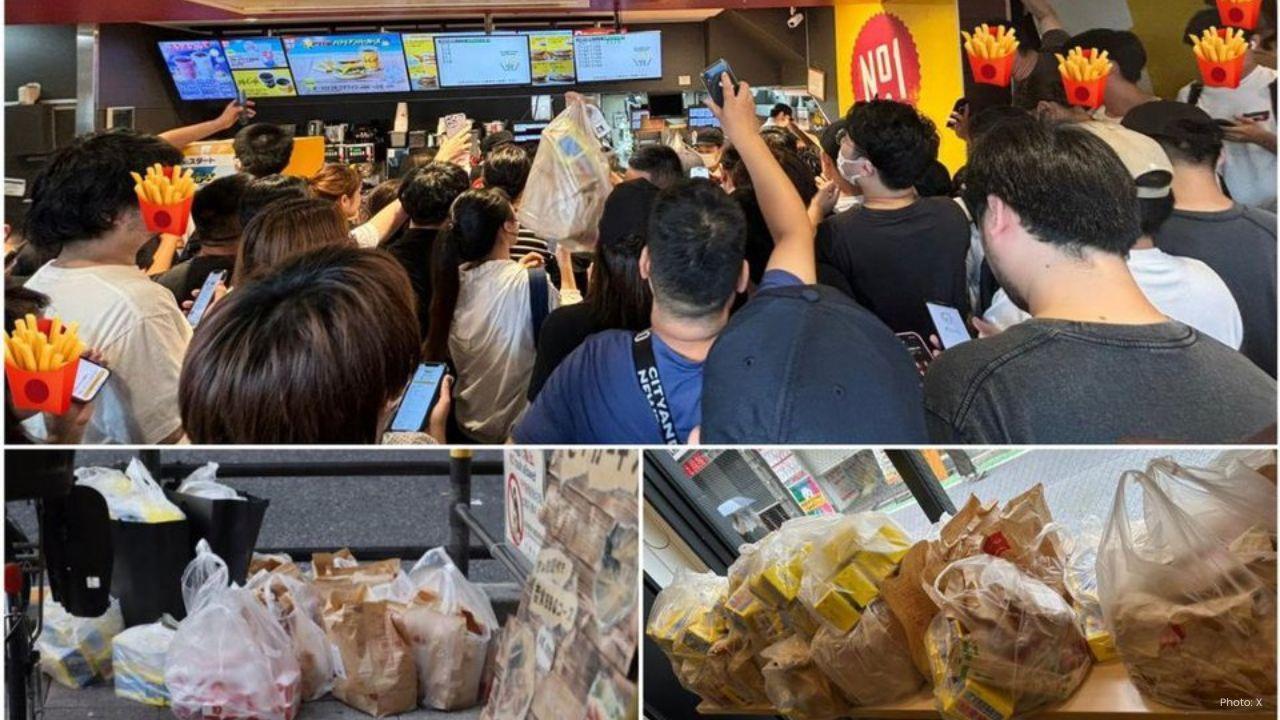
Shortly after the promotion began, photos and videos started appearing online showing a troubling trend — bags of Happy Meals left behind in stores or dumped outside. The food had been purchased only for the cards, with the meals abandoned, untouched.
In some images, rows of unclaimed paper bags were lined up on tables, the card packs removed, and the burgers and fries left behind. Other posts showed piles of Happy Meals discarded in bicycle baskets or left on the street.
One post described the scene in Shibuya early that morning: “McDonald’s burgers and fries scattered on the streets, turning into a feast for pigeons. We ask customers to take responsibility for the food they buy and properly dispose of trash.” The accompanying video showed flocks of pigeons pecking at scraps next to crumpled McDonald’s bags.
Another user wrote: “I don’t know if you want to resell Happy Meals, but isn’t it a bit much to keep buying them all up like this every time? Throwing away the burgers is just way too immoral, seriously, I wish something could be done about it. What a waste.” That post included a video of two people dumping bags of meals straight into rubbish bags.
Limits Ignored and Resales Soar
The price of a Happy Meal during the promotion was just over 500 yen (about S$4.35), and there was a purchase limit of five per person. But some determined buyers reportedly used multiple mobile accounts to place more orders, bypassing the limit entirely.
Almost immediately, the exclusive Pokémon cards began appearing on resale websites, listed for many times the cost of the meal. This added to the frustration of genuine fans and parents who simply wanted to get the cards for their children.
Concerns Over Ethics and Waste
The incident has sparked wider conversations in Japan about waste, ethics, and the responsibilities of both customers and companies during popular promotions. Many people criticised those who bought Happy Meals solely for the cards, pointing out that this behaviour not only wasted food but also deprived others — especially children — of the chance to enjoy the promotion.
Others questioned McDonald’s handling of the event, suggesting that better stock management and stricter purchase controls might have prevented such problems. Some called for the company to create systems that reward customers who consume their food rather than discard it.
A Pattern of Pokémon Craze
This is not the first time a Pokémon-related release has led to chaos. Earlier this year, in January, a launch of the latest Pokémon card set at a store in Singapore drew such a large crowd — reportedly over 1,000 people — that the event had to be cancelled for safety reasons. Police were called to manage the situation.
The global popularity of Pokémon trading cards has soared since the COVID-19 pandemic, driving intense demand and competitive buying. Limited-edition cards are often resold at huge markups, turning them into hot commodities not just for fans, but also for resellers.
Lessons for Future Promotions
While McDonald’s Japan did not announce any new measures after this incident, the controversy may push companies to rethink how they handle high-demand giveaways. Options might include selling cards separately from meals, introducing stricter ID checks to prevent repeat purchases, or partnering with online platforms to distribute cards more evenly.
For now, the early end of the promotion has left many customers disappointed, with some feeling the excitement of the Pokémon tie-in was overshadowed by greed and waste. The images of abandoned Happy Meals and food left for pigeons have become a stark reminder of how quickly a fun event can turn sour when demand, profit, and poor planning collide.










PM Modi Pays Tribute to Mahatma Gandhi, Urges People to Support Khadi
PM Modi pays tribute to Mahatma Gandhi on Gandhi Jayanti and urges citizens to support Khadi and the

Amazon Seeks to Offload $8 Billion in Nvidia Chips to Investors
Amazon plans to move $8 billion in Nvidia chips to investors, using a new financing model to strengt

Samsung Raises Galaxy S26 Prices as Memory Chip Costs Rise
Samsung raises Galaxy S26 prices in South Korea as rising memory chip costs put pressure on smartpho

Lewis Hamilton Calls Singapore Grand Prix One of F1's Toughest Races
Lewis Hamilton discusses the demanding Singapore Grand Prix and brings Plus44 and Almave to Singapor

Denmark's Pandora Opens World's Largest Jewellery Factory in Vietnam
Pandora opens its largest jewellery factory in Vietnam, expanding global production, strengthening s

Gautam Gambhir Questions Batting-Friendly Pitches After India's Record ODI Chase
Gautam Gambhir questions batting-friendly ODI pitches after India’s record chase, calling for a bett

