You have not yet added any article to your bookmarks!
Join 10k+ people to get notified about new posts, news and tips.
Do not worry we don't spam!
Post by : Rohit Dhiman
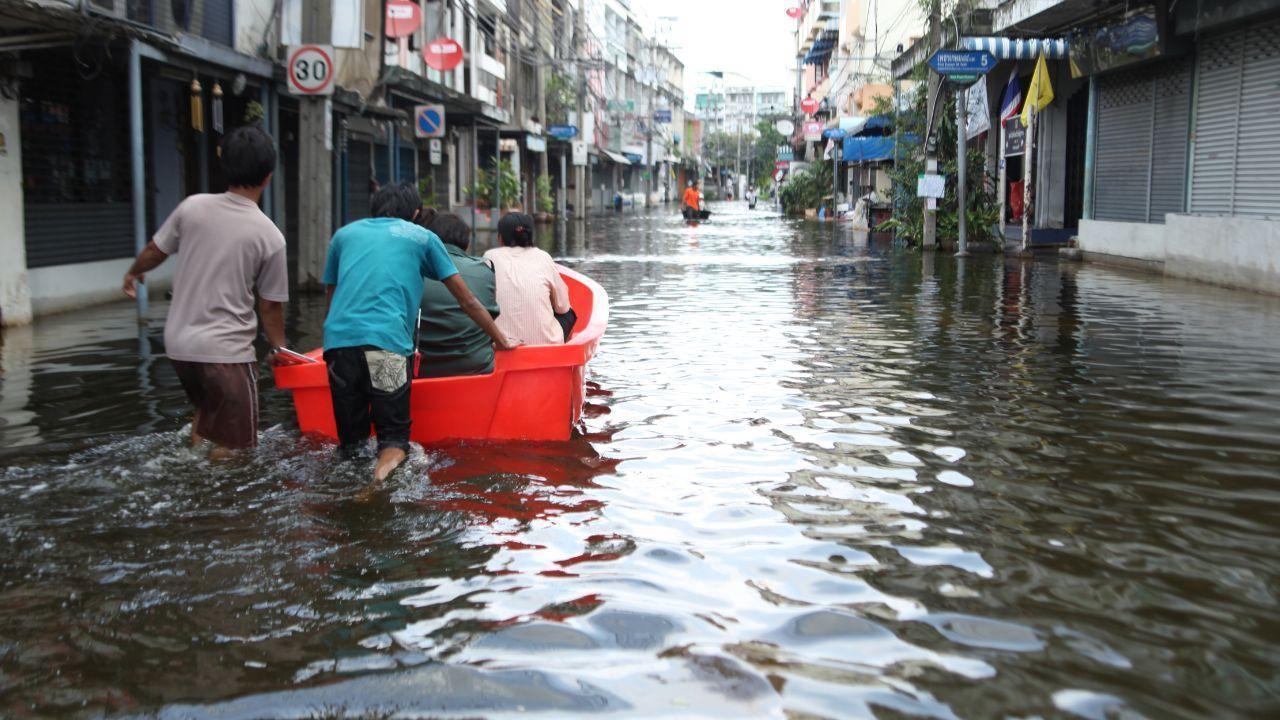
The Japanese city of Nagoya has been hit by an extraordinary spell of heavy rain after the city recorded an all-time hourly rainfall of around 105 millimetres. The intense downpour triggered flood warnings, disrupted transportation and caused major problems for residents across several parts of the city. The extreme rainfall came down within a very short period, leaving urban areas struggling to handle the sudden volume of water. Streets were flooded, vehicles became stranded and water entered homes in several locations. The situation also made it difficult for pedestrians to move safely through affected areas. The Nagoya flooding created significant disruption to everyday life. City bus and subway services were temporarily suspended as authorities dealt with flooded roads and unsafe travel conditions.
The most striking feature of the weather event was the extraordinary intensity of the rainfall. Around 105mm of rain fell in just one hour, making it an exceptional weather event for the city. Such intense rainfall can quickly overwhelm drainage systems, particularly in heavily built-up urban areas where large amounts of land are covered by roads, buildings and other hard surfaces. When rain falls faster than water can drain away, streets can rapidly turn into waterways. The record rainfall in Japan therefore created dangerous conditions within a short period. Even areas that normally remain unaffected by heavy rain can experience sudden flooding when rainfall reaches such extreme levels.
Several roads across Nagoya were inundated as water accumulated faster than it could be cleared. The flooding caused difficulties for motorists and pedestrians, with some vehicles becoming stranded in waterlogged areas. Homes were also affected by the rising water. The sudden flooding forced some residents to leave their properties and seek safer locations. The incident demonstrates how quickly an urban emergency can develop when an unusually large amount of rain falls within a short period. Authorities continued monitoring conditions and advising residents to remain alert.
The extreme weather also affected Nagoya's transportation network. Bus and subway services were temporarily suspended as officials responded to flooding and unsafe conditions. For a major Japanese city where thousands of people depend on public transportation every day, even a temporary suspension can create widespread disruption.The Nagoya flood warning also encouraged residents to avoid unnecessary travel and pay close attention to official instructions. Authorities faced the challenge of keeping people away from flooded roads while ensuring emergency services could reach affected areas.
As the situation worsened, emergency evacuation centres became an important part of the city's response. Reports indicated that approximately 3,500 people sought shelter at designated evacuation facilities. The evacuations were largely precautionary, with residents moving to safer locations while authorities monitored rainfall and flooding conditions. Officials also temporarily evacuated around 400 Asian Games athletes and staff who were staying in converted shipping containers. They were moved to higher ground during the heavy rain before the situation stabilized.
The timing of the flooding attracted additional attention because Nagoya is preparing to host the Asian Games. The Nagoya Asian Games 2026 are scheduled to run from September 19 through October 4. More than 11,000 athletes from 45 countries and regions are expected to participate. Despite the flooding, the city's mayor said there was no major concern about the sporting venues and that the Games were expected to proceed as planned. The flooding did, however, create temporary difficulties for some athletes and staff. Officials took precautionary steps to move people away from areas at risk from rising water.
Very heavy rainfall over a short period can be particularly dangerous in cities. Urban drainage networks are designed to manage normal and heavy rainfall, but exceptionally intense downpours can exceed their capacity. When this happens, water can collect rapidly on roads and move into lower-lying areas. Underground facilities, roads, transport networks and residential properties can all become vulnerable. The latest Japan weather emergency in Nagoya shows how quickly extreme rainfall can disrupt a major city. The event also highlights the importance of flood warnings, evacuation planning and emergency preparedness.
Authorities continued to monitor weather conditions, water levels and affected areas as the city dealt with the aftermath of the record rainfall. Residents were encouraged to stay informed through official alerts and avoid flooded roads and other potentially dangerous locations. Emergency teams remained ready to respond if conditions deteriorated further. The focus was on protecting residents, restoring transportation services and ensuring that essential city operations could return to normal.
Nagoya experienced exceptionally heavy rainfall, with about 105mm of rain falling in one hour. The downpour caused flooding across parts of the city, disrupted public transportation and forced thousands of residents to seek shelter.
Around 105mm of rain was recorded in a single hour, making it an unprecedented hourly rainfall event for the city.
Yes. Nagoya's city bus and subway services were temporarily suspended because of flooding and difficult travel conditions.
Around 3,500 people reportedly sought refuge at emergency evacuation centres during the severe weather.
No major damage was reported at the Asian Games venues. Some temporary accommodation experienced issues such as leaking roofs, while about 400 athletes and staff were briefly moved to higher ground as a precaution.
Read Also: Record Rainfall Floods Nagoya as 105mm Falls in One Hour
Nagoya is one of Japan's major cities and is located in Aichi Prefecture. The city became the centre of attention after an exceptional burst of rainfall caused widespread flooding and transportation disruption. The affected areas included roads and residential neighbourhoods, while emergency shelters were opened for residents seeking safety. The flooding occurred just days before Nagoya is scheduled to host the 2026 Asian Games. The event has placed additional focus on the city's ability to respond to extreme weather while continuing preparations for one of Asia's biggest sporting events.





Santner rejects BBL deal to focus on New Zealand schedule
Mitchell Santner rejects a lucrative BBL deal to focus on New Zealand cricket, captaincy and upcomin

New Zealand Focus on Discipline After South Africa Loss
New Zealand targets better discipline and defence after losing to South Africa, with the All Blacks

Joe Root Welcomes Kevin Pietersen's Return to England Setup
Joe Root welcomes Kevin Pietersen's return to the England team as a mentor ahead of the 2027 World C

Japan Ambassador Takes Holy Dip in Ganga During Rishikesh Visit
Japan Ambassador Ono Keiichi visited Rishikesh, took a holy Ganga dip and joined the Ganga aarti, ca

Sabah Spends Over RM1 Billion to Improve Water Supply
Sabah has spent over RM1 billion on water supply improvements, including replacing ageing and stolen

Authorities Urge Review of Minimum Age for Mountain Expeditions
Malaysia authorities seek a review of the minimum age for mountain expeditions after six climbers, i