You have not yet added any article to your bookmarks!
Join 10k+ people to get notified about new posts, news and tips.
Do not worry we don't spam!
Post by : Anis Farhan
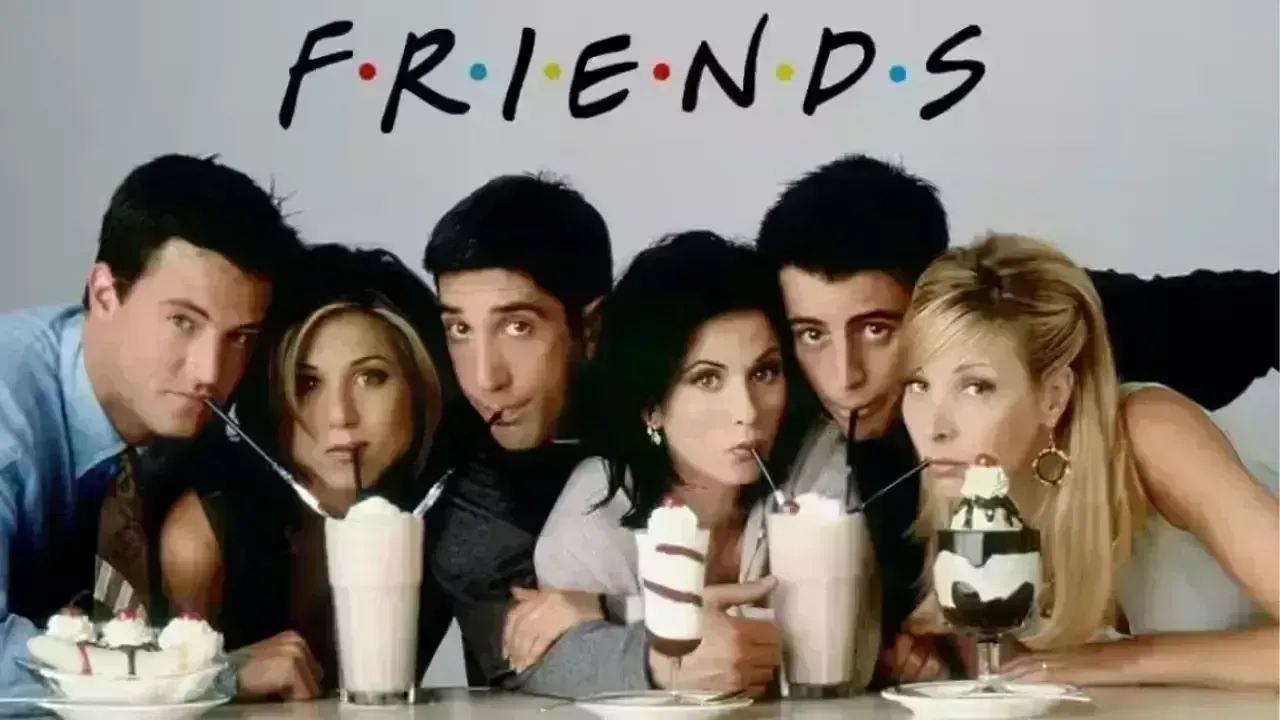
In a move that has left fans surprised and disappointed, Netflix has officially removed the beloved sitcom Friends from its streaming library. For years, Friends stood as one of Netflix’s most reliably watched shows, credited with attracting massive global viewership and generating nostalgic loyalty. Its removal signals not just a change in catalogue, but a broader transformation in how streaming platforms manage content rights and audience expectations.
The digital age promised viewers access to vast libraries of films and series at the click of a button. However, as licensing agreements evolve and competition heats up among streaming services, content that once seemed permanent now carries expiration dates. Friends — a show synonymous with meme culture, generational relatability, and binge-watching rituals — is now among the high-profile titles navigating this complex rights landscape.
Friends has enjoyed enduring popularity ever since its network television run. Its mix of humour, relatable characters, and emotional storylines made it a perfect fit for streaming audiences who embraced binge-watching years before the term became mainstream.
Netflix helped sustain the show’s popularity for a new generation. Many viewers discovered Friends through recommendations, rewatches, and cultural references that kept its relevance intact long after the original broadcast had ended.
At the heart of the removal are licensing agreements — legal contracts that determine which platforms have the rights to stream particular content in specific regions. These rights are often time-bound, and when contracts expire or are renegotiated, content can be pulled from platforms.
In this case, the licensing rights that enabled Netflix to stream Friends have concluded, prompting its removal. This change has left many subscribers wondering why such a popular and influential series would disappear.
Although Friends is no longer on Netflix, the show is not disappearing entirely from streaming availability. Typically, high-demand series like this find new homes on platforms willing to invest heavily in exclusive rights — often services with deeper pockets or those looking to bolster their subscriber base.
It is important to note that Friends may remain available on different platforms depending on the region. Streaming rights are frequently sold on a country-by-country basis, meaning availability can vary dramatically depending on location. For international viewers, this discrepancy often leads to confusion when titles appear on one service but not another.
Once news of the removal spread, fans took to social media with reactions ranging from disbelief to frustration. Many users shared memes, quotes from the show, and nostalgic references as they expressed disappointment over losing easy access.
Fan communities have even launched online petitions urging Netflix to retain or bring back the show, highlighting the emotional attachment audiences have with the series. While these efforts are symbolic, they reflect how deeply Friends is woven into popular culture.
Many viewers assume that once a show is on a platform, it stays there forever. In reality, streaming libraries are more fluid. Content rights are subject to negotiations, renewals, and strategic decisions by rights holders.
As more services compete for exclusive content — from legacy platforms to newer entrants — shows like Friends become valuable bargaining chips. Sometimes, gaining exclusive rights to a beloved series can help a platform increase its subscriber base.
Customers who subscribed to Netflix specifically to watch or rewatch Friends may now need to adjust their viewing expectations or seek alternative services.
This removal also highlights a broader trend: streaming platforms frequently update and rotate content. Viewers can no longer expect a static library of titles; instead, regular changes have become standard.
Streaming services often enter multi-year deals to carry popular shows. These agreements involve negotiations over licensing fees, audience metrics, and long-term strategic value. When a deal ends, platforms must decide whether to renew — a process influenced by cost, viewer demand, and future direction.
Netflix and other platforms are increasingly focusing on original content — series and films produced exclusively for their service. Original programming provides long-term ownership and control, reducing reliance on licensing agreements that can expire or shift to competitors.
As shows move between services due to licensing changes, streaming viewers face a fragmenting landscape. What was once a one-stop shop for multiple beloved shows is now a network of specialised services, each holding exclusive rights to specific content.
Some streaming platforms are experimenting with bundled offerings, where subscribers can access multiple services at a combined cost. This trend may help viewers manage the complexity of migrating shows between platforms.
Even without presence on Netflix, Friends remains a cultural touchstone. Its characters, catchphrases, and moments have become part of internet culture, referenced across media, fashion, and comedy.
Traditional syndication — where shows air on television networks — continues to play a role alongside streaming. Friends has long benefited from these multiple outlets, ensuring its presence in new and returning audiences.
Viewers eager to watch Friends should check regional streaming options, as availability varies by country. Local media listings or the official show distributor may provide guidance on current availability.
For those who want permanent access, owning DVD or Blu-ray sets remains an option, offering an experience that doesn’t rely on platform licensing.
The removal of Friends from Netflix underscores a changing era for audiences and content providers alike. Streaming platforms operate within a complex web of licensing, competition, and strategic planning. For viewers, this change is a reminder that beloved content can shift homes — sometimes with little warning.
While many fans may feel disappointed, this development also highlights the dynamic nature of media consumption today. As platforms evolve and negotiate content rights, audiences adapt with new ways of accessing stories they love.
This article is for informational purposes only and is based on publicly available information at the time of writing. Availability of Friends on streaming platforms may change without notice, and readers are encouraged to verify details directly with service providers.










AI Companies Expected to Drive Most US Earnings Growth in Q3
AI companies are expected to drive US third-quarter earnings growth as investors assess tech profits

Money Market Funds See Record Inflows as Global Bond Selloff Intensifies
Global money market funds attract $153.81 billion as bond yields rise, inflation fears persist and i

Meta Bans TikTok Ads on Facebook and Instagram in Seven Countries
Meta has banned TikTok ads in seven countries, escalating competition over social media users, adver

ASML and Zeiss Target Next-Generation Chip Technology in 10 Years
ASML and Carl Zeiss are developing Hyper NA technology to print smaller chip circuits, with the next

Rabada Misses First Australia Test as South Africa Pick Two Spinners
Kagiso Rabada misses the opener as South Africa vs Australia begins, with Anrich Nortje returning an

Starc Compares Australia's Tough Year to McIlroy's Major Sweep
Mitchell Starc says Australia winning three away Test series and the World Cup would match Rory McIl