You have not yet added any article to your bookmarks!
Join 10k+ people to get notified about new posts, news and tips.
Do not worry we don't spam!
Post by : Badri Ariffin
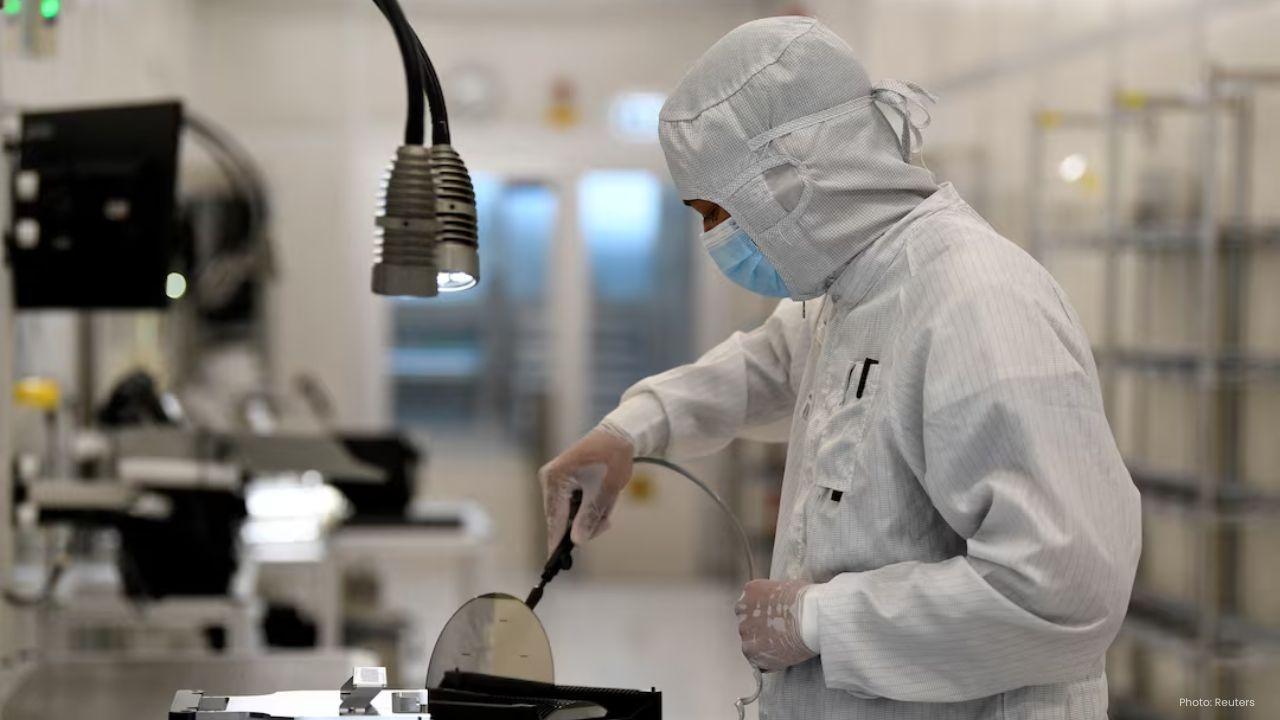
Following a pause in operations, Nexperia’s unit in China has resumed chip sales, now requiring all transactions to be conducted solely in Chinese yuan. This shift represents a significant departure from previous practices where currencies like the U.S. dollar were used.
The stoppage in activities was initiated after an export ban imposed by Beijing on October 4, coinciding with the Dutch government’s takeover of Nexperia on September 30. Concerns regarding corporate governance led to the dismissal of Zhang Xuezheng, the Chinese CEO, exacerbated by worries that Nexperia’s parent company, Wingtech Technology, could misdirect vital chip technology. Additionally, U.S. restrictions on Wingtech have intensified the scrutiny.
Focus on Domestic Sales and Yuan Transactions
Insider sources indicate that distributors must finalize all sales in yuan, extending even to sales to end customers. This strategy seems aimed at stabilizing local chip supply while reducing the influence of Nexperia’s Dutch owners.
Although Nexperia's Chinese operations are essential for packaging, the ongoing tensions have prompted a search for alternative partnerships beyond China. Company representatives assert that this shift was planned previously, yet insiders suggest an increased urgency due to the recent export ban.
Warnings and Tensions Emerge
In an unexpected alert, Nexperia cautioned its Chinese clients that products from the Chinese division might pose potential risks, though no direct advice against purchasing was given. The subsidiary has stated via WeChat that it remains operationally independent and is continuing its regular production and business efforts, while also criticizing the Dutch parent for disseminating “unfounded concerns” regarding product compliance and hinting at possible legal proceedings.
Industry Repercussions
The ongoing disruption has raised serious concerns within the automotive industry. The Japan Automobile Manufacturers Association has signaled that its members are being alerted to possible supply instabilities from Nexperia, a key supplier of high-demand chips used in many vehicles. Meanwhile, German officials have begun urgent dialogues with car manufacturers and suppliers to evaluate possible impacts.
As tensions endure, Nexperia’s China unit seems resolute in fortifying its domestic footprint, while its Dutch parent strives to manage the situation's narrative. This dynamic illustrates the interplay between geopolitical maneuvers, corporate governance, and currency regulations in reshaping global tech supply chains.








Alyssa Healy Announces Retirement, To Play Final Matches Against India
Alyssa Healy to retire after India series, ending a 15-year career with 3,563 ODI runs, 275 dismissa

Malaysia to Take Legal Action Against X Over AI Chatbot Grok Safety
Malaysia’s regulator warns X over AI chatbot Grok, citing user safety risks from sexualized image cr

Rashami Desai Opens Up About 8-Year Battle With Depression
TV actress Rashami Desai reveals how work helped her heal from an eight-year-long struggle with depr

Myanmar Polls Proceed as Junta Chief Min Aung Hlaing Looms Large
Though not on the ballot, junta leader Min Aung Hlaing dominates Myanmar’s election amid civil war,

Greenland Annexation Bill Proposed to Strengthen US Arctic Control
A new US bill proposes Greenland's annexation and statehood to secure Arctic dominance and curb Chin

Canada’s PM Mark Carney Begins Key China Visit Amid Trade Tensions
Canada’s PM Mark Carney visits China to strengthen trade and security ties amid strained U.S. relati