You have not yet added any article to your bookmarks!
Join 10k+ people to get notified about new posts, news and tips.
Do not worry we don't spam!
Post by : Saif Rahman
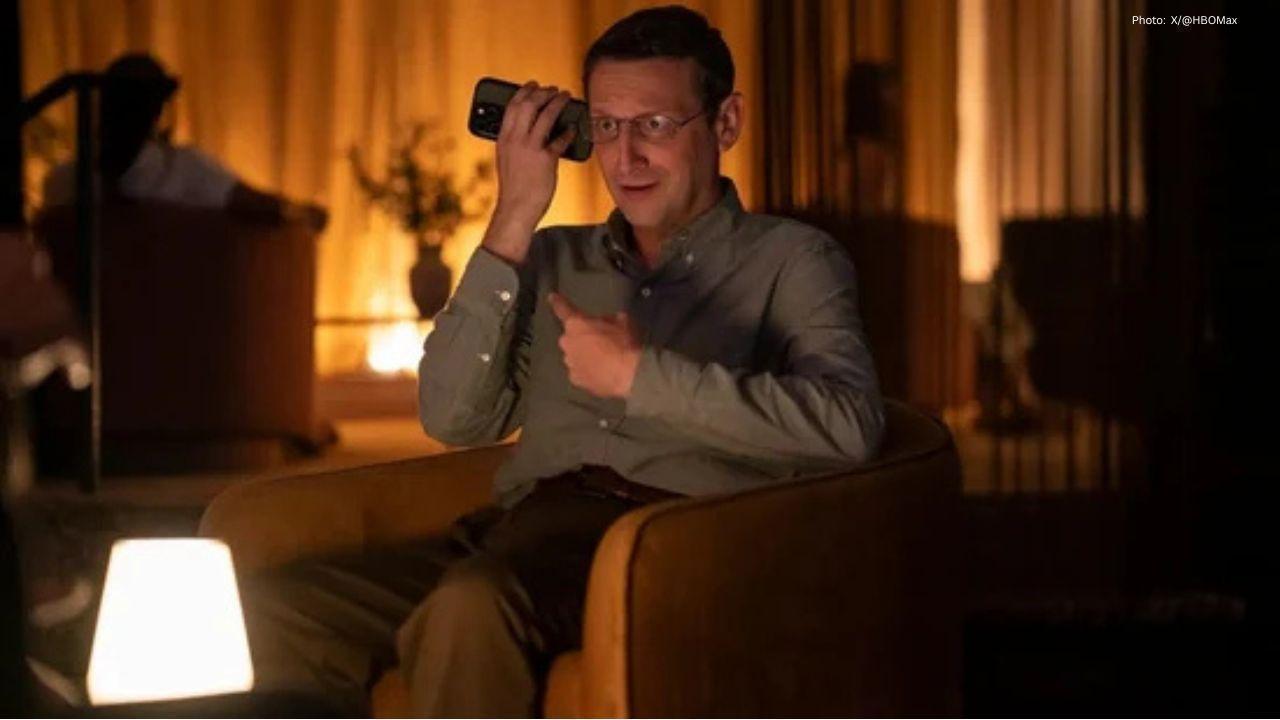
HBO’s new comedy The Chair Company has drawn attention for its candid tone and visual simplicity. Costume designer Nicky Smith says she intentionally dressed the cast in items that look worn and personal rather than polished runway pieces, aiming to mirror how real people in small Midwestern towns tend to dress.
The series takes place in a customer-service office in Ohio, where the plot drifts into odd and surreal territory. Even as situations escalate, Smith says the costumes were meant to keep the characters anchored in a believable reality, reflecting the creators’ wish for a natural, unglamorous environment.
Smith avoided perfect, new-looking outfits. She left wrinkles, stretched collars and faint marks intact when appropriate, and sometimes laundered garments without erasing every imperfection. Those small, imperfect touches were chosen to suggest ordinary lives lived outside of an aesthetic agenda.
Her preparation included studying LinkedIn headshots, family photographs and social media images of Midwestern residents to understand everyday dress codes. That research led her to thrift shops, where secondhand pieces carried the wear and backstory she wanted to convey.
For the protagonist Ron Trosper, portrayed by Tim Robinson, Smith hunted through bins of older ties and worn shoes that already showed signs of use. She noted that sourcing pre-owned clothing was both an environmentally conscious choice and a way to make the character feel rooted in life before the camera started rolling.
As Ron’s perspective shifts over the series, his wardrobe evolves in subtle ways: colors brighten and fits appear slightly more considered. These incremental costume changes are designed to reflect inner development without resorting to overt visual spectacle.
Extras and background performers were also dressed to suggest individual personalities rather than a uniform fashion statement. Smith emphasised that the aim was authenticity—showing people who are flawed, occasionally dishevelled, and recognisably human.
This restrained approach separates The Chair Company from shows that foreground stylised or trend-driven wardrobes. By keeping clothing modest and imperfect, the production creates a texture that viewers can relate to more readily.
Clothes on the show often look un-pressed, mismatched or previously owned—details that make scenes feel lived-in rather than curated for display.
In Smith’s hands, costume choices do more than clothe actors: they help tell a story about everyday people, making moments of comedy and vulnerability feel grounded and accessible.
That quiet commitment to realistic dress is among the series’ most effective and relatable design decisions.










Danaher to Launch AI-Powered Autonomous Research Lab in 2027
Danaher plans an AI research lab for 2027, combining robotics and automation to speed up drug discov

Musk Welcomes German Support for Tesla Driver Assistance Tech as EU Approval Push Continues
Elon Musk welcomes Germany's backing for Tesla FSD as the company seeks EU approval amid speed, safe

Microsoft and Nvidia CEOs to Unveil AI Laptop at San Francisco Event
Microsoft and Nvidia showcase a new AI laptop with RTX Spark chips as they push powerful local AI co

Man to face charges over perfume thefts at Changi Airport
A 47-year-old man faces charges over perfume theft at Changi Airport after six items worth nearly S$

Google Signs 3.6-GW Power Deal With Constellation Energy in US
Google signs a 3.6-GW power deal with Constellation Energy, including nuclear power upgrades to supp

Harmanpreet Kaur Steps Down as India Captain Across All Formats
Harmanpreet Kaur steps down as India captain across all formats after a remarkable leadership journe