You have not yet added any article to your bookmarks!
Join 10k+ people to get notified about new posts, news and tips.
Do not worry we don't spam!
Post by : Shweta
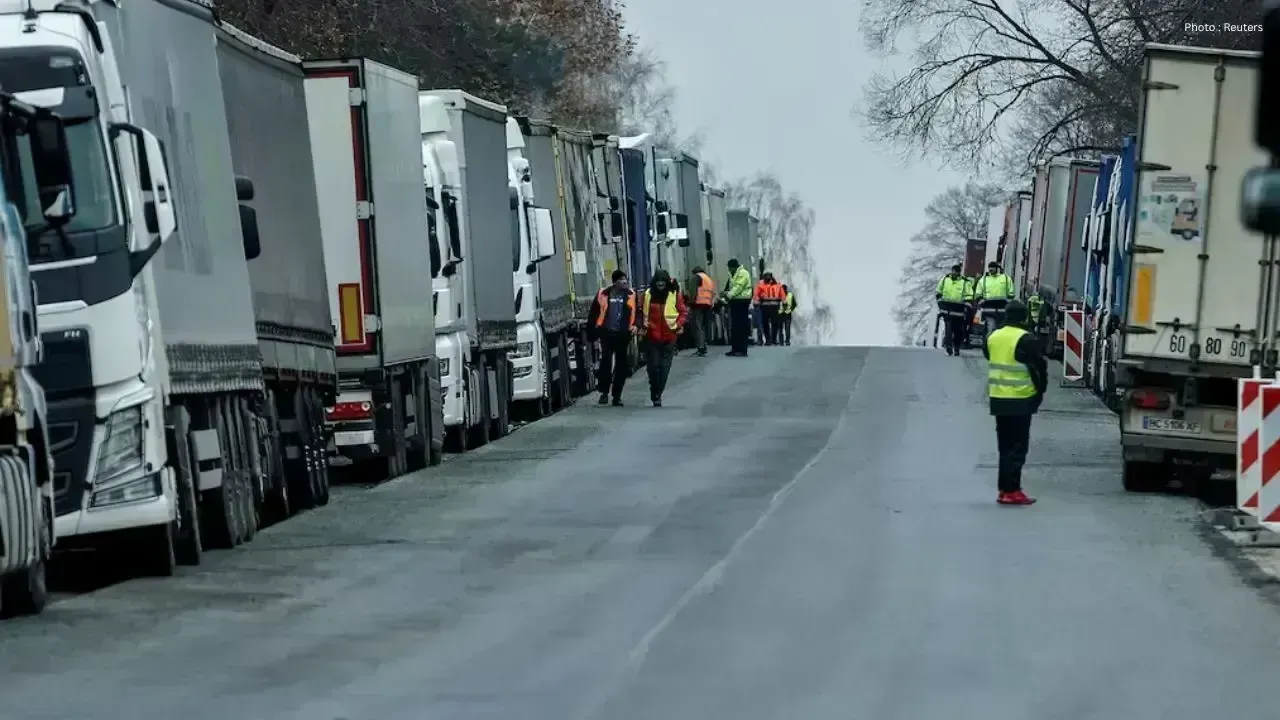
In Nova Scotia, tensions are escalating as Premier Tim Houston issued a strong condemnation of highway blockades established by First Nations activists. The protests erupted following a police operation at an unregulated cannabis shop in Cape Breton, intensifying the strife between provincial officials and Indigenous representatives.
Houston asserted that blocking roads is “never acceptable” and cautioned that such actions jeopardize public safety. He emphasized the vital role of roads in daily life, essential for accessing medical care, employment, and family obligations. According to him, such disruptions pose risks and hinder critical community services.
The protests stemmed from an operation conducted by the Royal Canadian Mounted Police (RCMP), which resulted in the seizure of cannabis products and led to the arrest of two individuals. In response, demonstrators obstructed key highways, including Highway 4 within the Potlotek First Nation, as well as segments of Highways 102, 104, and 105.
The situation escalated further when police had to abandon several vehicles due to safety issues, with reports indicating that some RCMP vehicles were damaged during the protests. First Nations leaders condemned vandalism and urged anyone with information about the incidents to step forward.
Leadership from the Potlotek First Nation defended the blockades, portraying them as a united and peaceful demonstration. They dismissed claims regarding the illegality of their protests, insisting that their actions are integral to the broader discourse on Indigenous rights and self-determination.
Central to the conflict is the issue of cannabis regulation within Indigenous territories. Houston pointed out that there are no established treaty rights permitting the sale of cannabis without oversight, cautioning that unregulated products might be hazardous due to elevated THC levels and insufficient regulation.
Conversely, Indigenous leaders asserted that enforcing laws without respecting Mi’kmaw governance only exacerbates tensions. They insisted that these actions overlook their rights and engender unnecessary friction between their communities and governmental authorities.
Advocating for a collaborative approach, the premier proposed that both parties work towards establishing regulated cannabis enterprises within First Nations, allowing for local economic benefits.
As both sides remain steadfast in their stances, the situation remains delicate. This dispute underscores the ongoing struggles surrounding Indigenous rights, law enforcement, and jurisdiction issues in Canada, with no swift resolution anticipated.








Danaher to Launch AI-Powered Autonomous Research Lab in 2027
Danaher plans an AI research lab for 2027, combining robotics and automation to speed up drug discov

Musk Welcomes German Support for Tesla Driver Assistance Tech as EU Approval Push Continues
Elon Musk welcomes Germany's backing for Tesla FSD as the company seeks EU approval amid speed, safe

Microsoft and Nvidia CEOs to Unveil AI Laptop at San Francisco Event
Microsoft and Nvidia showcase a new AI laptop with RTX Spark chips as they push powerful local AI co

Man to face charges over perfume thefts at Changi Airport
A 47-year-old man faces charges over perfume theft at Changi Airport after six items worth nearly S$

Google Signs 3.6-GW Power Deal With Constellation Energy in US
Google signs a 3.6-GW power deal with Constellation Energy, including nuclear power upgrades to supp

Harmanpreet Kaur Steps Down as India Captain Across All Formats
Harmanpreet Kaur steps down as India captain across all formats after a remarkable leadership journe