You have not yet added any article to your bookmarks!
Join 10k+ people to get notified about new posts, news and tips.
Do not worry we don't spam!
Post by : Saif Rahman
Thailand has firmly announced its intention to persist with military operations at its contested border with Cambodia, dismissing assertions of a ceasefire agreement. This declaration follows renewed hostilities that erupted on Saturday, which included aerial assaults by Thai fighters, mere hours after former U.S. President Donald Trump claimed to facilitate a truce.
In a statement on social media, Thai Prime Minister Anutin Charnvirakul declared that the country would continue its military actions to safeguard its territory and citizens, emphasizing that no ceasefire had been reached. He noted that the military operations would carry on as long as he perceived a threat to Thailand.
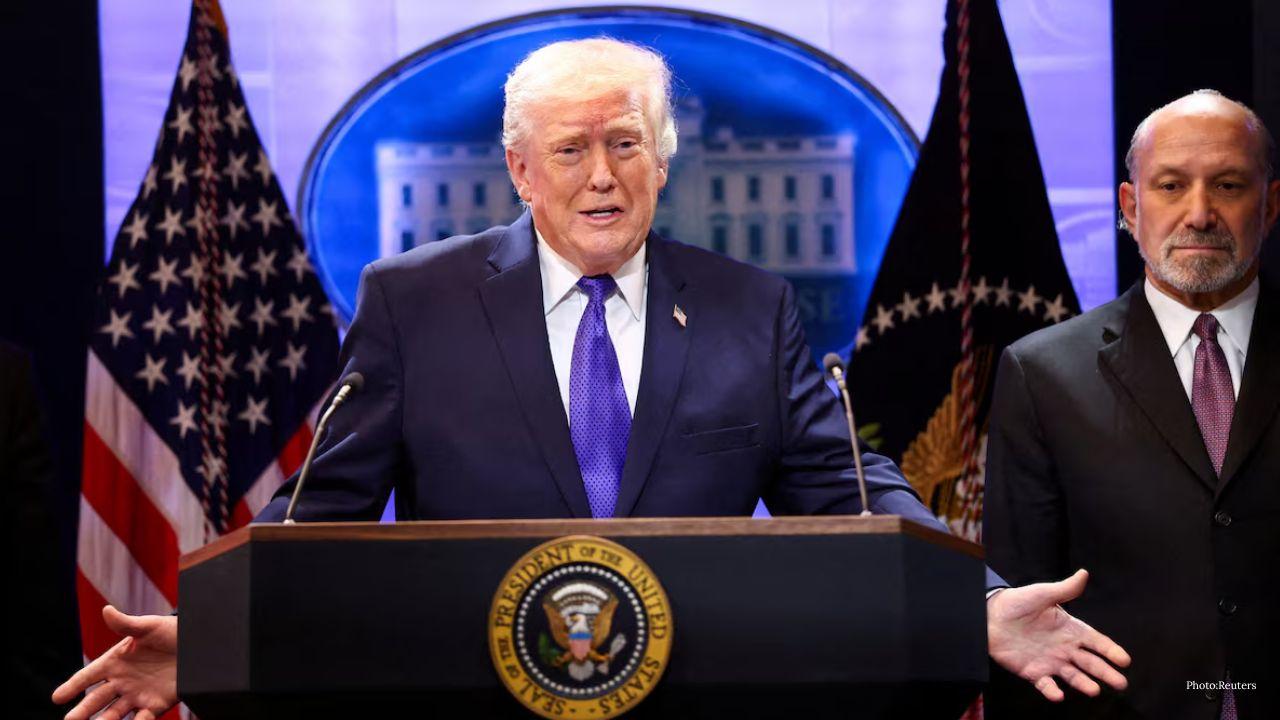
Trump previously stated he had engaged with both Anutin and Cambodian Prime Minister Hun Manet, who supposedly agreed to halt hostilities. Nonetheless, official statements from either leader did not confirm this arrangement, with Anutin asserting the absence of any ceasefire. The White House has yet to respond to inquiries regarding the ongoing military actions.
The hostilities between Thailand and Cambodia are not recent developments; the two nations share an 817-kilometer border, with ongoing territorial disputes. Clashes in these border regions often escalate, leading to significant military confrontations. Exchanges of heavy fire have been noted, marking some of the most intense fighting since a previously major 5-day clash in July.
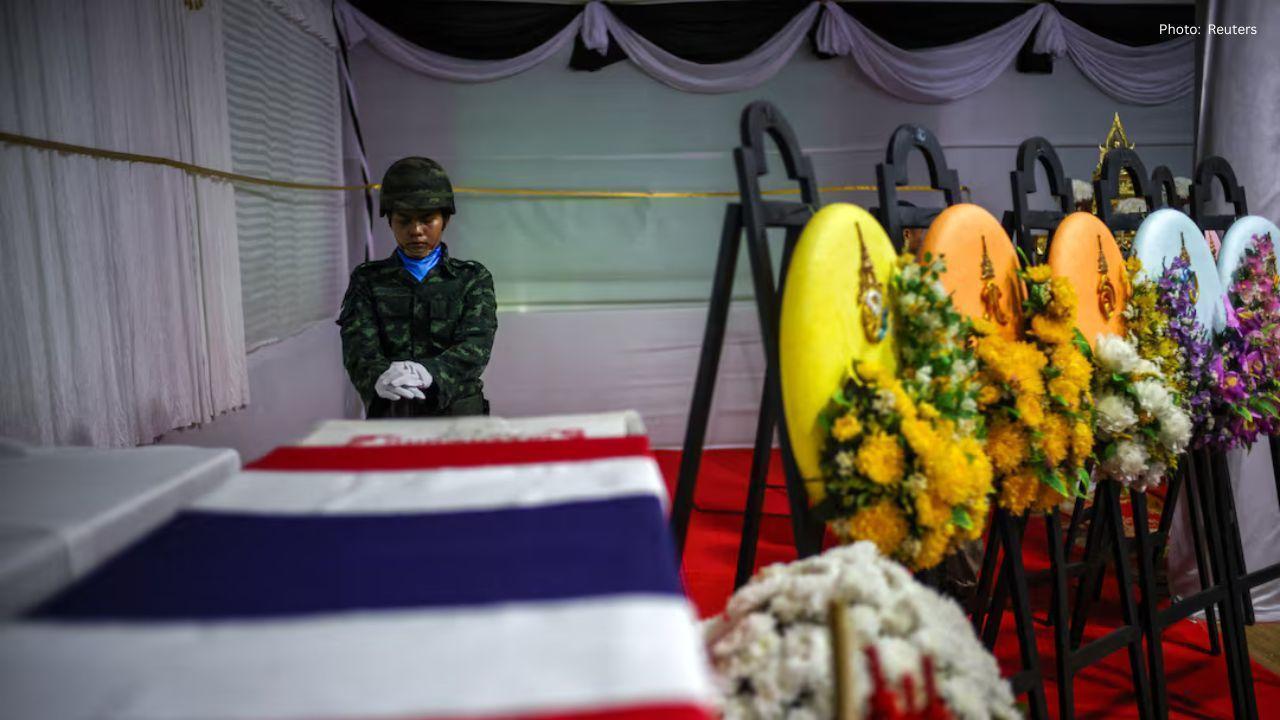
The human toll of the ongoing conflict was poignantly illustrated during the funeral service for Sergeant Major Ananda Udon, a 39-year-old Thai soldier slain earlier in the week. His funeral in Si Sa Ket province, adjacent to the Cambodian border, showcased the profound impact the skirmishes have had on local Thai communities and military personnel.
A recent landmine explosion injuring a Thai soldier reignited the violence and was allegedly attributed by Thailand to newly deployed Cambodian forces, a claim Cambodia vehemently contests. Following this incident, Thailand suspended a prior ceasefire agreement, asserting it could no longer trust Cambodian actions. Anutin further dismissed alternatives suggesting the explosion was merely accidental.
Reports from Thailand’s Defence Ministry indicated that confrontations occurred in seven border provinces, with allegations that Cambodia had fired heavy weaponry, prompting a response from Thai forces. Conversely, Cambodia accused Thailand of demolishing infrastructure overnight while asserting that artillery was deployed from a naval vessel. The blame game complicates the situation, muddling the truth behind the escalating violence.
Despite the unrest, Cambodian Prime Minister Hun Manet expressed a desire for peaceful resolutions, reinforcing Cambodia’s commitment to previous agreements aimed at alleviating tensions. He urged international entities, including the United States and Malaysia, to help ascertain which side initiated the latest hostilities. Malaysia has a historical role in mediating relations between the two countries.
Trump continues to portray himself as a mediator, claiming legacy achievements in halting previous conflicts and asserting eligibility for the Nobel Peace Prize, with Cambodia having nominated him earlier this year. Nonetheless, Thailand’s firm refusal of any ceasefire casts doubt on the effectiveness of this recent diplomatic endeavor.
This scenario exemplifies the fragility of peace initiatives marred by entrenched distrust and ambiguous dialogues. Public declarations of ceasefires hold little weight unless they achieve mutual understanding and respect from all parties involved. For residents near the border, ongoing clashes only serve to breed fear, loss, and uncertainty.
With escalating military operations looming, Thailand and Cambodia must navigate a critical juncture. Continued aggression threatens further casualties and enduring damage to bilateral relations, whereas genuine dialogue, supported by impartial verification of contentious incidents, may pave the way for de-escalation. International mediators have an integral role in ensuring that future peace negotiations are transparent, clear, and mutually accepted. Until such measures are established, tensions along the border are likely to persist, with lasting peace remaining in jeopardy.


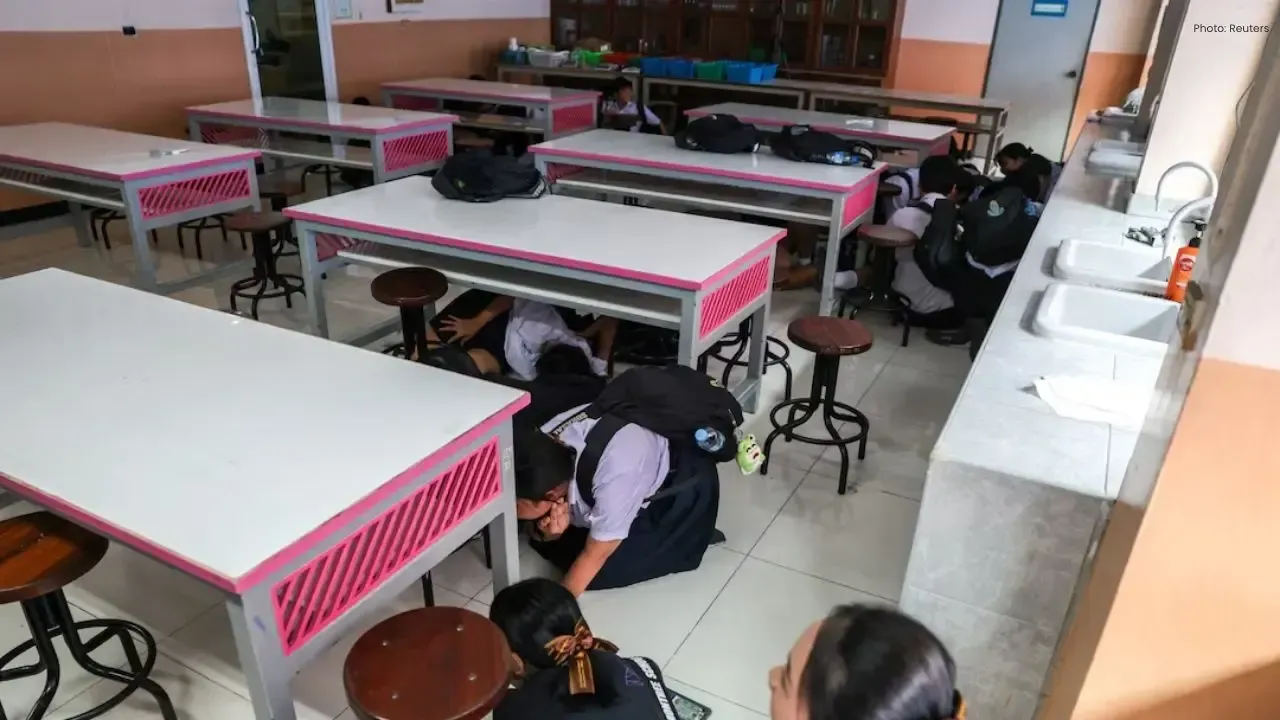





Lamborghini Catches Fire on Singapore's ECP, Causing Heavy Traffic
A Lamborghini caught fire on Singapore's ECP, causing heavy traffic and bus delays. No injuries were

Bangkok Airport Duty-Free Area Flooded by Pipe Burst
A burst water pipe flooded the duty-free shopping area at Bangkok's Suvarnabhumi Airport on July 16,
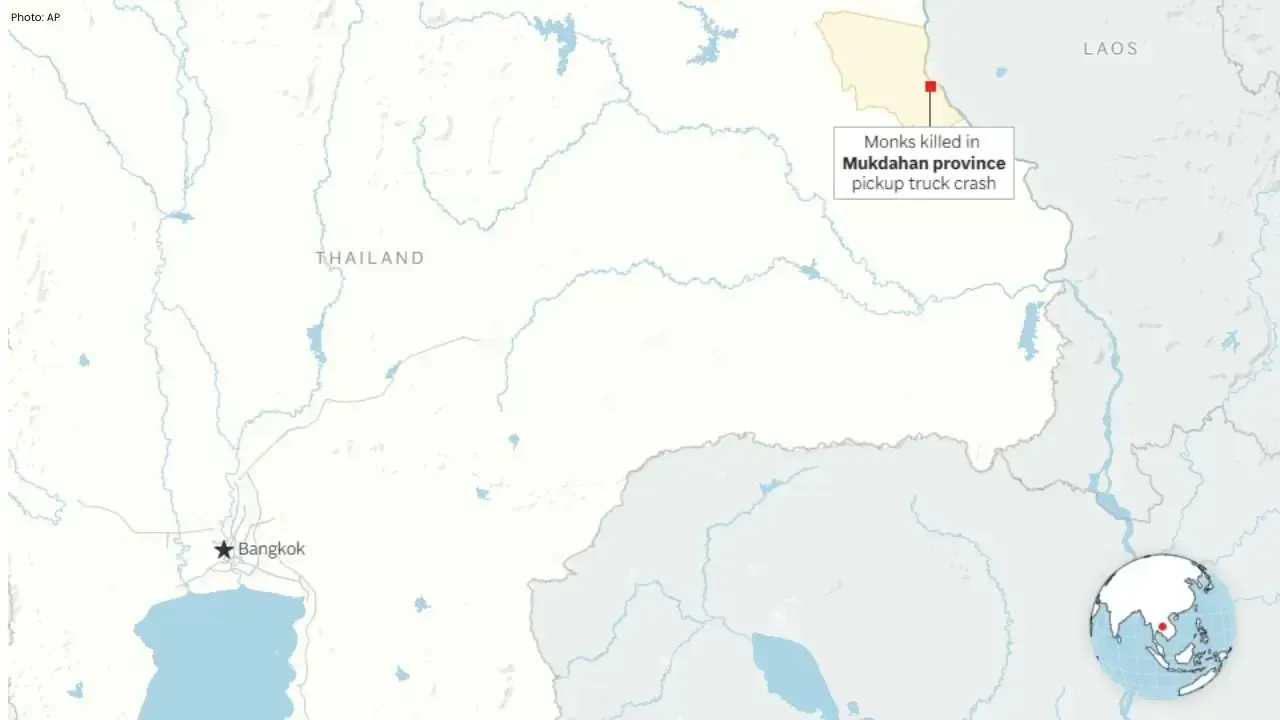
Nine Monks Killed in Thailand Pickup Truck Tragedy
An 11-year-old boy driving a pickup truck crashed into monks during a pilgrimage in northeastern Tha
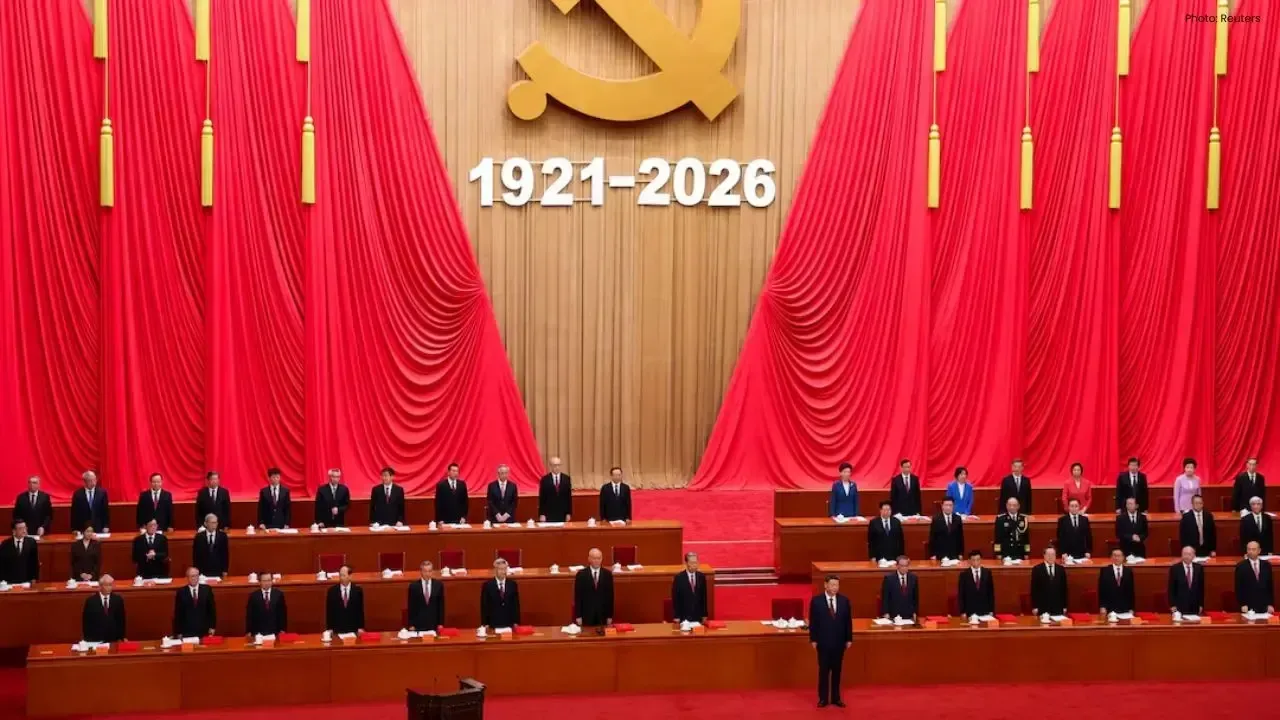
Anwar Congratulates Xi on CPC's 105th Anniversary
Malaysia reaffirms strong ties with China as PM Anwar Ibrahim sends a congratulatory letter to Presi
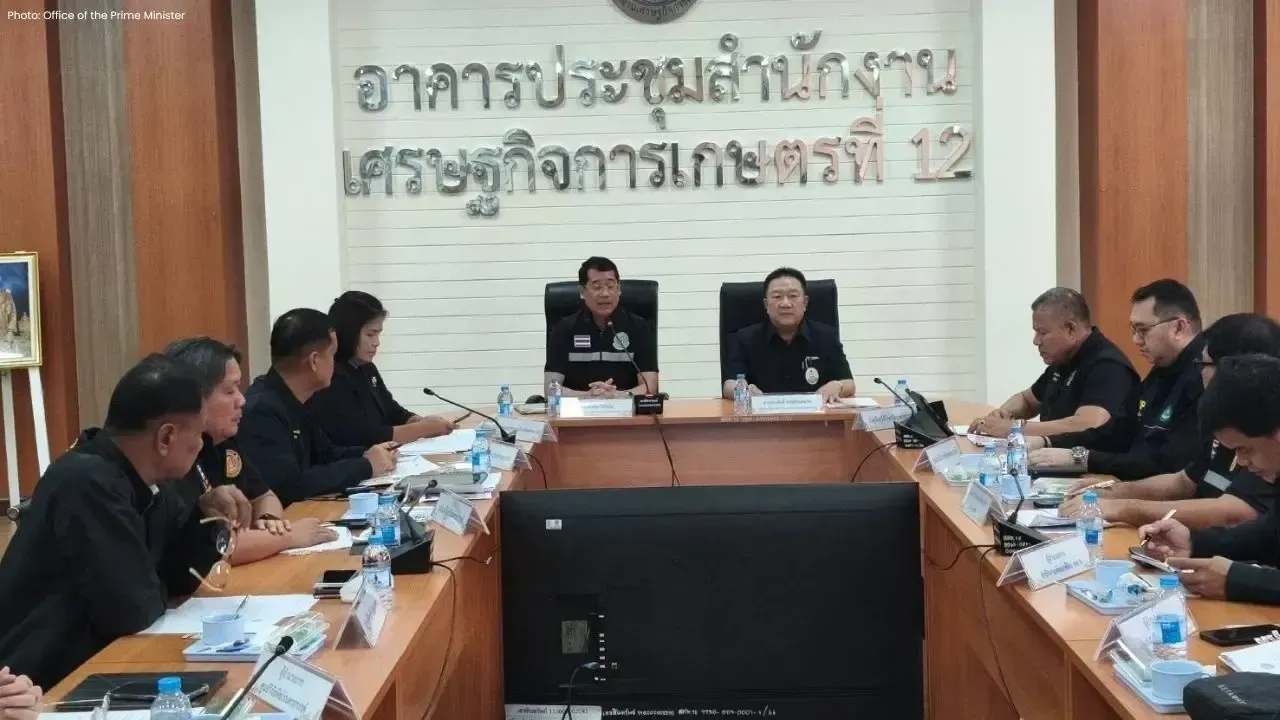
Thai Agriculture Team Reviews 2026 Farm Development Plans
Agriculture Ministry officials inspected livestock and organic rice projects in Nakhon Sawan to moni
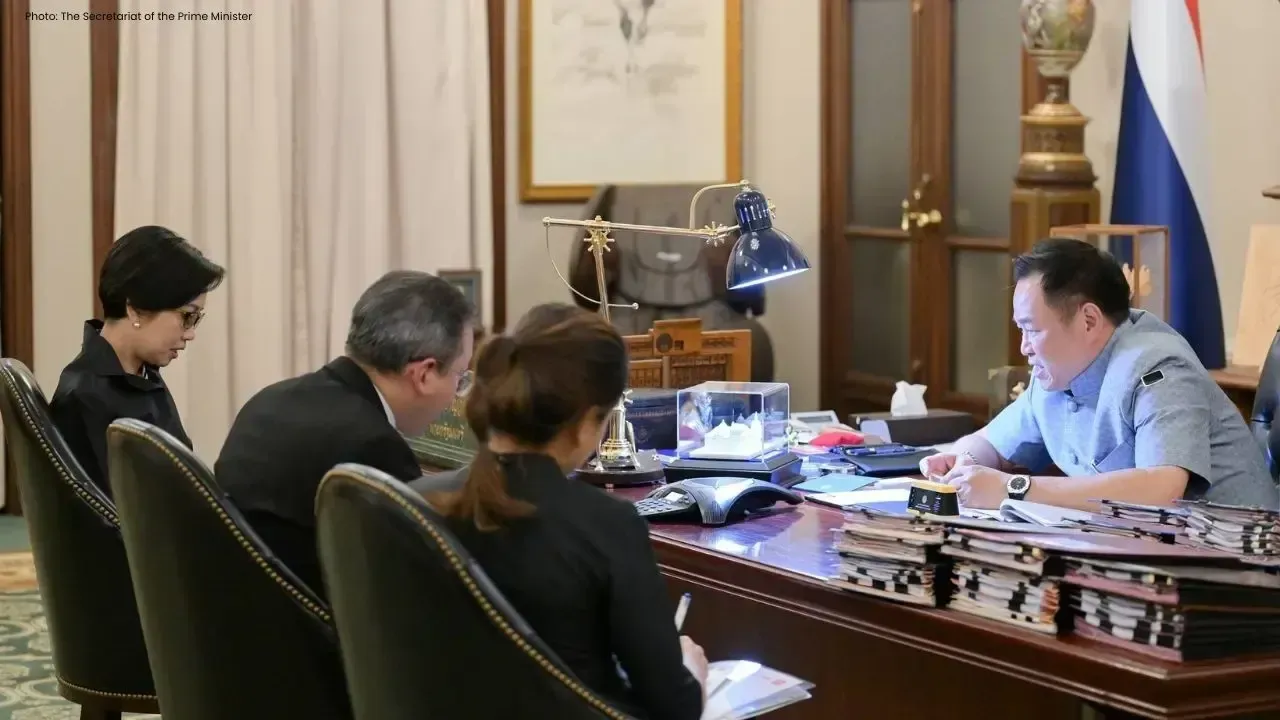
Thailand, Canada Boost Ties in PM-Level Phone Talks
Thailand and Canada agreed to strengthen trade, security, OECD cooperation and ASEAN-Canada FTA talk