You have not yet added any article to your bookmarks!
Join 10k+ people to get notified about new posts, news and tips.
Do not worry we don't spam!
Post by : Rohit Dhiman
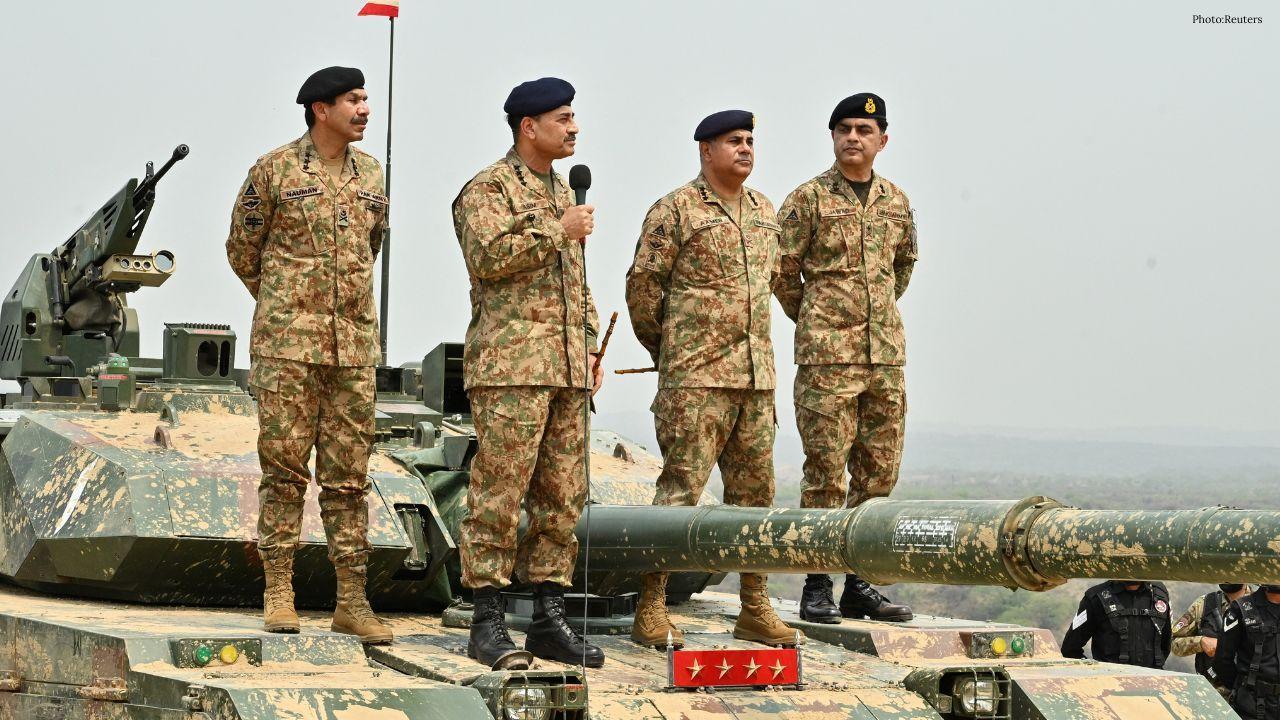
Pakistan has stepped up its response to the worsening regional crisis after a series of attacks by Yemen's Houthi movement targeted areas inside Saudi Arabia. The escalation has raised questions over whether Islamabad could become directly involved if attacks on Saudi territory continue. According to recent reports, Pakistan has conveyed a warning to Iran to use its influence to restrain the Houthis and prevent further attacks against the kingdom. The warning comes at a particularly sensitive time, with the wider Middle East already facing multiple military confrontations and growing concerns about the conflict spreading across national borders. The latest developments have also brought renewed attention to the Mecca Defence Pact, under which Pakistan, Saudi Arabia and Türkiye have strengthened their security cooperation.
The immediate trigger for the latest escalation has been a major wave of Houthi attacks against Saudi Arabia. Reuters reported that Houthi forces targeted an airbase in Khamis Mushait as well as oil and other infrastructure in nearby areas. The attacks reportedly injured 73 people, making them among the most serious Houthi assaults on Saudi territory in recent years. The attacks have raised particular concern because Saudi Arabia remains one of the world's most important energy producers. Any sustained disruption to oil infrastructure could have consequences far beyond the Middle East, especially at a time when energy markets are already facing significant uncertainty. Reports also indicate that several Saudi locations have come under attack, increasing concerns that the Houthis may be attempting to widen the geographical scope of the conflict.
Islamabad's latest diplomatic move appears aimed at preventing the situation from developing into a direct military confrontation involving Pakistan. Reuters reported that Pakistan conveyed a Saudi warning to Iran, urging Tehran to restrain the Houthis. Iranian officials have maintained that Iran does not control the Houthi movement. However, sources cited by Reuters said Tehran had encouraged Houthi attacks and offered additional support. These claims have not been independently established publicly. Pakistan's decision to communicate with Iran is significant because Islamabad has historically attempted to maintain working relations with both Saudi Arabia and its neighboring Iran. A direct Pakistani military intervention in Yemen could create serious diplomatic and security complications for Islamabad.
The Mecca Defence Pact has become central to the latest developments. Pakistan, Saudi Arabia and Türkiye have established closer defence coordination, with the agreement providing a framework for collective security. Pakistani Defence Minister Khawaja Asif has said that aggression against one member could be treated as aggression against all three countries. He also indicated that the arrangement could become operational if the conflict in Yemen spills into Saudi Arabia. However, this does not automatically mean that Pakistan has decided to launch attacks inside Yemen. Pakistani officials have stressed that the defence arrangement is intended to protect member states and that any Pakistani military involvement would be defensive.
Despite reports suggesting that Islamabad could consider military action against Houthi positions, there is an important distinction between considering a possible response and actually approving airstrikes. A Pakistani source cited by Reuters said that no decision had been made for Pakistan to join retaliatory strikes. The source described Pakistan's defence arrangement with Saudi Arabia as defensive and said Pakistani forces could potentially provide military, technical or air support within Saudi Arabia rather than conduct combat operations on foreign territory. This distinction could become extremely important if the conflict continues to escalate. Direct Pakistani strikes against Houthi positions in Yemen would represent a major shift in Islamabad's regional policy and could expose Pakistan to retaliation from the Houthis and potentially worsen its relationship with Iran.
The Houthi movement has also issued warnings following Saudi military action. Houthi military spokesman Yahya Saree said Saudi warplanes had conducted dozens of strikes across parts of Yemen and warned that the attacks would not go unanswered. The claims about the number and locations of Saudi strikes have been reported by multiple outlets, although battlefield claims from the parties involved can be difficult to independently verify. The exchange of attacks has created a dangerous cycle. Houthi strikes on Saudi territory could trigger further Saudi military operations in Yemen, while additional Saudi strikes could prompt the Houthis to intensify attacks on Saudi infrastructure. If Pakistan becomes directly involved, the conflict could move beyond the existing Saudi-Houthi confrontation.
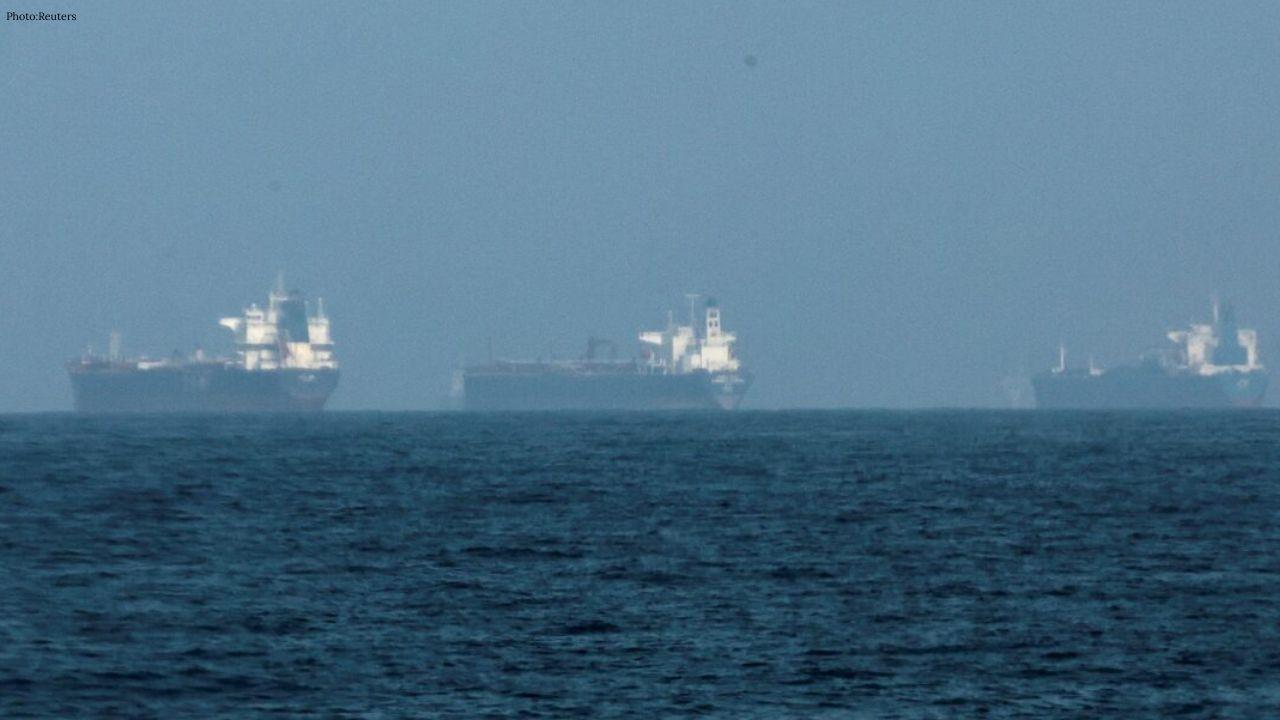
The latest crisis is unfolding against a much broader backdrop of instability across the Middle East. The Yemen conflict is now intersecting with tensions involving Saudi Arabia, Iran and the wider Gulf region. At the same time, attacks and military operations around major shipping routes have raised concerns about global energy supplies and international trade. The Bab al-Mandeb Strait and the Red Sea are particularly important because they connect major international shipping routes between the Indian Ocean and the Mediterranean. Any prolonged disruption could affect shipping costs, energy markets and international supply chains. The latest Houthi attacks have therefore attracted attention well beyond Saudi Arabia and Yemen. Analysts and regional officials are increasingly concerned that what began as a localized confrontation could develop into a broader regional crisis.
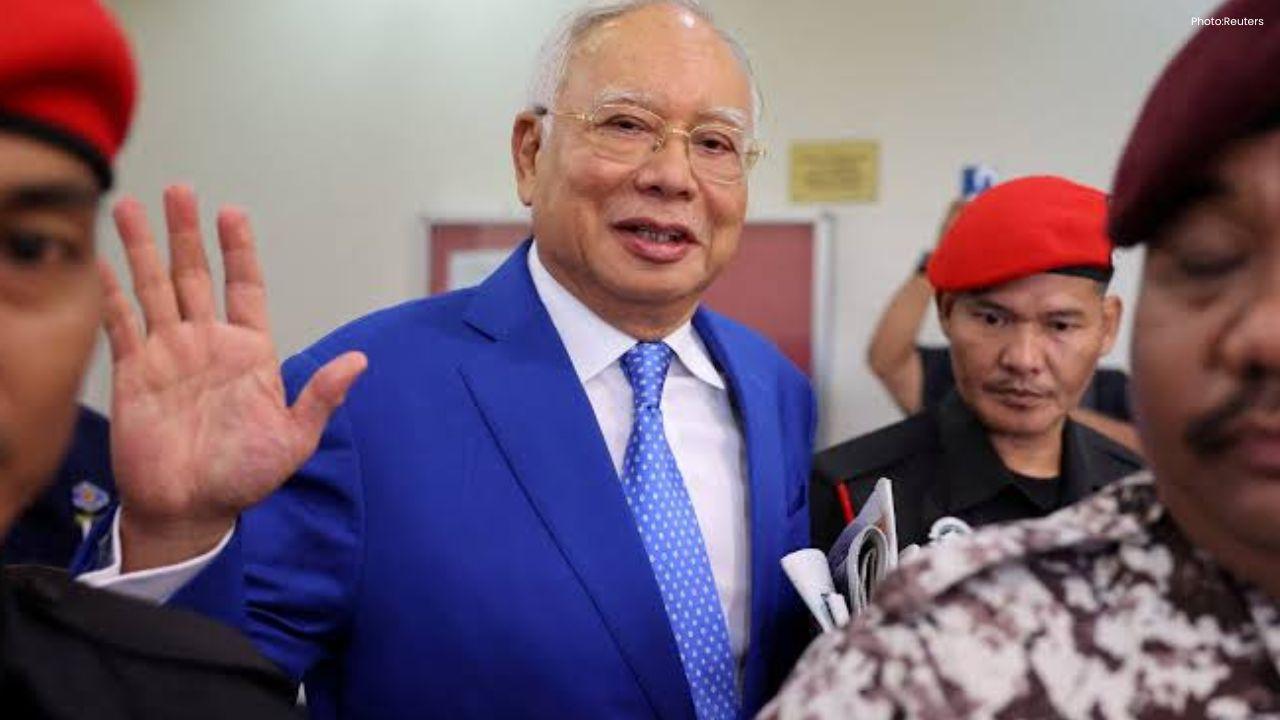
Read Also: Resign if Najib Is Pardoned, KL DAP Leader Tells Cabinet Members
Pakistan's potential involvement is significant because of its longstanding military relationship with Saudi Arabia. Islamabad and Riyadh have maintained close defence cooperation for decades, including military training and security coordination. Pakistan has also previously deployed personnel to Saudi Arabia for training and advisory roles. At the same time, Pakistan shares a border with Iran and has strong economic, security and diplomatic interests in maintaining stable relations with Tehran. This leaves Islamabad facing a difficult strategic balancing act. Supporting Saudi Arabia too aggressively could damage relations with Iran, while failing to respond to attacks on Saudi territory could create questions about Pakistan's commitments under its defence arrangements with Riyadh.
At present, there is no confirmed announcement that Pakistan has decided to launch airstrikes inside Yemen. The possibility is being discussed because of the increasing Houthi attacks on Saudi Arabia and the language surrounding the Mecca Defence Pact. However, Pakistani officials have continued to emphasize defence and the protection of Saudi territory rather than participation in offensive operations inside Yemen. The next phase will likely depend on whether Houthi attacks against Saudi Arabia continue and whether Riyadh formally requests greater military assistance from Islamabad. If attacks remain limited, Pakistan may continue its diplomatic efforts.







Samsung Prepares for Apple’s Foldable iPhone Challenge in Global Market
Samsung faces Apple’s $1,999 foldable iPhone as the foldable phone market heats up, with Samsung Gal

Kimi Raikkonen's Son Robin Joins Red Bull Driver Development Programme
Kimi Raikkonen's son Robin joins the Red Bull Junior Team, marking a major step in his karting caree

Lionel Messi Agrees Deal to Buy Spanish Second-Tier Club Eldense
Lionel Messi agrees to buy Spanish club Eldense as he expands his football ownership portfolio with
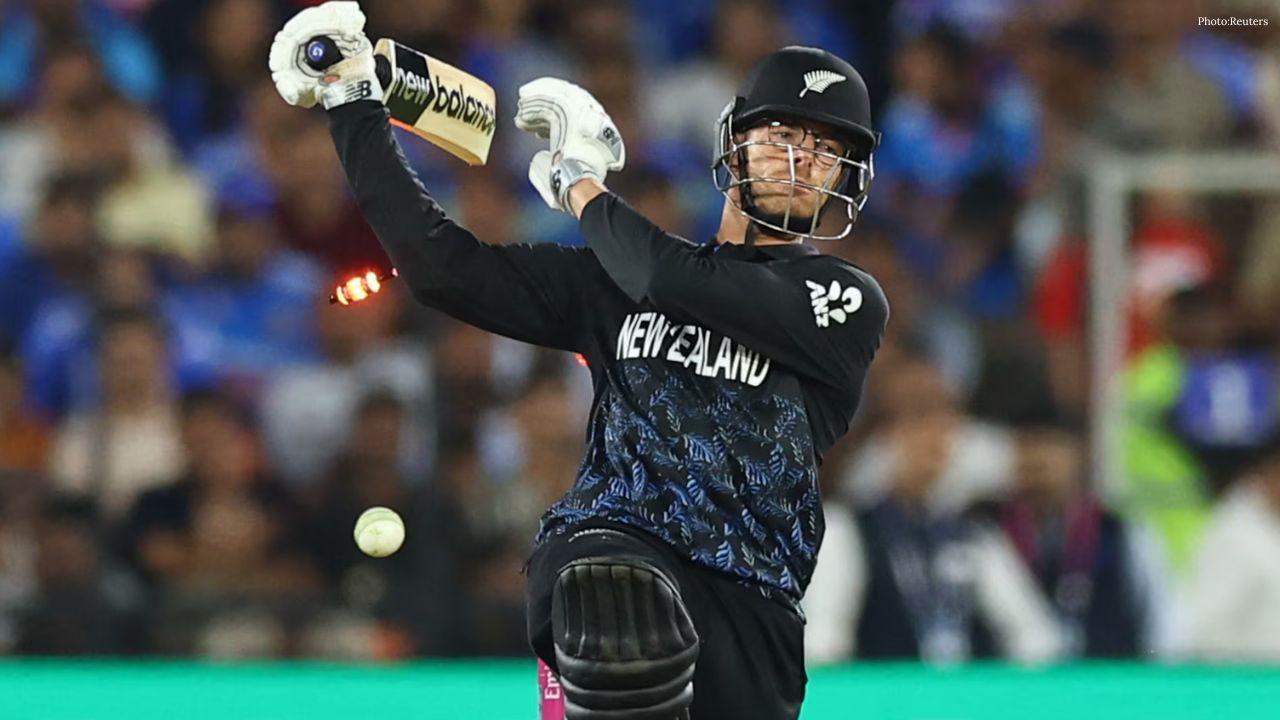
Santner rejects BBL deal to focus on New Zealand schedule
Mitchell Santner rejects a lucrative BBL deal to focus on New Zealand cricket, captaincy and upcomin

New Zealand Focus on Discipline After South Africa Loss
New Zealand targets better discipline and defence after losing to South Africa, with the All Blacks

Joe Root Welcomes Kevin Pietersen's Return to England Setup
Joe Root welcomes Kevin Pietersen's return to the England team as a mentor ahead of the 2027 World C