You have not yet added any article to your bookmarks!
Join 10k+ people to get notified about new posts, news and tips.
Do not worry we don't spam!
Post by : Meena Ariff
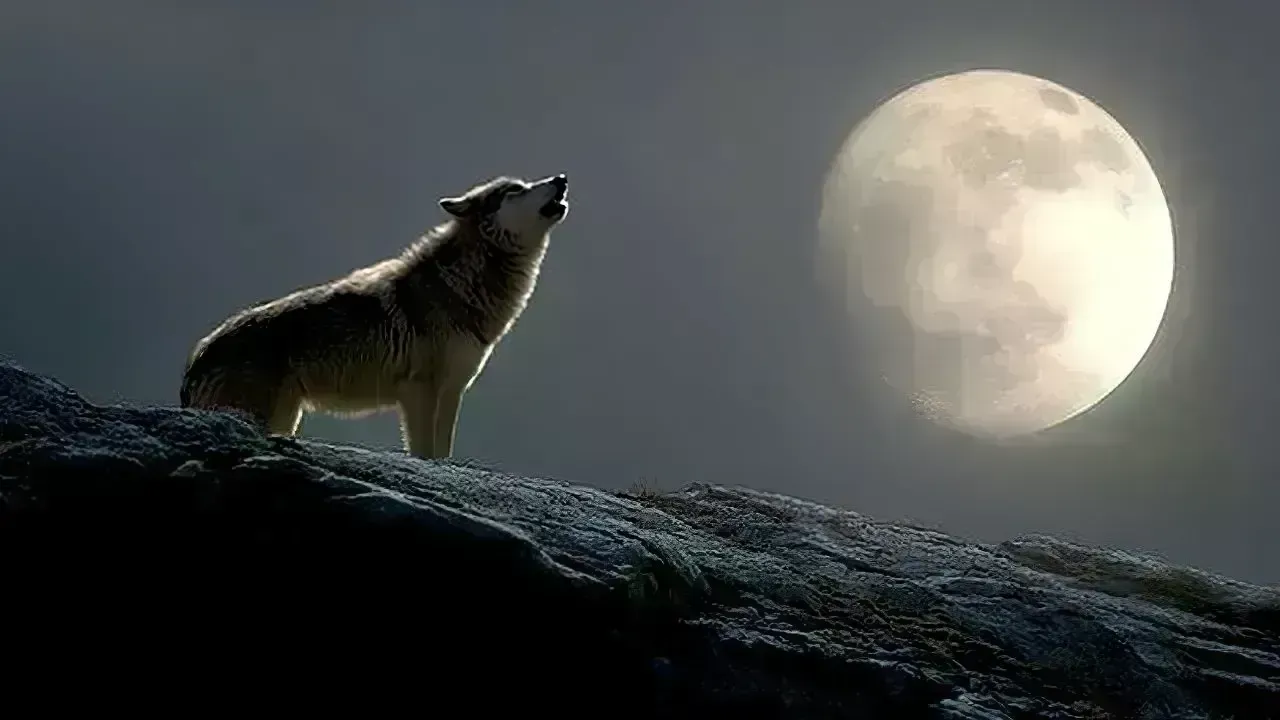
Tonight, the sky will be illuminated by a remarkable sight—the first full moon of 2026, known as Paush Purnima. This full moon is popularly called the ‘Wolf Moon,’ a name rich in history and natural significance. Celebrated by skywatchers and astronomers alike, the Wolf Moon promises to dazzle with its brightness and size, marking an enchanting start to the new year.
Why Is It Called the ‘Wolf Moon’?
The name ‘Wolf Moon’ dates back centuries to ancient times when winters were harsh and unforgiving. During the cold January nights, people often stayed indoors to escape the freezing temperatures. Meanwhile, the eerie howling of wolves echoed through the silent, snowy forests. These haunting sounds inspired the name ‘Wolf Moon’ for the January full moon, connecting this lunar phase with the wildness and chill of winter.
Astronomical Significance: Earth’s Closest Approach to the Sun
On the night of Paush Purnima, Earth reaches its closest point to the Sun, a position astronomers call perihelion. This event is scheduled around 10:45 PM Indian Standard Time (IST). At this time, the Earth is approximately 147 million kilometers from the Sun—the shortest distance in its yearly orbit.
This proximity has a stunning effect on the full moon, making it appear larger and brighter than usual. This phenomenon is often called a supermoon, and it offers a breathtaking spectacle visible to the naked eye. The Wolf Moon tonight will be one of the brightest and most impressive full moons of the year.
Moonrise and Moonset Times
Moonrise: 5:49 PM (January 3, 2026)
Moonset: 8:00 AM (January 4, 2026)
These timings give skywatchers plenty of opportunity to enjoy the lunar display. From early evening through to the next morning, the full moon will light up the sky, creating perfect conditions for moon-gazing.
The Wolf Moon: A Symbol of Nature’s Wonders
The Wolf Moon not only marks the first full moon of the year but also serves as a powerful symbol of nature’s rhythms and mysteries. Its bright, glowing presence on a cold January night reminds us of the connection between the cosmos and life on Earth.










PSG Coach Luis Enrique Urges Players to Step Outside Comfort Zone
PSG coach Luis Enrique says players must leave their comfort zone and keep improving as the club tar

China’s Tiangong Sets New 400m Record at Robot Olympics
China’s Tiangong robot sets a new 400m record at the Robot Olympics, beating a South African robot i

George Russell Wins Dutch GP Sprint, Boosts Mercedes Morale
George Russell wins the Dutch GP Sprint from pole as Mercedes teammate Kimi Antonelli extends his F1

Australia 50/3 After Bangladesh Bowled Out for 64 in Second Test
Australia reached 50/3 after Bangladesh were bowled out for 64 in the second Test, with Mitchell Sta

Jordan Burroughs Returns to Wrestling with 2028 Olympic Dream
Jordan Burroughs returns to wrestling with Real American Freestyle as the Olympic champion eyes a po

Lamborghini Catches Fire on Singapore's ECP, Causing Heavy Traffic
A Lamborghini caught fire on Singapore's ECP, causing heavy traffic and bus delays. No injuries were