You have not yet added any article to your bookmarks!
Join 10k+ people to get notified about new posts, news and tips.
Do not worry we don't spam!
Post by : Saif Rahman
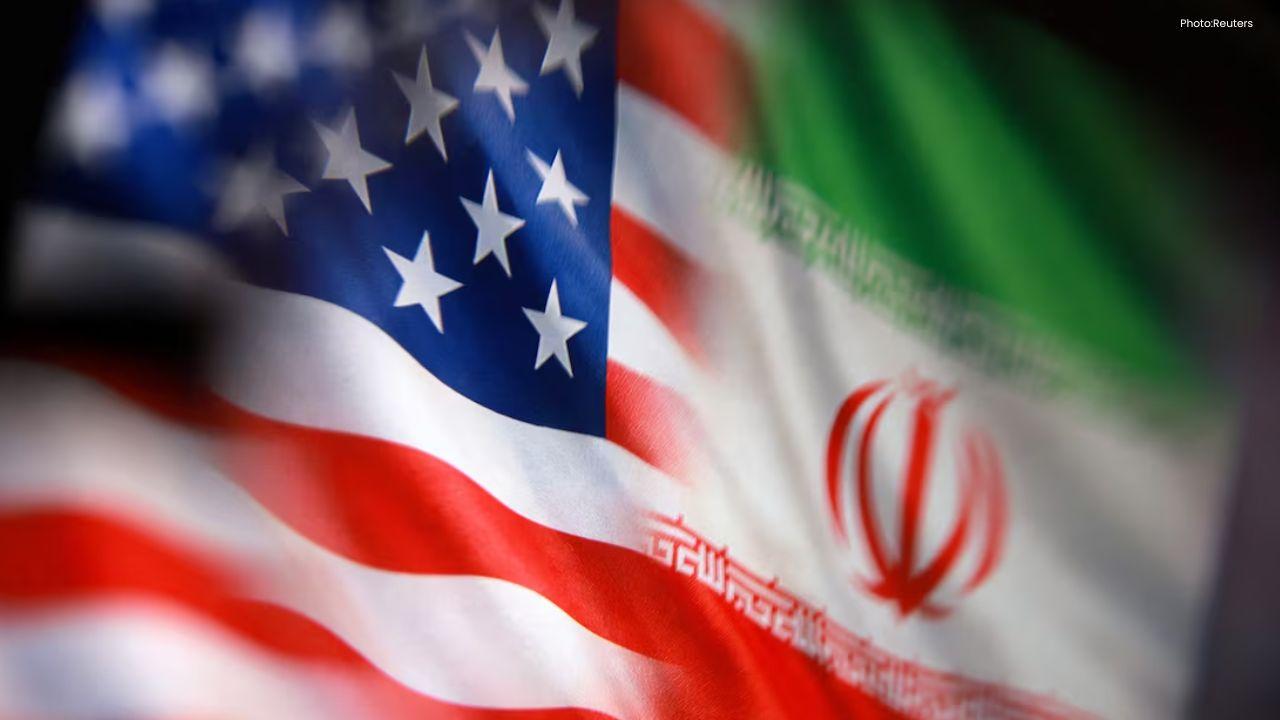
Colombia finds itself at a pivotal diplomatic crossroads following a public showdown between President Gustavo Petro and U.S. President Donald Trump regarding the U.S. engagement in Venezuela. This dispute has positioned Colombia, traditionally a loyal ally of the U.S., in a difficult spot, caught between upholding its sovereignty and maintaining strong relations with the United States.
President Petro expressed grave concern after U.S. forces apprehended Venezuelan President Nicolás Maduro, labeling it a profound violation of Latin American autonomy and likening it to some of history's darkest episodes. His remarks stand as some of the most vehement criticisms leveled against the Trump administration's actions by any global leader.
The alliance between Colombia and the U.S. has been significant for decades, primarily focusing on combating drug trafficking, undermining armed insurgencies, and fostering rural development. Over two decades, the U.S. has injected billions into military and economic support for Colombia, underlining the importance of this partnership for both nations.
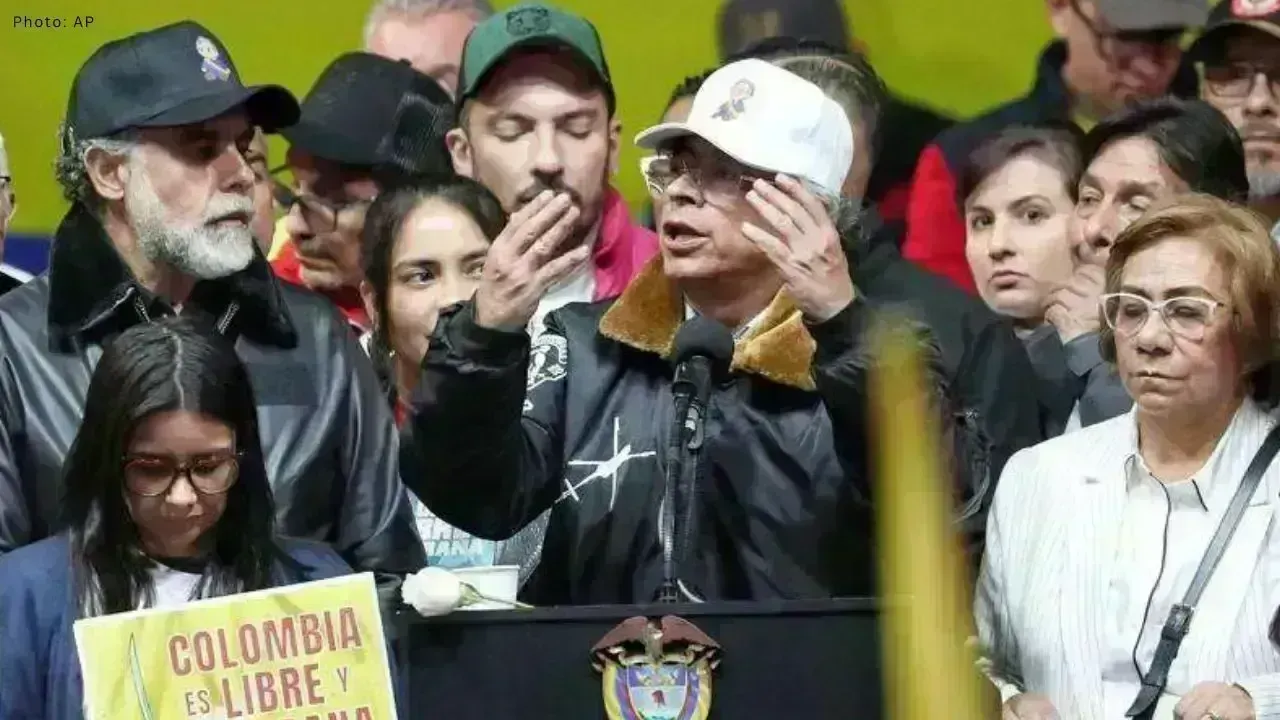
Concerns escalated quickly when Trump commented that a U.S. military operation in Colombia “sounds good,” triggering alarm among Colombians. In reaction, Petro urged for public protests to uphold Colombia’s independence, leading thousands to gather in plazas, voicing their support for sovereignty and peace.
An unexpected development occurred when Petro remarked before a crowd in Bogotá about a friendly phone conversation with Trump. He indicated that he had adjusted his rhetoric following this interaction, reiterating to Trump his commitment to tackle drug trafficking while advocating for direct dialogue between their administrations.
Trump later acknowledged the call, expressing his appreciation and inviting Petro to the White House. This quick reversal highlights how rapidly diplomatic relations can pivot when both parties seek to de-escalate tensions.
Despite the eased rhetoric, the risks remain substantial. Colombia's dependence on U.S. support in combating drug cartels and insurgent factions is significant. Concurrently, Petro endeavors to position himself as a leader resisting external pressures, a stance that resonates with many voters as elections approach.
Petro and Trump have frequently clashed recently, with Petro criticizing U.S. immigration strategies, addressing U.S. actions in Gaza, and questioning American military interventions. In response, Trump has unleashed personal attacks, imposed sanctions, and made threats regarding aid cuts and tariffs.
This high-stakes rivalry has raised alarms among Colombian officials. While Petro vocally champions sovereignty, his administration is simultaneously seeking to reassure U.S. security agencies that the collaboration on drug control persists. National defense and foreign affairs representatives have underscored the necessity of dialogue and the importance of preventing escalation.
Experts indicate that a military action by the U.S. against Colombia is improbable, given its democratic structure and robust institutions. Yet, Trump's aggressive rhetoric has induced anxiety, compelling Colombia to brace for worst-case scenarios while still advocating for diplomatic channels.
Ultimately, Colombia is treading a complicated path. Petro aims to safeguard national pride and solidify his political legacy, but the nation cannot afford to jeopardize its primary security ally. The recent exchange between Petro and Trump mitigated immediate tensions, yet this episode illustrates the precarious nature of their relationship.
As Petro conveyed to his supporters post-discussion with Trump, dialogue is paramount for peace. For now, Colombia may breathe a sigh of relief, but the intertwining challenges of principle, politics, and partnership loom large.


China’s Tiangong Sets New 400m Record at Robot Olympics
China’s Tiangong robot sets a new 400m record at the Robot Olympics, beating a South African robot i

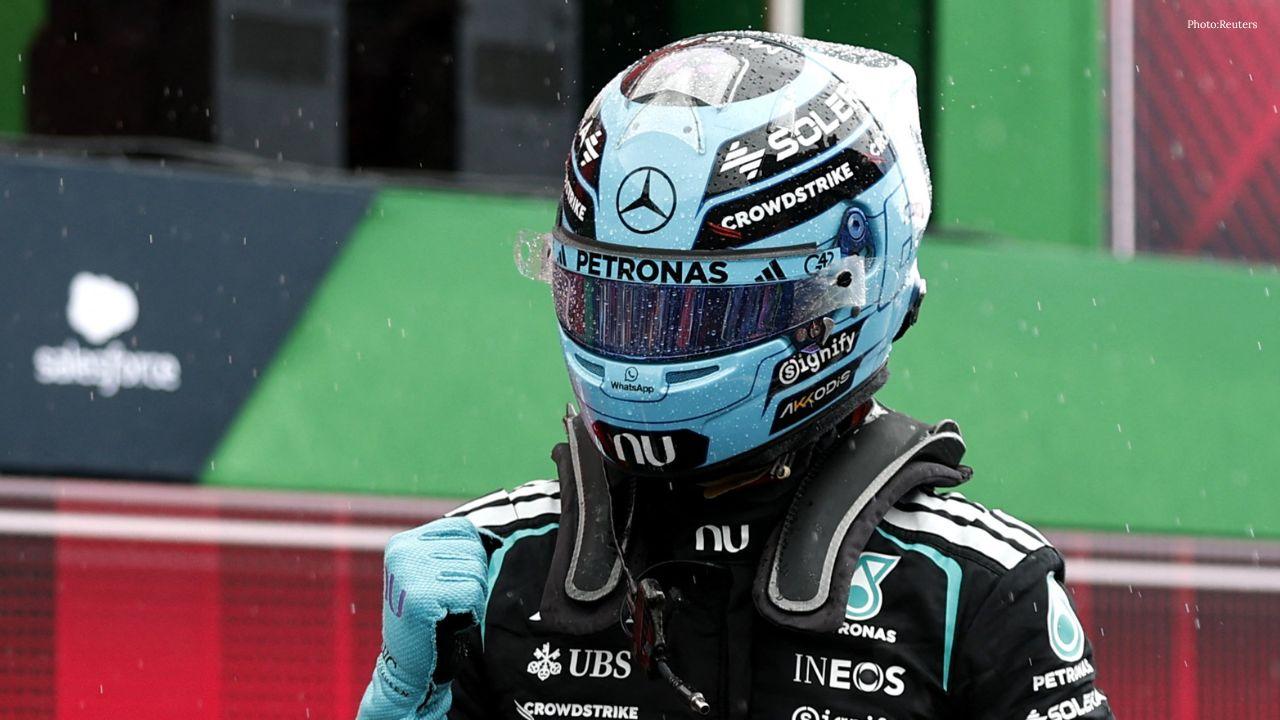
George Russell Wins Dutch GP Sprint, Boosts Mercedes Morale
George Russell wins the Dutch GP Sprint from pole as Mercedes teammate Kimi Antonelli extends his F1

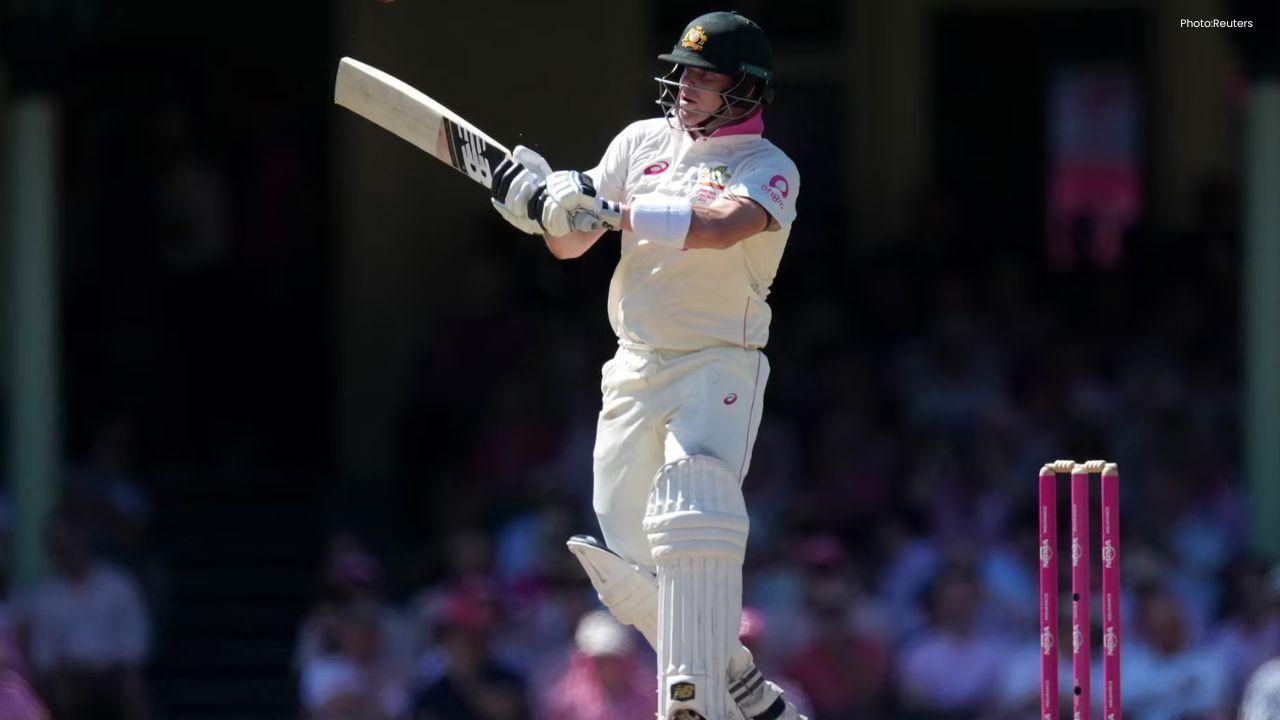
Australia 50/3 After Bangladesh Bowled Out for 64 in Second Test
Australia reached 50/3 after Bangladesh were bowled out for 64 in the second Test, with Mitchell Sta
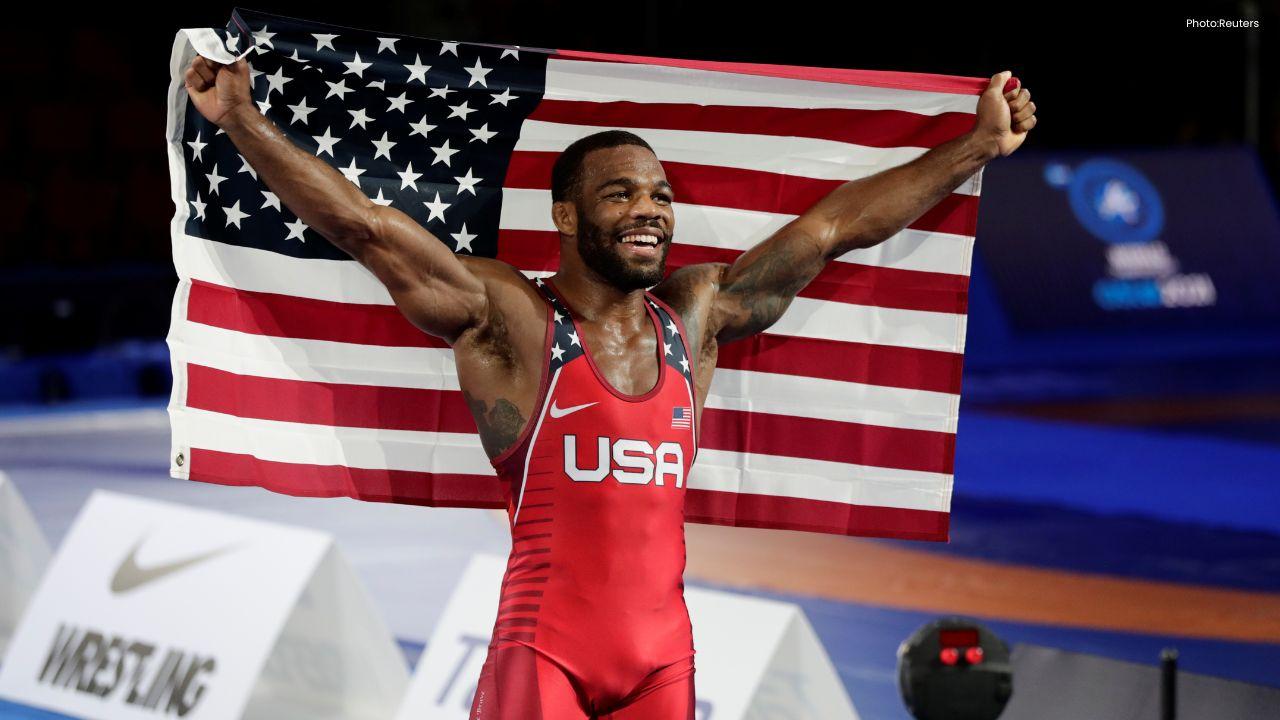
Jordan Burroughs Returns to Wrestling with 2028 Olympic Dream
Jordan Burroughs returns to wrestling with Real American Freestyle as the Olympic champion eyes a po
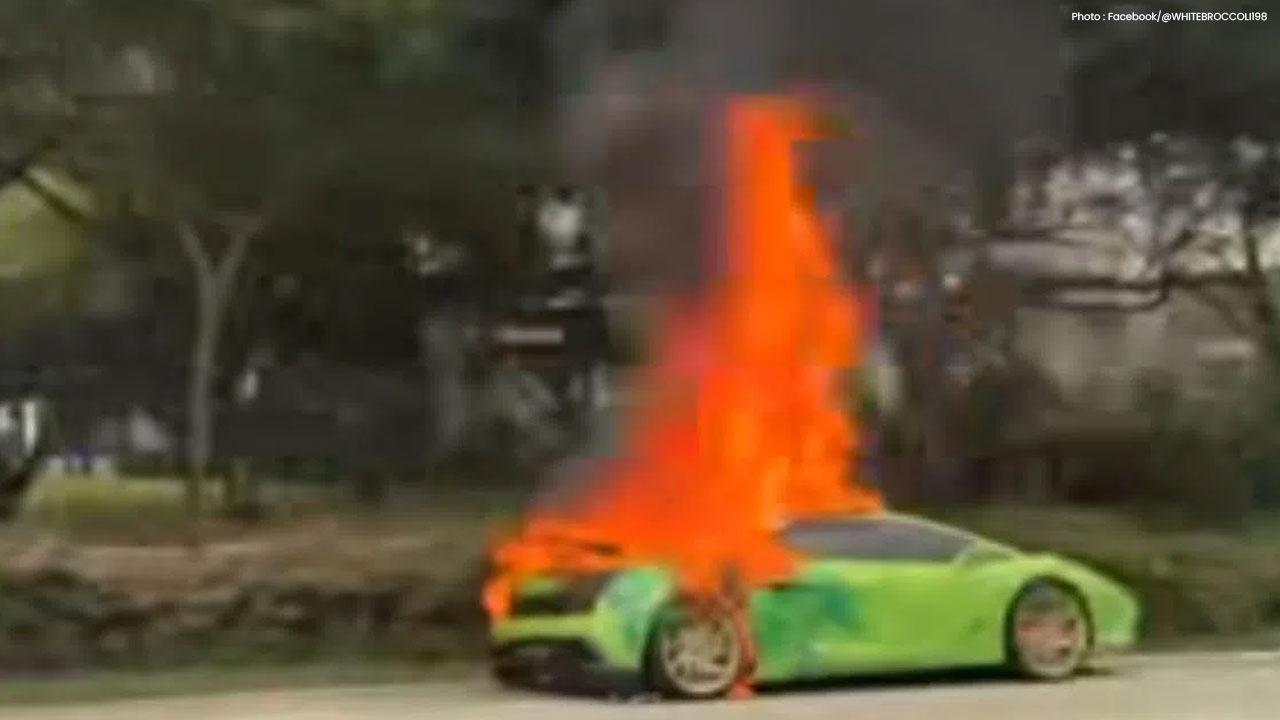
Lamborghini Catches Fire on Singapore's ECP, Causing Heavy Traffic
A Lamborghini caught fire on Singapore's ECP, causing heavy traffic and bus delays. No injuries were

Bangkok Airport Duty-Free Area Flooded by Pipe Burst
A burst water pipe flooded the duty-free shopping area at Bangkok's Suvarnabhumi Airport on July 16,