
You have not yet added any article to your bookmarks!
Join 10k+ people to get notified about new posts, news and tips.
Do not worry we don't spam!
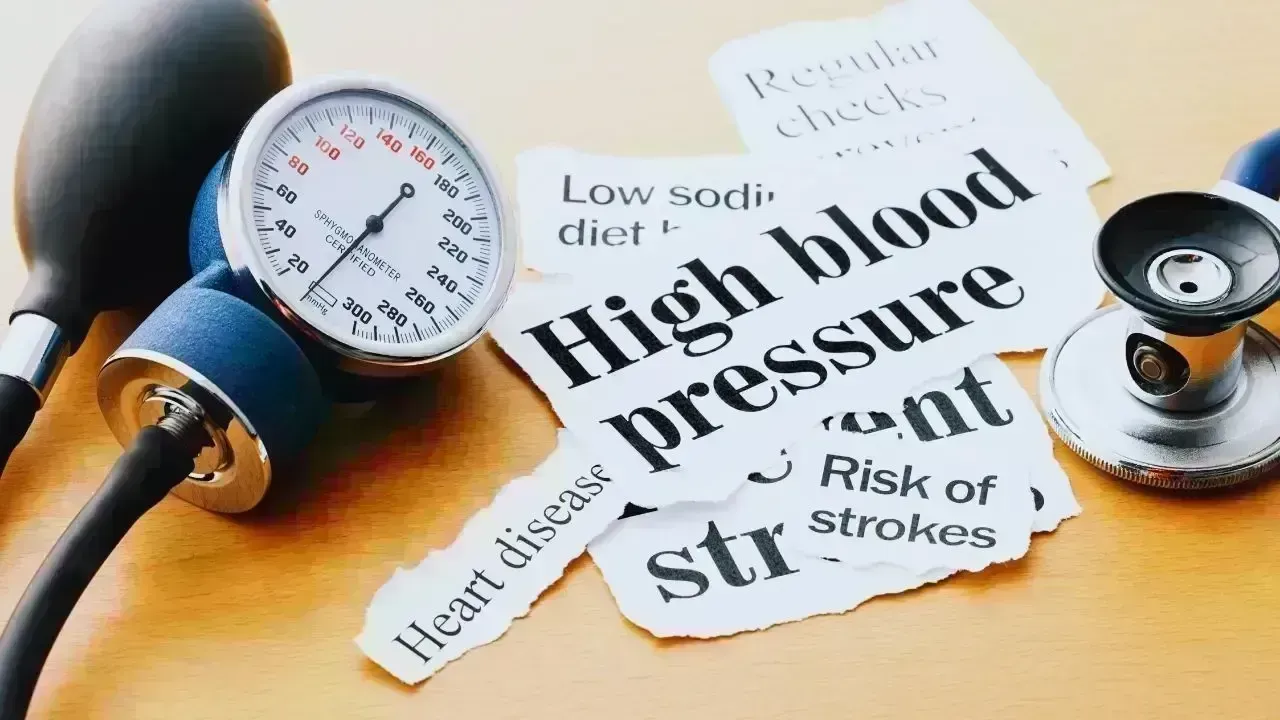
Post by : Anis Farhan
High blood pressure remains one of the most misunderstood health issues globally. Many associate illness with pain or overt symptoms, yet hypertension operates quietly, inflicting damage day after day on vital organs like the heart, kidneys, and brain.
Numerous individuals feel well even as their health deteriorates beneath the surface. Often, noticeable signs like headaches or fatigue appear only after years of sustained high blood pressure. The silent nature of hypertension complicates timely diagnoses; it's not fear that leads to delayed understanding, but a false sense of security.
Regular blood pressure screenings are pivotal, but they only capture a single moment in time and frequently miss the bigger picture of long-term risks.
Blood pressure readings taken in a clinical setting represent a snapshot influenced by various factors, including stress and conversation. Consequently, patients may present with normal readings during their appointments yet experience significantly elevated pressures in everyday situations.
This situation creates a perilous illusion—normal results can give rise to unwarranted reassurance, leading to delays in seeking further evaluation.
Some patients suffer from 'masked hypertension,' where readings appear normal in clinical settings but are high during routine activities, while others exhibit 'white coat hypertension,' experiencing temporary spikes solely due to the clinical environment.
The breakthrough imaging scan does more than measure pressure; it assesses the condition of blood vessels. Instead of focusing solely on how forcefully blood is flowing, it examines damage already in progress. This scan detects early signs of thickened arterial walls, alterations in elasticity, and abnormal blood flow patterns far before symptoms surface.
Even if current readings seem acceptable, the presence of narrowed or hardened arteries indicates long-term strain on the body. Importantly, this scan complements traditional blood pressure assessments rather than replacing them.
Blood pressure sees daily variations, but once arteries become damaged, they do not revert to healthy states overnight. As arterial stiffness increases, circulation worsens, creating a vicious cycle. Early identification of arterial damage allows healthcare professionals to intervene proactively.
Prompt detection translates to:
While blood pressure readings fluctuate, the consequences of arterial damage persist.
The human body is adept at concealing health issues. Arteries adapt, the heart compensates, and organs adjust—all while hypertension progresses discreetly. Symptoms generally arise only when a complication occurs, such as a blood vessel rupture or heart impairment.
This innovative scan is particularly beneficial for individuals at heightened risk who are unaware of their condition, including those with a family history of heart disease, obesity, sedentary lifestyles, and chronic stress.
Healthcare is gradually transitioning from reactive medicine to preventive approaches. This scan showcases a significant change in how the medical community addresses risk before disease onset.
In future health evaluations, patients might undergo a comprehensive set of assessments, incorporating not only blood pressure readings but also vascular imaging, cholesterol levels, and heart rhythm analysis.
Despite advances in technology, integration into regular clinical practice may lag. Many clinics might lack access to these innovative tools, which necessitates cautious adoption.
Widespread use of this imaging scan could potentially lower the incidence of heart-related fatalities globally by enabling early interventions for hypertensive individuals.
Hypertension typically delivers no warning signs. This new scanning technology, projecting to identify hidden damage, represents a significant leap in preventive healthcare, emphasizing the importance of early detection and awareness.
DISCLAIMER
This article serves informational purposes only and should not be considered medical advice. Consult healthcare professionals before undergoing any medical tests.









Jacob Bethell Returns as England Name Squads for Australia Tour
England name ODI and T20 squads for the Australia tour, with Jacob Bethell returning from injury and

Beauden Barrett Opens Up About Mental Struggles During All Blacks Exile
Beauden Barrett discusses his confidence struggles after missing six tests, his return against Austr

IMF Says AI Investment Supports Global Growth Despite Energy Shock
IMF says AI investment is supporting global growth near 3%, with Asian economies benefiting from ris

Will O'Rourke Ruled Out of New Zealand's India Series
New Zealand fast bowler Will O'Rourke will miss the India series with hamstring and calf injuries as

AI Companies Expected to Drive Most US Earnings Growth in Q3
AI companies are expected to drive US third-quarter earnings growth as investors assess tech profits

Money Market Funds See Record Inflows as Global Bond Selloff Intensifies
Global money market funds attract $153.81 billion as bond yields rise, inflation fears persist and i

