You have not yet added any article to your bookmarks!
Join 10k+ people to get notified about new posts, news and tips.
Do not worry we don't spam!
Post by : Anis Farhan
The landscape of healthcare in India is shifting dramatically. In the past, families sought medical attention only when faced with illness. Today, however, a proactive approach is gaining traction—preventive health at home. This emerging trend reflects significant cultural changes marked by heightened awareness, updated priorities, and an appetite for sustainable wellness.
Preventive care is becoming integral to modern wellness routines in India. Households are increasingly focused on recognizing early health indicators, monitoring vital signs, appreciating risk factors, and creating daily habits that help ward off chronic diseases. With the rise of lifestyle-related health issues, this shift toward prevention is essential for overall wellbeing.
Despite these advancements, the transition remains inconsistent between urban and rural areas. Urban populations are quickly adopting home health technologies and digital wellness platforms, while rural communities face challenges in access, affordability, and awareness. Understanding these disparities is vital for shaping India's future healthcare landscape.
Preventive care has transcended from an abstract notion to a concrete part of daily living, influencing the behaviors and attitudes of millions.
In prior years, health check-ups typically took place in clinics or hospitals, often postponed due to time or cost. Now there is a significant movement towards at-home screening.
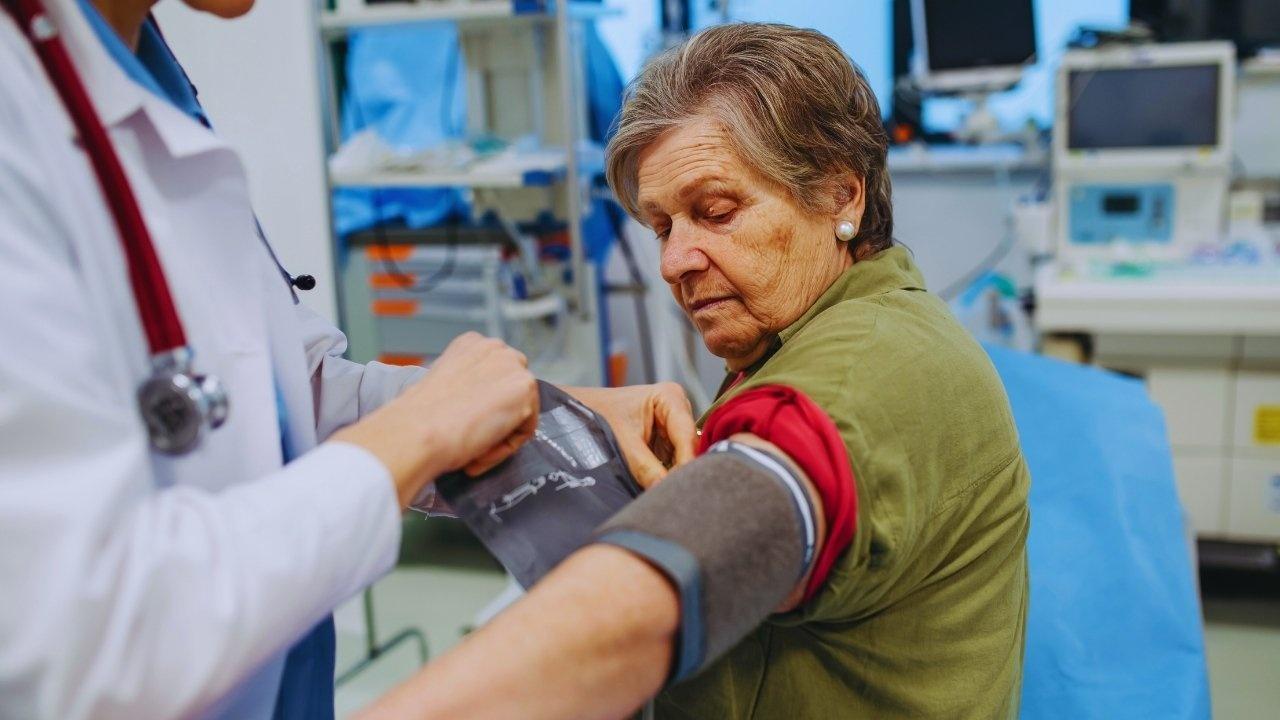
Accessible, affordable screening devices such as blood-pressure monitors, glucose meters, pulse oximeters, ECG patches, and sleep trackers have become commonplace. These tools empower individuals to monitor their health metrics in real time from the comfort of their homes.
Early diagnosis is crucial when managing chronic conditions like diabetes, heart disease, and hypertension, which often present silently. Home screenings enable families to stay informed and take preventative action early.
The reduction in costs of these technologies, made possible by heightened competition in the health-tech market, has significantly broadened access for middle-class families.
These devices have become essential in many households, symbolizing a societal shift towards self-awareness and responsibility regarding health.
With the surge in lifestyle-related illnesses driven by factors like sedentary lifestyles, poor diets, and pollution, preventive health initiatives are critical. These efforts encourage continuous health monitoring rather than reactive treatment.
Increasing medical costs associated with hospitalization have made early detection even more appealing. Recognizing that individual choices play a crucial role in health management further highlights the necessity of preventive practices.
By empowering individuals to take charge of their health, preventive care offers a proactive approach to wellness, often long before serious health issues emerge.
Preventive health transcends the mere use of monitoring devices; it is intricately linked to daily habits. By 2025, numerous Indian families will actively cultivate routines that bolster resilience and prioritize health. These practices are essential for sustaining wellness and moving preventive health from theory to reality.
Consistency is key. Growing recognition that health stems from simple daily routines—such as morning walks, yoga, mindful eating, and adequate hydration—is becoming prevalent. Such practices mitigate stress and enhance overall vitality.
Nutrition has also taken center stage. Families are gravitating towards home-cooked meals, fresh produce, and balanced diets, moving away from processed foods and sugary snacks. The kitchen is increasingly viewed as a first line of defense for health.
Equally important are sleep habits. Maintaining a regular sleep schedule and minimizing late-night screen time supports overall well-being. Mental health practices like journaling and meditation are gaining traction for their ability to enhance emotional resilience.
Physical fitness is increasingly prioritized, with many opting for manageable at-home workouts rather than costly gym memberships. These sustainable actions foster long-term health, marking a shift toward daily healthy living.
The digital revolution is making strides in healthcare, with numerous apps allowing families to track vital signs, manage treatments, ensure fitness regimens, and analyze lifestyle patterns.
Remote medical consultations are becoming a regular occurrence, particularly beneficial for the elderly and those with mobility issues. Personalized digital health records and insights from advanced tech can significantly enhance preventive care engagement.
With access to data, individuals can gain profound insights into their overall health, enabling informed decisions based on factors like blood pressure fluctuations, glucose variability, and stress levels.
Digital health tools complement medical professionals’ expertise, bolstering preventive strategies and encouraging sustained health engagement.
Despite positive trends, India still grapples with the rural-urban inequality in health care—urban centers have accepted at-home health tools, yet rural areas confront continuous challenges.
Infrastructure remains a major hurdle. Many rural regions lack sufficient clinics and trained health personnel, making even basic screenings like blood pressure checks sporadic.
Awareness is another barrier; preventive health ideas are not commonly recognized in rural communities, often leading people to seek care only when symptoms intensify. Limited health education further complicates access to early intervention.
Finally, while devices have become more affordable, resource-limited rural households may still find them financially prohibitive; immediate needs often eclipse long-term health investments.
However, progress is underway. Government and non-profit initiatives are improving awareness, while community health workers are being equipped to carry out screenings and educate families. Telehealth is gradually connecting remote locales with healthcare providers.
While the gap between urban and rural access is gradually narrowing, persistent efforts are necessary to ensure that preventive care is accessible to every household.
There is a quiet revolution taking place in Indian households. Preventive health routines are no longer solitary pursuits; they are now collective family endeavors.
Parents motivate children to adopt beneficial habits early. Older relatives receive more attention for chronic conditions. Professionals integrate wellness into their busy lives, recognizing the impact of stress on health, while homemakers are now diligent about regular health evaluations.
Health discussions are becoming normalized within families, fostering a bond as they share information, push one another toward healthier choices, and embrace practices that nurture long-term wellbeing.
Preventive health has transitioned into a shared family commitment rather than merely an individual task.
Adopting preventive healthcare reduces medical costs linked to serious illnesses and hospital admissions. Families that monitor their health can identify issues early, leading to simpler and less expensive treatment paths.
Well-managed long-term conditions decrease the financial burden of ongoing medication, while healthy lifestyle choices significantly lower the likelihood of costly medical interventions.
Insurance providers are also beginning to appreciate this shift, with some offering financial incentives for proactive health practices, further encouraging the preventive care movement.
India's healthcare journey stands at a pivotal moment. Preventive health at home is more than a mere trend; it is reshaping how wellness is perceived and approached. The coming years will spotlight daily habits, early diagnosis, digital health monitoring, accessible resources, and a growing awareness of health across demographics.
The primary challenges ahead involve closing the rural-urban gap, making health tools more financially accessible, boosting digital engagement, enhancing health education, and ensuring communities are consistently supported in their preventive health efforts.
Preventive care is not a fleeting response to emerging health challenges; it is laying the groundwork for the future of healthcare.
By adopting small, consistent habits, regularly monitoring their health, and appreciating the power of early intervention, India can collectively advance toward enhanced and sustainable wellness.
The transformation of preventive healthcare at home marks a significant shift in India's wellness culture. With affordable screenings, habit formation, digital solutions, and heightened awareness, individuals are redefining their health management. Although challenges remain, especially between urban and rural settings, progress across the nation demonstrates India's commitment to proactive wellness.
This movement is crucial, not only for individual health outcomes but also for the overall resilience of the nation’s health system. Preventive health at home will continue to steer India towards a future where wellness is a daily, intentional practice.
This article aims to inform and is not intended as a substitute for professional medical advice. For personalized health guidance, consult certified health practitioners.








Spain's Diego Poncelet Sets Skateboarding World Speed Record
Spain's Diego Poncelet reaches 151.83 km/h in a record-breaking downhill skateboard run in Canada, s

Hyundai Recalls 94,622 US Vehicles Over Potential Fire Risk
Hyundai recalls 94,622 US vehicles over overheating seat motors. Check affected Genesis models, fire

Nvidia Pledges $250 Million for UK AI Safety Research
Nvidia will provide $250 million in computing resources over five years to support AI safety researc

Jacob Bethell Returns as England Name Squads for Australia Tour
England name ODI and T20 squads for the Australia tour, with Jacob Bethell returning from injury and

Beauden Barrett Opens Up About Mental Struggles During All Blacks Exile
Beauden Barrett discusses his confidence struggles after missing six tests, his return against Austr

IMF Says AI Investment Supports Global Growth Despite Energy Shock
IMF says AI investment is supporting global growth near 3%, with Asian economies benefiting from ris