You have not yet added any article to your bookmarks!
Join 10k+ people to get notified about new posts, news and tips.
Do not worry we don't spam!
Post by : Mikael Ariff
People once thought that getting sufficient sleep simply required an early bedtime and ample hours in bed. However, today’s fast-paced world, characterized by late-night digital distractions, work stress, and erratic routines, has led many to struggle with achieving restful sleep. Despite spending seven or more hours in bed, many still wake up feeling drained and lethargic.
Enter technology, the game-changer in sleep management. Wearable devices like smartwatches and fitness trackers, along with sleep-monitoring applications, enable users to monitor their sleep behaviors. They track metrics such as heart rate, body movements, breathing patterns, and sleep phases throughout the night. This data allows users to discern why they occasionally wake rejuvenated while on other days feel fatigued despite a full night’s sleep.
The core concept of smart sleep tracking is straightforward: understanding the effects on your sleep provides pathways for improvement.
Many individuals focus solely on hours spent sleeping, mistaking quantity for quality. However, a good night’s sleep is more about the holistic quality of your rest.
Smart devices can reveal:
The time it takes to fall asleep
Your distribution of deep, light, and REM sleep
Frequency of awakenings during the night
Restlessness throughout the night
Heart rate during rest
These insights enable you to identify sleep disruptors and recognize effector habits.
Sleep consists of various stages, each vital for rejuvenation:
Light sleep promotes relaxation.
Deep sleep aids bodily repair, boosts immunity, and restores energy.
REM sleep facilitates learning, memory retention, and emotional regulation.
Insufficient deep sleep can leave you feeling exhausted, while low REM sleep can hinder daytime concentration.
Sleep trackers monitor time spent in each phase, helping you pinpoint why certain nights are refreshing or draining even when total sleep hours are consistent.
Numerous sleep difficulties go unnoticed, as they manifest quietly. Smart devices can detect subtle indicators like:
Restlessness during sleep
Disruptions in breathing
Sudden heart rate spikes
Unremembered wake-ups
Minimal deep sleep duration
Such indicators can hint at stress, poor habits, or potential sleep disorders. Understanding these trends enables individuals to adopt better lifestyle choices or seek necessary medical advice.
The quality of your nightly sleep is deeply intertwined with your daytime activities. Smart devices help draw connections between daily behaviors and sleep outcomes.
For instance:
Late afternoon caffeine may impact deep sleep duration
Pre-bedtime screen time could diminish REM sleep
An evening stroll may facilitate quicker sleep onset
Elevated stress levels might heighten nighttime awakenings
Such insights empower individuals to establish healthier sleep routines without uncertainty.
Generic sleep wisdom often falls short, as sleep needs vary from person to person. Smart technologies utilize your data to offer personalized tips, including:
Optimal bedtime for your rhythm
Ideal room temperature
Recommended time to cease screen use
Best times to avoid heavy meals
When to hydrate more
Suggestions for breathing exercises
Making small adjustments based on these recommendations can significantly enhance sleep quality.
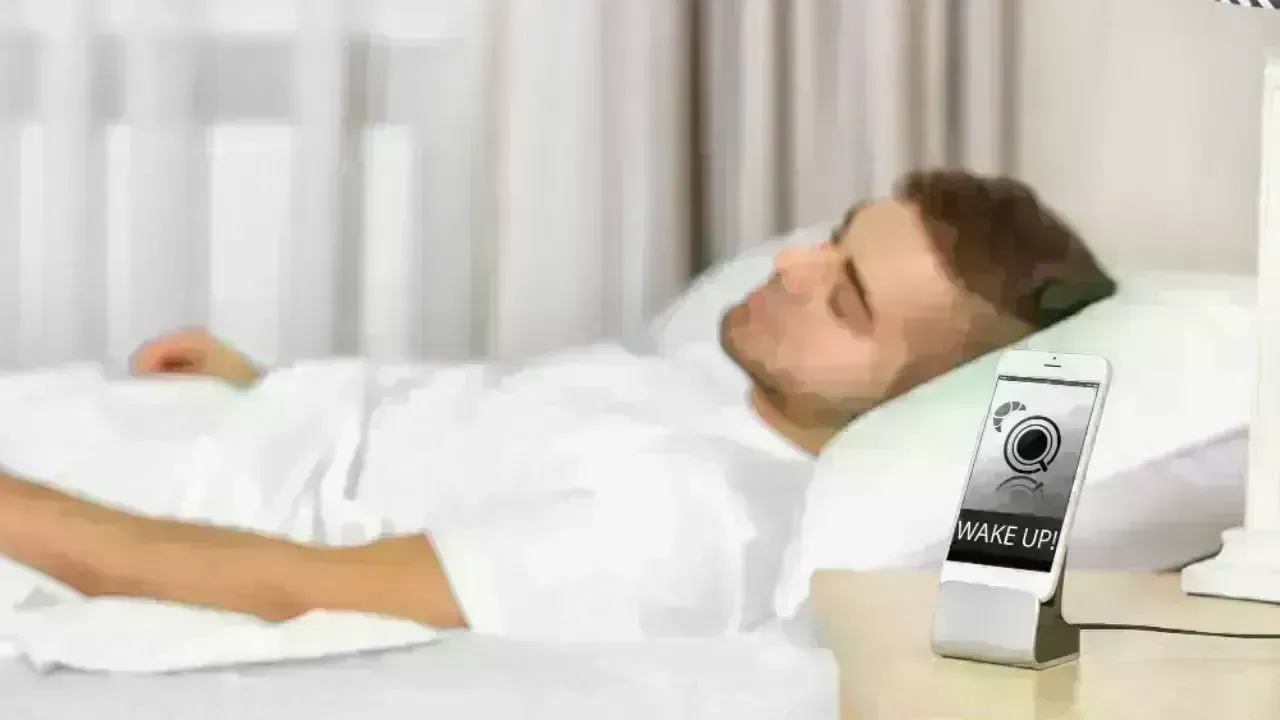
Conventional alarms often disrupt deep sleep by ringing at the same time daily, leading to groggy mornings. In contrast, innovative alarms monitor your sleep cycles and wake you during light sleep, ensuring gentler awakenings for a more positive start to your day.
Quality sleep permeates all aspects of our lives. Enhancing sleep can lead to:
Stronger immune function
Improved memory retention
Balanced emotional health
Healthy weight control
Enhanced cardiovascular health
Greater concentration and productivity
Sustained daytime energy
By grasping their sleep patterns, individuals organically develop better habits, leading to improved health outcomes.
The rapid advancement of technology promises that, in the near future, sleep devices may be able to:
Identify early signs of sleep disorders
Automate adjustments to room ambiance
Monitor stress-related changes
Recommend necessary vitamins or nutrients
Create comprehensive sleep strategies based on individual lifestyles
Connect users directly with healthcare providers for optimum advice
The future of sleep tracking is becoming progressively intelligent and personalized.
Quality sleep is now accessible. Through smart technologies, everyone can gain insights into their sleep dynamics and understand their waking feelings. These tools analyze sleep patterns, offer personalized guidance, and foster better behaviors.
Improving sleep doesn’t require complex interventions. With the aid of a single device and some healthy lifestyle alterations, achieving renewed nights is possible—leading to increased vitality, sharper focus, and enhanced physical and mental health.
This article serves only for general awareness. While smart sleep devices can provide insights into sleep patterns, they do not substitute for professional medical diagnosis. If you encounter persistent sleep issues, extreme fatigue, loud snoring, breath cessation, or trouble staying asleep, consulting a healthcare provider or certified sleep specialist is advised for thorough assessment and management.










Jacob Bethell Returns as England Name Squads for Australia Tour
England name ODI and T20 squads for the Australia tour, with Jacob Bethell returning from injury and

Beauden Barrett Opens Up About Mental Struggles During All Blacks Exile
Beauden Barrett discusses his confidence struggles after missing six tests, his return against Austr

IMF Says AI Investment Supports Global Growth Despite Energy Shock
IMF says AI investment is supporting global growth near 3%, with Asian economies benefiting from ris

Will O'Rourke Ruled Out of New Zealand's India Series
New Zealand fast bowler Will O'Rourke will miss the India series with hamstring and calf injuries as

AI Companies Expected to Drive Most US Earnings Growth in Q3
AI companies are expected to drive US third-quarter earnings growth as investors assess tech profits

Money Market Funds See Record Inflows as Global Bond Selloff Intensifies
Global money market funds attract $153.81 billion as bond yields rise, inflation fears persist and i