You have not yet added any article to your bookmarks!
Join 10k+ people to get notified about new posts, news and tips.
Do not worry we don't spam!
Post by : Anis Farhan
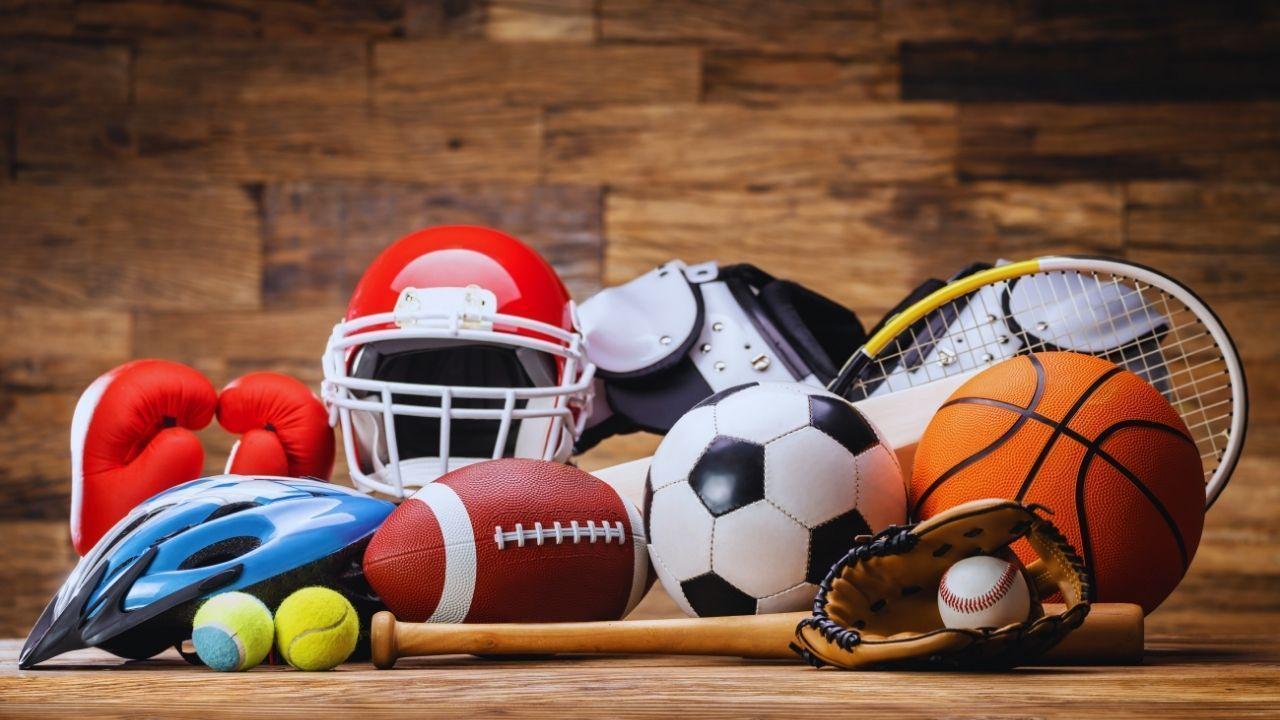
India’s sporting landscape is experiencing a major shift in 2025. Beyond cricket, which continues to dominate headlines, young athletes across multiple disciplines are breaking barriers, setting new records, and inspiring the next generation. From squash prodigies competing at global stages to javelin throwers carrying forward the legacy of Neeraj Chopra, the momentum is undeniable. This surge is not accidental—it reflects years of grassroots development, improved infrastructure, sports science interventions, and a society that increasingly celebrates athletic achievement outside cricket. The stories of these young talents are more than just victories; they embody determination, discipline, and a hunger to put India firmly on the global sports map.
At just 17, Anahat Singh has become a household name in squash. Her fearless style of play, tactical intelligence, and relentless training ethic have seen her win international junior titles and compete with seniors at the world level. Singh represents a generation of Indian squash players who are no longer content with regional recognition; they want to challenge the global elite.
Squash, long seen as a niche sport in India, is benefiting from improved coaching, exposure to international tournaments, and private academies. Anahat’s success is also inspiring more young girls to take up the sport, a significant development in a country where female participation in non-mainstream sports often lags behind.
Following in the footsteps of P.V. Sindhu and Saina Nehwal, Tanvi Sharma is emerging as one of India’s most promising badminton players. At just 15, she has already made her mark on the junior circuit with strong performances in Asian tournaments. Known for her agility, deceptive strokes, and calm presence under pressure, Tanvi is being groomed to carry India’s badminton legacy into the future.
Her progress reflects India’s growing dominance in badminton, thanks to specialized academies like Pullela Gopichand’s and increased government backing. As Sindhu nears the twilight of her career, talents like Tanvi ensure that India’s presence in global badminton remains strong.
India’s athletics scene has never been the same since Neeraj Chopra’s Olympic gold in 2021. His triumph not only brought glory but also fueled an entire generation’s interest in javelin throw. Himanshu Jakhar, a teenager from Haryana, is one of the brightest prospects emerging in 2025. Known for his strength, technique, and mental toughness, Jakhar has been consistently throwing distances that place him among Asia’s best juniors.
Jakhar’s rise is proof that Chopra’s influence extends beyond inspiration. Increased investment in athletics facilities, access to international coaches, and sports science support are helping nurture talents like him. The hope is that India may not have to wait decades for another global medal in javelin.
While squash, badminton, and athletics attract attention, India is also quietly making progress in less-highlighted sports. Young table tennis players such as Payas Jain and Suhana Saini are performing impressively in Asian championships. In fencing, following Bhavani Devi’s Tokyo Olympics breakthrough, several juniors are being trained with international exposure. Swimming too is gaining traction, with teenagers like Aneesh Gowda showing potential to make India competitive at larger platforms.
These developments underline a broader pattern—Indian sports is no longer confined to one or two disciplines. Instead, multiple sports are finding space to grow, each nurtured by young trailblazers.
The success of these athletes cannot be separated from structural improvements in India’s sports ecosystem. Government initiatives such as Khelo India and Target Olympic Podium Scheme (TOPS) have been crucial in identifying and supporting young talent. Training centers now focus on nutrition, mental conditioning, biomechanics, and injury prevention—areas once neglected.
Corporate sponsorship and private academies have also stepped in, bridging gaps that public programs alone cannot fill. This hybrid model ensures athletes receive world-class facilities while retaining grassroots accessibility. The combination is creating a fertile ground for young athletes to thrive.
Another crucial factor in the rise of young sports talent is visibility. Social media platforms allow young athletes to connect directly with fans, showcase training routines, and build personal brands. Unlike previous generations, today’s athletes can secure sponsorships earlier, giving them financial stability.
Media coverage has also diversified, with channels and digital platforms spotlighting sports beyond cricket. Events like the Asian Games, Youth Olympics, and World Championships are now closely followed, enabling young athletes to gain recognition much earlier in their careers.
Despite progress, young athletes in India face hurdles. Access to quality facilities remains uneven across rural and urban areas. Many athletes from smaller towns still struggle with limited exposure and financial constraints. Additionally, balancing academics with intensive training is a recurring challenge.
Sports governance also remains a concern, with bureaucratic delays and inconsistent support creating roadblocks. While private academies are filling some gaps, systemic reforms are still needed to ensure that talent from every corner of India has equal opportunities.
The rise of these young athletes signals a transformative era for Indian sports. Cricket will likely remain the most followed sport, but the growing ecosystem ensures that India will increasingly emerge as a multi-sport nation. With a blend of grassroots enthusiasm, institutional support, and global exposure, the next decade could see India becoming a powerhouse in disciplines once considered peripheral.
For the young stars themselves, the journey is just beginning. Their progress will depend on continued support, resilience against challenges, and their ability to adapt to international standards. But what is clear is this: the seeds of India’s sporting future have already been sown, and the next generation is ready to take the baton.
This article is for informational purposes only and highlights the rise of young Indian sports talents. Newsible Asia does not provide coaching or management services and is not affiliated with any of the athletes mentioned. Readers are encouraged to follow official sports federations for verified updates.









Danaher to Launch AI-Powered Autonomous Research Lab in 2027
Danaher plans an AI research lab for 2027, combining robotics and automation to speed up drug discov

Musk Welcomes German Support for Tesla Driver Assistance Tech as EU Approval Push Continues
Elon Musk welcomes Germany's backing for Tesla FSD as the company seeks EU approval amid speed, safe

Microsoft and Nvidia CEOs to Unveil AI Laptop at San Francisco Event
Microsoft and Nvidia showcase a new AI laptop with RTX Spark chips as they push powerful local AI co

Man to face charges over perfume thefts at Changi Airport
A 47-year-old man faces charges over perfume theft at Changi Airport after six items worth nearly S$

Google Signs 3.6-GW Power Deal With Constellation Energy in US
Google signs a 3.6-GW power deal with Constellation Energy, including nuclear power upgrades to supp

Harmanpreet Kaur Steps Down as India Captain Across All Formats
Harmanpreet Kaur steps down as India captain across all formats after a remarkable leadership journe