
You have not yet added any article to your bookmarks!
Join 10k+ people to get notified about new posts, news and tips.
Do not worry we don't spam!
Post by : Meena Ariff
A serious runway incident happened at Changi Airport when one plane had not completely left the runway while another plane was landing. This type of situation is called a runway incursion, and it can be very dangerous because planes need the runway area to be clear to land safely.
Understanding the Runway Strip
The runway strip at airports includes the main runway, where planes take off and land, and extra areas at each end called stopways. Stopways are designed to reduce the risk of damage if a plane overruns the runway while landing or taking off. At Changi, the runway strip extends 140 meters from the center of the runway. It also includes adjacent taxiways, which connect the runway to the airport terminals and other facilities.
What Happened
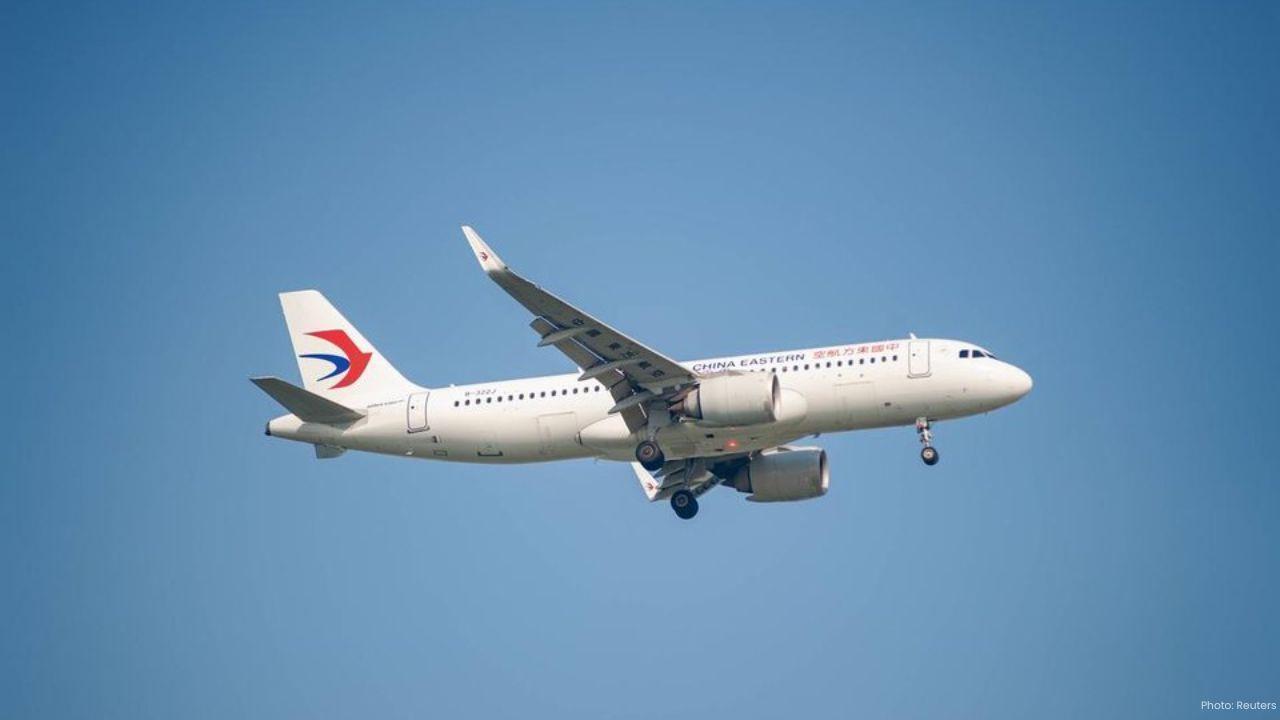
Two planes operated by China Eastern Airlines were involved in the incident. Both had flown from Shanghai Pudong International Airport. The first plane, an Airbus A320-200neo, landed on the runway. The air traffic controller, knowing that another plane was coming in to land, asked the first plane to leave the runway quickly.
The first plane’s crew turned left toward a nearby taxiway, traveling at about 63 km/h. Shortly after, the controller received a warning that the plane might not clear the runway in time for the second plane. Despite the warning, the controller cleared the second plane, a Boeing 777-300ER, to land. The controller expected that the first plane would exit the runway completely before the second plane reached it.
As the first plane made a sharp turn onto another taxiway, it slowed down to less than 18.5 km/h, which was required by the airline to make the turn safely.
Critical Moments on the Runway
The controller then instructed the first plane to turn left onto a taxiway that was still next to the runway. A few seconds later, realizing that the first plane might not clear in time, the controller told the second plane to go around, meaning it should abort the landing and try another approach.
At this point, the second plane was very close to the runway. The pilots did not respond to the instruction and continued landing. The plane touched down safely, but very close to the first aircraft.
The pilots of the second plane later explained that they did not hear the go-around instruction. The aircraft’s warning system, which constantly announces altitude during landing, may have overlapped with the controller’s call. The investigation found that the pilots’ attention was focused on landing, which may have made them miss the instruction.
Pilots’ Experience
The pilots of the first plane had flown 11,049, 6,439, and 1,092 hours. The second plane had four pilots with 20,459, 9,777, 5,783, and 919 hours of experience.
Despite the close encounter, no one was injured, and no damage occurred. Both planes safely taxied to their assigned parking areas.
Investigation Findings
The Transport Safety Investigation Bureau (TSIB) reviewed the incident and concluded:
The second plane’s crew probably missed the go-around instruction.
The air traffic controller followed proper procedures and had nearly nine years of experience.
The controller tried to speed up the first plane to prevent an unnecessary go-around.
Aviation safety experts highlighted the importance of clear communication between pilots and air traffic controllers. Missing instructions can lead to serious accidents. Pilots are advised to closely monitor the runway and taxiways and follow instructions immediately to avoid risks.
Safety Measures Taken
Following this incident, the Civil Aviation Authority of Singapore (CAAS):
Updated simulator training for controllers to include lessons from this incident.
Added regular scenario-based exercises to help controllers respond to unusual situations.
Instructed controllers to explain the reasons for go-around instructions to reduce communication errors.
Around 140 air traffic controllers at Changi and Seletar airports, including trainees, now follow these improved training programs.
China Eastern Airlines also reminded all its pilots to remain alert during every phase of flight and to follow any low-altitude go-around instructions when unexpected runway incursions happen.
This incident at Changi Airport shows how quickly aviation safety can be challenged. Even with experienced pilots and controllers, small delays or missed instructions can create risky situations. Thanks to careful management by the air traffic controller and the alertness of the pilots, a potential accident was avoided. Authorities continue to improve training and procedures to make air travel safer for everyone.









PM Modi Pays Tribute to Mahatma Gandhi, Urges People to Support Khadi
PM Modi pays tribute to Mahatma Gandhi on Gandhi Jayanti and urges citizens to support Khadi and the

Amazon Seeks to Offload $8 Billion in Nvidia Chips to Investors
Amazon plans to move $8 billion in Nvidia chips to investors, using a new financing model to strengt

Samsung Raises Galaxy S26 Prices as Memory Chip Costs Rise
Samsung raises Galaxy S26 prices in South Korea as rising memory chip costs put pressure on smartpho

Lewis Hamilton Calls Singapore Grand Prix One of F1's Toughest Races
Lewis Hamilton discusses the demanding Singapore Grand Prix and brings Plus44 and Almave to Singapor

Denmark's Pandora Opens World's Largest Jewellery Factory in Vietnam
Pandora opens its largest jewellery factory in Vietnam, expanding global production, strengthening s

Gautam Gambhir Questions Batting-Friendly Pitches After India's Record ODI Chase
Gautam Gambhir questions batting-friendly ODI pitches after India’s record chase, calling for a bett

