You have not yet added any article to your bookmarks!
Join 10k+ people to get notified about new posts, news and tips.
Do not worry we don't spam!
Post by : Anis Farhan
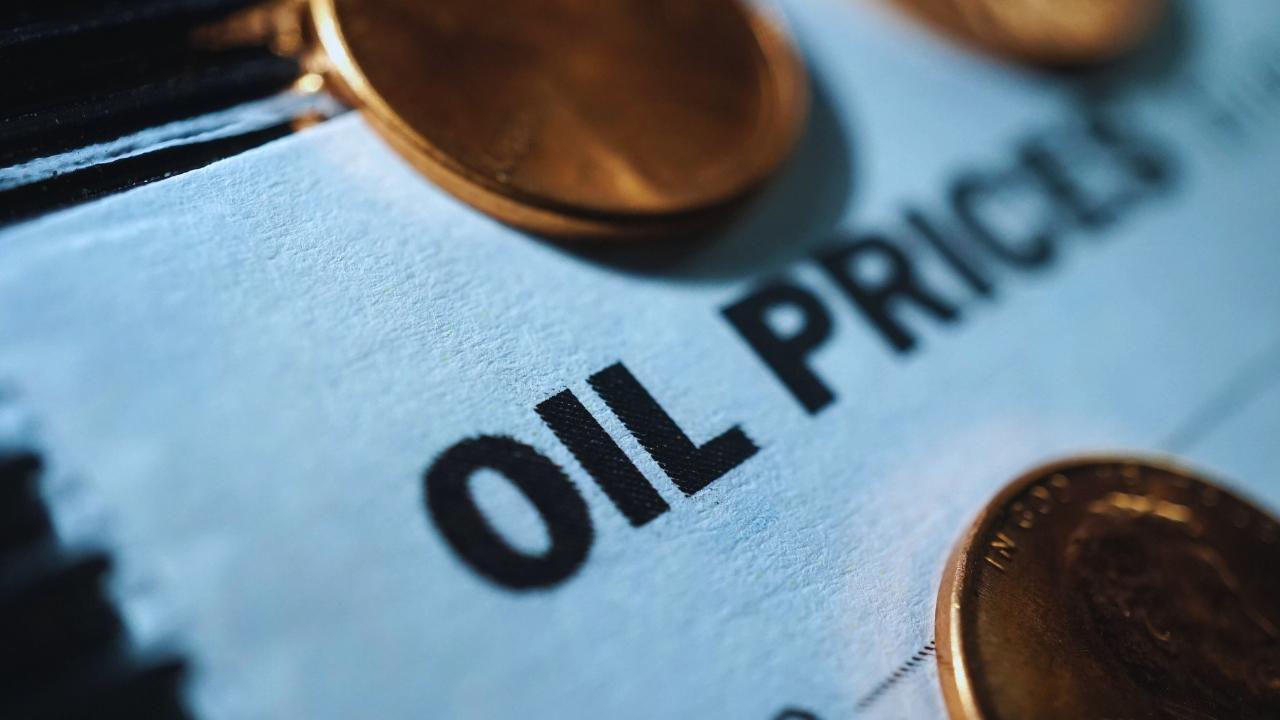
Saudi Arabia is expected to increase its crude oil prices for Asian buyers in September, marking the second month in a row of upward price adjustments. Industry sources and analysts tracking Middle East energy exports say the move is likely a response to rising seasonal demand and tighter global supply dynamics. If finalized, this change will impact refiners and buyers across India, China, South Korea, and other major Asian economies that heavily rely on Saudi crude to meet their energy needs.
Aramco, the state-run oil giant of Saudi Arabia, typically announces its official selling prices (OSPs) in the first week of each month. The price hike, if announced, would apply to its flagship Arab Light crude grade, which serves as the benchmark for millions of barrels shipped daily from the Gulf to Asia. According to market analysts, September’s Arab Light price could be raised by around 30 to 50 cents per barrel compared to August levels. This estimate is based on a mix of stronger spot premiums, improved refining margins, and more expensive competing crudes from other regions.
The anticipated increase reflects Saudi Arabia’s intent to maintain a premium positioning in the global oil market. It also signals the kingdom’s confidence in the resilience of Asian demand, even as economic headwinds in China and inflation concerns globally have made some buyers cautious. Refiners in Asia have recently increased their purchases, especially in anticipation of higher gasoline and diesel consumption during the late summer and early autumn period. The heatwave across several Asian countries and the gradual improvement in economic indicators are believed to be fueling this demand uptick.
In parallel, global oil supplies remain under pressure. Voluntary output cuts by Saudi Arabia and coordinated supply limits by the OPEC+ alliance have played a key role in tightening the market. In fact, Saudi Arabia has committed to extending its unilateral production cut of one million barrels per day until at least the end of September, in addition to its broader OPEC+ obligations. With less oil available on the global market, producers are gaining greater leverage in setting prices, especially for buyers in demand-heavy regions like Asia.
The rising prices could present a challenge for refiners in India, which has emerged as one of the world’s largest importers of crude. Indian refineries are already grappling with high processing costs and volatile global shipping rates. Any further hike in OSPs from Saudi Arabia could squeeze their margins, pushing some to seek alternative supplies from Russia, Iraq, or West African countries. However, alternative sources often come with logistical or political trade-offs, and many Asian refiners still prefer the stability and reliability of Saudi shipments despite the premium.
China, the region’s largest oil consumer, is also watching developments closely. While its economic recovery has been somewhat uneven in recent months, Beijing’s stimulus efforts and rising transport activity are keeping refinery utilization high. Traders suggest that Chinese refiners, especially the large state-owned ones, will continue accepting Saudi cargoes even at slightly elevated prices due to long-term contracts and favorable credit terms.
The potential price hike also comes at a time when the broader energy landscape is becoming more complex. Geopolitical tensions in the Middle East, production disruptions in Libya and Nigeria, and hurricane season in the Gulf of Mexico are all contributing to the volatility in crude pricing. By raising prices now, Saudi Arabia is positioning itself to capture value from this uncertain environment while also managing its own revenue objectives. Oil revenues remain a critical pillar of the kingdom’s Vision 2030 economic diversification strategy, and maintaining strong price levels is essential for funding key infrastructure and transformation projects.
Furthermore, the decision to increase prices could have ripple effects on other oil producers in the Gulf. Countries like Kuwait, Iraq, and the UAE often follow Saudi Arabia’s lead when setting their own monthly OSPs. A firm signal from Aramco will likely shape pricing across the entire Middle Eastern oil basket, influencing decisions of both buyers and competing suppliers.
Notably, this potential increase also aligns with seasonal trends. Historically, demand for crude in Asia peaks between August and October, coinciding with summer travel, agricultural cycles, and power generation needs. If global refinery margins remain healthy and inventories continue to decline, Saudi Arabia may find continued support for elevated pricing in the months ahead.
Despite the likelihood of a hike, the size of the increase is expected to be moderate. The kingdom appears to be balancing its interest in maximizing revenues with the need to avoid alienating key buyers. Too steep a rise could push refiners to reconsider supply contracts, while a gentle increase helps maintain both market share and long-term customer relationships. As of now, most analysts expect Saudi Arabia to calibrate the price adjustments carefully, considering broader macroeconomic signals.
Ultimately, the final decision on prices will depend on a mix of technical calculations and strategic priorities. Aramco uses a formula that includes spot market indicators, freight rates, and product margins, among other variables. While the exact formula remains confidential, past behavior shows that pricing moves are not made in isolation but are part of a broader economic and geopolitical strategy.
Buyers and traders across Asia will be closely watching Aramco’s official announcement expected later this week. The pricing decisions for September are likely to set the tone for oil markets into the fourth quarter, as the world grapples with both energy transition policies and short-term supply disruptions.
This article has been produced exclusively for Newsible Asia. It is based entirely on publicly available information and avoids the use of hyperlinks or external references. The content has been structured to meet Newsible Asia’s editorial guidelines, providing clear, factual, and region-relevant news coverage. Newsible Asia takes no position on commercial decisions discussed in this report.









Rabada Misses First Australia Test as South Africa Pick Two Spinners
Kagiso Rabada misses the opener as South Africa vs Australia begins, with Anrich Nortje returning an

Starc Compares Australia's Tough Year to McIlroy's Major Sweep
Mitchell Starc says Australia winning three away Test series and the World Cup would match Rory McIl

France’s Sesterce Plans $11 Billion AI Data Centre in Finland
Sesterce plans a $11 billion AI data centre in Finland, with major expansion, green energy plans and

Danaher to Launch AI-Powered Autonomous Research Lab in 2027
Danaher plans an AI research lab for 2027, combining robotics and automation to speed up drug discov

Musk Welcomes German Support for Tesla Driver Assistance Tech as EU Approval Push Continues
Elon Musk welcomes Germany's backing for Tesla FSD as the company seeks EU approval amid speed, safe

Microsoft and Nvidia CEOs to Unveil AI Laptop at San Francisco Event
Microsoft and Nvidia showcase a new AI laptop with RTX Spark chips as they push powerful local AI co