You have not yet added any article to your bookmarks!
Join 10k+ people to get notified about new posts, news and tips.
Do not worry we don't spam!
Post by : Saif Rahman
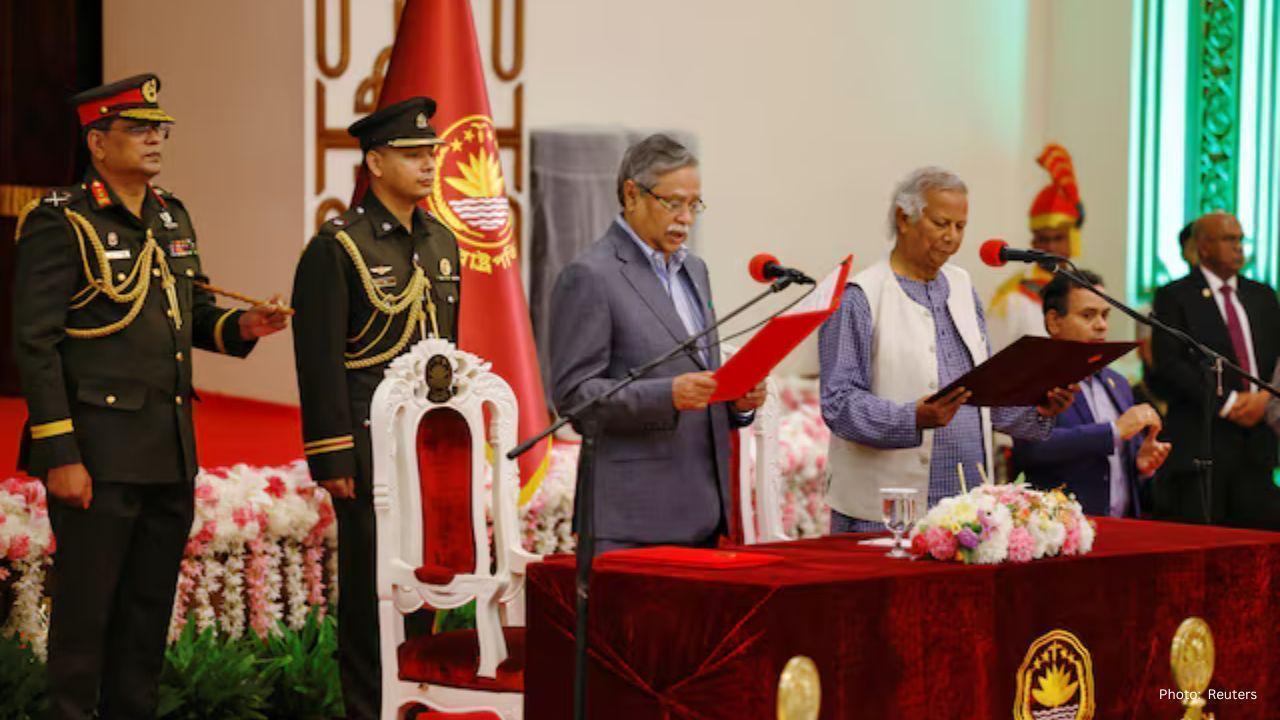
Bangladesh confronts renewed political turbulence as President Mohammed Shahabuddin indicates his intent to step down prior to completing his term. This announcement has taken many by surprise, as it is uncommon for presidents in Bangladesh to depart without fulfilling their ceremonial roles. Speaking to Reuters from his Dhaka residence, the 75-year-old president expressed a desire to relinquish his duties, stating that he feels insulted and marginalized by the interim administration led by Muhammad Yunus. He described recent actions taken by the temporary government that left him feeling undervalued and disrespected, despite being the constitutionally mandated head of state.
Shahabuddin assumed office in 2023 as the only candidate supported by the Awami League, which is associated with former Prime Minister Sheikh Hasina. Initially, his role was largely ceremonial, typical of most Bangladeshi presidents. However, during the significant student protests of 2024, when citizens rallied against allegations of corruption and oppressive governance, his responsibilities escalated unexpectedly. As unrest grew, Sheikh Hasina fled to New Delhi, leading to the dissolution of parliament, removal of ministers, and collapse of the standard government framework. In this chaotic context, Shahabuddin emerged as the sole constitutional authority—a role he never envisioned.
In his interview, Shahabuddin conveyed his wish to resign following the parliamentary elections scheduled for February, expressing his readiness to return to private life. Nonetheless, he acknowledged the constraints of the constitution, which require his presence until a new government is formed. Despite his intent to depart, he emphasized the need to maintain constitutional order. He articulated his profound disappointment regarding the treatment he has received from the interim administration in recent months.
A significant source of his humiliation stems from the abrupt removal of his official portraits from Bangladesh's embassies and consulates worldwide. Traditionally, the portrait of the sitting president is displayed in all governmental and diplomatic venues. Shahabuddin reported that all representations of him were taken down overnight without prior notice or explanation, a move he interprets as signaling to both the public and international community his diminished status, despite his non-involvement in any wrongdoing. He reflected on how this act undermined his identity as a leader within his own nation.
Additionally, he noted the withdrawal of his press office and the fact that Yunus has not met with him for nearly seven months. These collective actions have contributed to a painful experience for him. According to Shahabuddin, the interim government appears to have minimized his influence and visibility. When he inquired about these developments in a letter to Yunus, he received no response, which he found even more hurtful than the removal of his portraits. For a president who expects the respect due to his office, the lack of communication from Yunus felt like a deliberate effort to sideline him.
The interim government came into existence following significant unrest against the Awami League, with public frustration reaching a critical point. Muhammad Yunus, a Nobel laureate renowned for his microfinance contributions, was appointed to guide this temporary administration. Many anticipated that Yunus would synergize closely with all governmental sectors, including the presidency, to restore trust and stability. Yet Shahabuddin’s remarks indicate a strained relationship between him and the interim government. His comments underscore a profound lack of communication and mutual respect within the current political framework.
Yunus’ press team has not addressed Reuters’ inquiries regarding this matter, further raising questions about whether the interim government intentionally marginalized the president or if this simply reflects inadequate coordination. Some political analysts speculate that the interim administration seeks to foster a distinctly new political landscape, excluding individuals associated with the Awami League. Others believe the tensions may arise from communication missteps or unresolved misunderstandings.
Shahabuddin’s intention to step down after the February elections adds another layer of uncertainty to the already volatile political climate of Bangladesh. Over the years, the nation has endured frequent protests, claims of authoritarian conduct, and political factionalism. While the interim government was instituted to reinstate order, the president’s statements highlight that internal politics remain sensitive and tumultuous. His position indicates that even the highest constitutional roles can feel insecure amid national shifts.
If Shahabuddin does resign, Bangladesh will undergo a critical transition once more. The election of a new parliament, a new prime minister, and potentially a new president await the country. For many citizens, these adjustments may elicit either hope or anxiety, depending on their political views. Some may welcome the movement towards a more operational political framework, while others might dread the prospect of ongoing instability. For years, Bangladesh has sought to reconcile political rivalry with democratic resilience, and recent events underscore that this equilibrium remains fragile.
Shahabuddin expressed a lack of desire to occupy a role in which he feels disregarded and impotent. He entered public service intending to uphold national dignity rather than endure humiliation. His poignant remarks highlight the challenges leaders face during periods of abrupt political transformation. They illustrate how power dynamics and distrust can seep into those expected to transcend political divisions.
As Bangladesh gears up for the February elections, the nation's political fate hangs in the balance. The interim government must sustain order, political factions need to campaign peacefully, and citizens must choose their national leaders. Shahabuddin’s intention to resign early illustrates that the hurdles Bangladesh encounters are far from resolved. It underscores that respect, open communication, and constitutional integrity are vital for any nation navigating through political evolution.
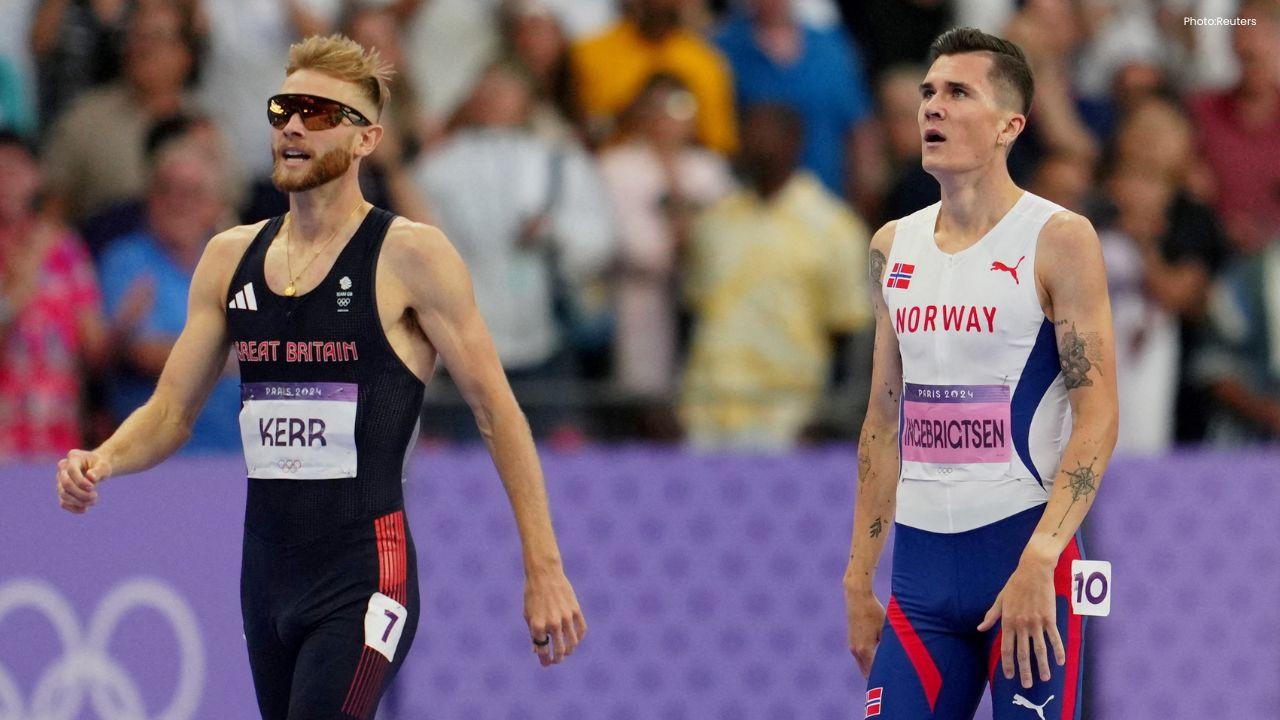


Josh Kerr and Jakob Ingebrigtsen Set for 1,500m Rivalry Rematch
Josh Kerr and Jakob Ingebrigtsen will renew their 1,500m rivalry at the Ultimate Championship in Bud

PSG Coach Luis Enrique Urges Players to Step Outside Comfort Zone
PSG coach Luis Enrique says players must leave their comfort zone and keep improving as the club tar

China’s Tiangong Sets New 400m Record at Robot Olympics
China’s Tiangong robot sets a new 400m record at the Robot Olympics, beating a South African robot i
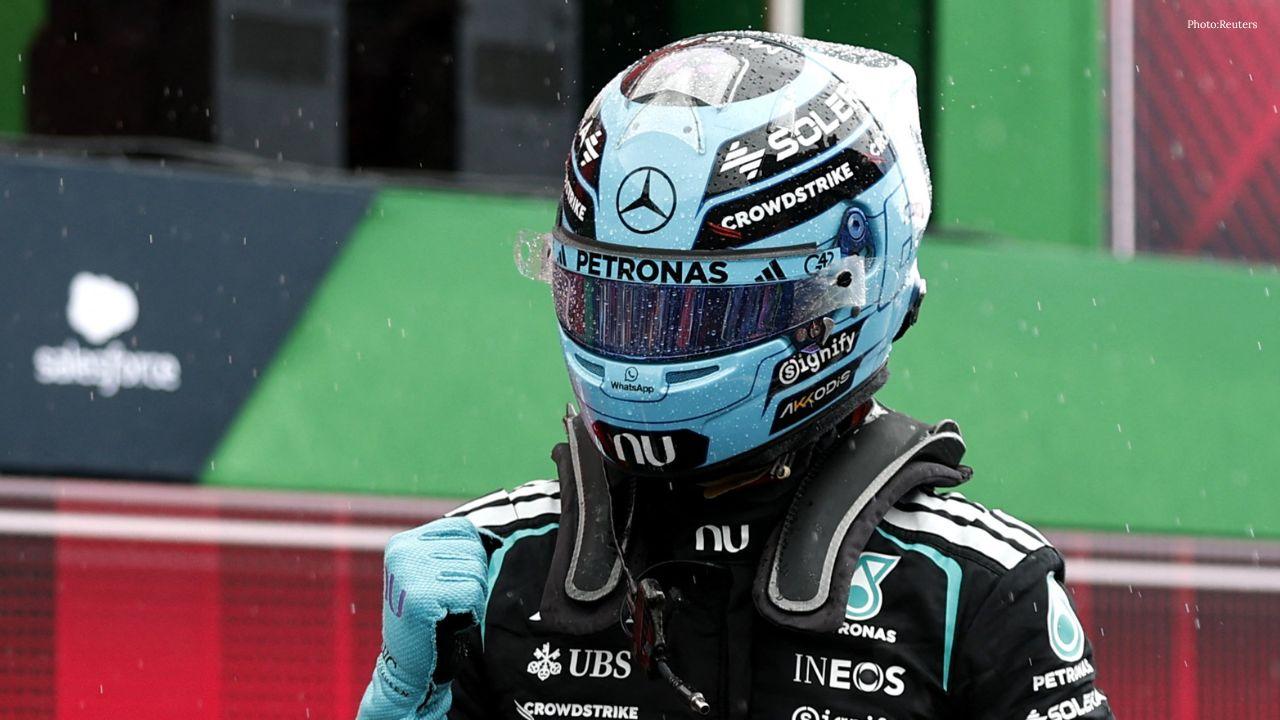
George Russell Wins Dutch GP Sprint, Boosts Mercedes Morale
George Russell wins the Dutch GP Sprint from pole as Mercedes teammate Kimi Antonelli extends his F1
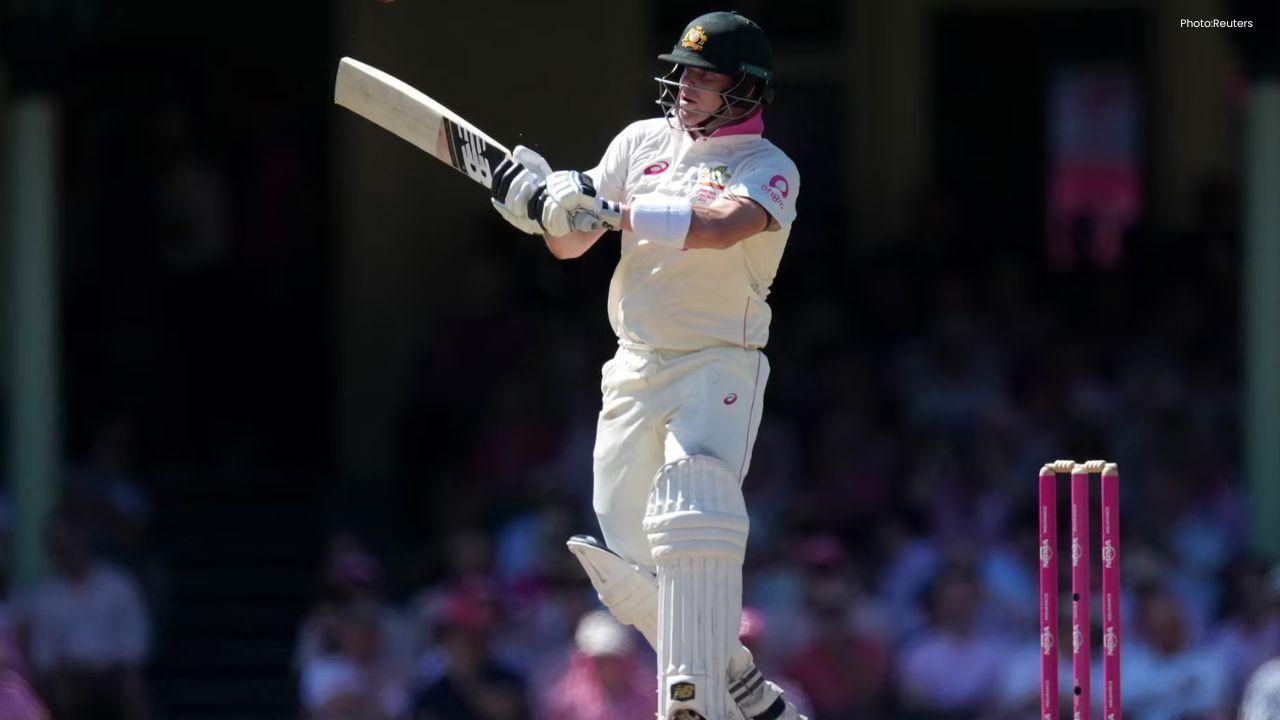
Australia 50/3 After Bangladesh Bowled Out for 64 in Second Test
Australia reached 50/3 after Bangladesh were bowled out for 64 in the second Test, with Mitchell Sta
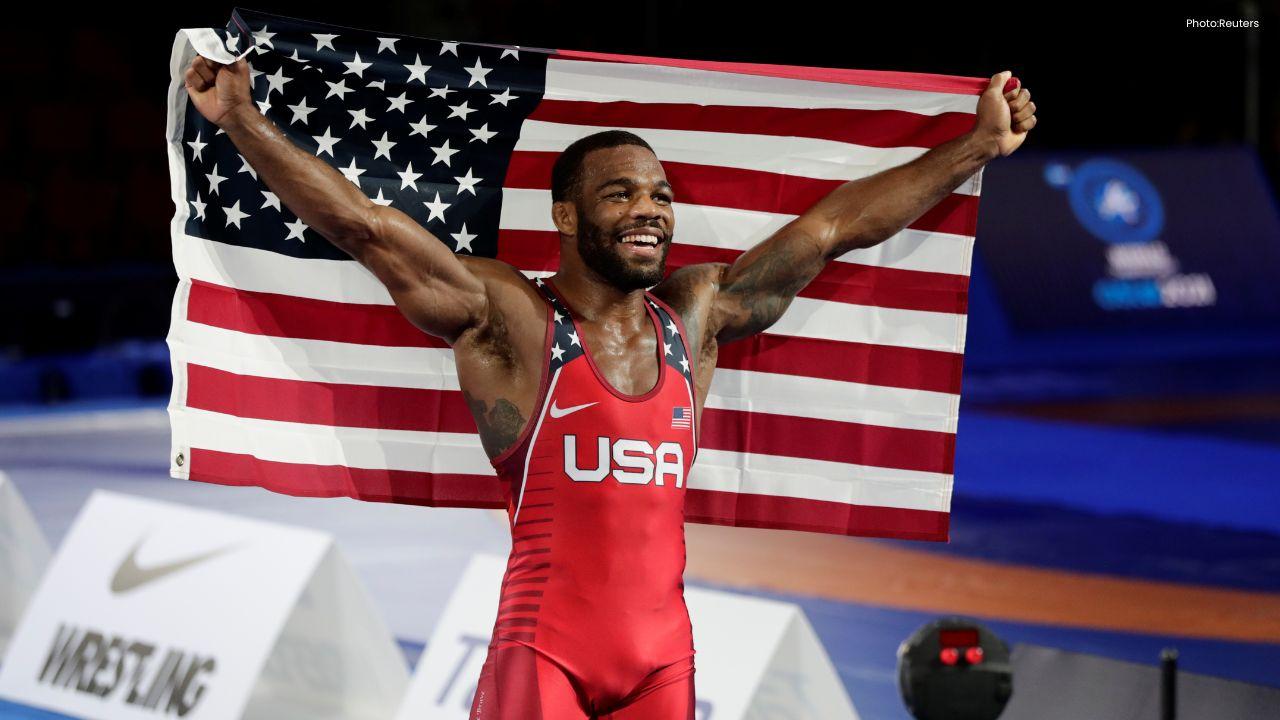
Jordan Burroughs Returns to Wrestling with 2028 Olympic Dream
Jordan Burroughs returns to wrestling with Real American Freestyle as the Olympic champion eyes a po