
You have not yet added any article to your bookmarks!
Join 10k+ people to get notified about new posts, news and tips.
Do not worry we don't spam!
Post by : Sameer Farouq
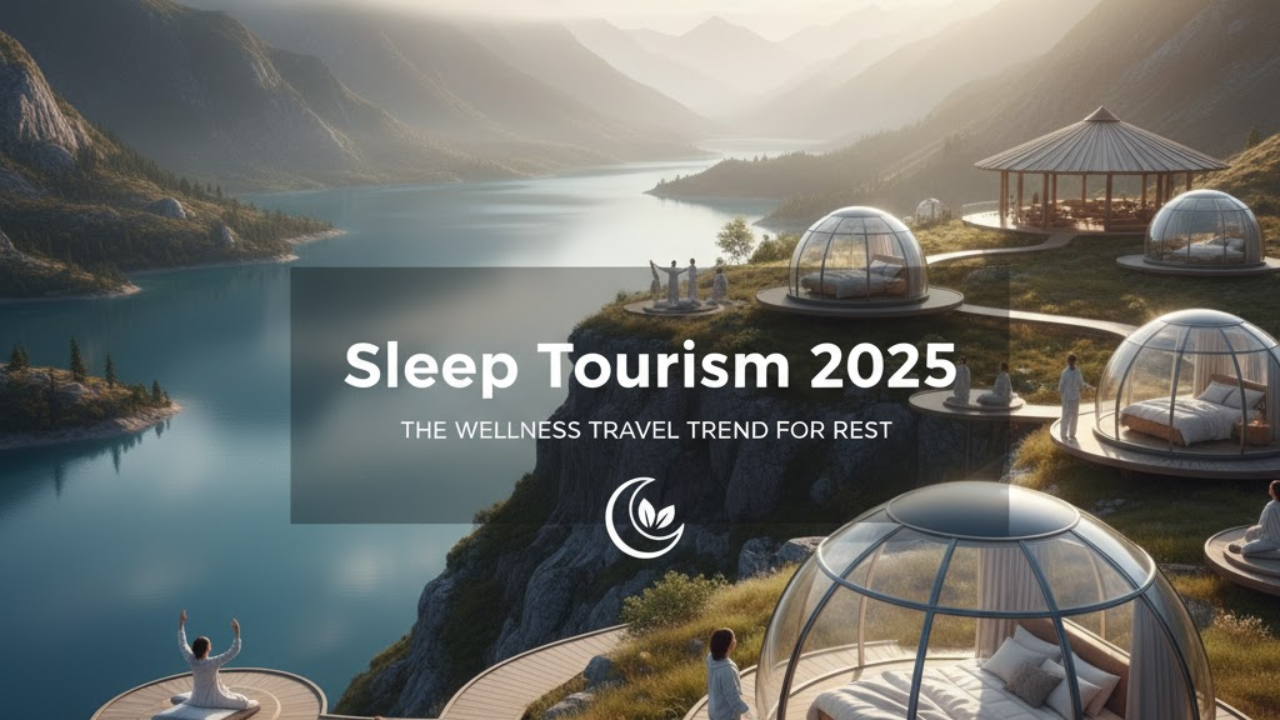
In 2025, the most coveted travel experience isn’t adrenaline or adventure — it’s peaceful sleep. The modern traveler is trading nightlife for night rest, embracing a new global wellness trend known as sleep tourism. From luxury resorts to urban sanctuaries, hotels are now offering experiences centered around one simple promise: helping you sleep better than ever before.
In a restless world, where stress, screens, and schedules rule, sleep has become the new symbol of true luxury.
Sleep tourism refers to travel experiences designed specifically to improve sleep quality and mental well-being. It goes beyond comfy beds — involving curated environments, nutrition plans, sound therapies, and scientific sleep programs tailored to each guest’s needs.
Some hotels have even redefined themselves as “sleep sanctuaries,” providing everything from sleep-inducing lighting systems and hypoallergenic bedding to AI-driven sleep monitoring and personalized bedtime rituals. The goal is simple: turn rest into an unforgettable travel experience.
The rise of sleep tourism reflects a cultural shift — the recognition that rest is not laziness but a biological need for performance and happiness. With burnout rates skyrocketing globally, travelers are now prioritizing rest just as much as sightseeing.
According to recent wellness industry data, more than 70% of travelers in 2025 consider mental rejuvenation and recovery as their primary reason for travel. Sleep is now a form of self-care, and travel is becoming a reset button for overstimulated minds.
Leading hotels and resorts worldwide are transforming the way people rest.
Six Senses Resorts (Maldives & Thailand) offer sleep trackers, aromatherapy baths, and personalized circadian rhythm coaching.
Zedwell Hotels (London) feature soundproof, windowless rooms designed purely for deep sleep.
Hästens Sleep Spa (Portugal) uses handcrafted beds, oxygen-enriched rooms, and pillow customization.
Ananda in the Himalayas (India) blends Ayurveda and yoga for restorative sleep balance.
These destinations merge science and serenity, offering travelers a perfect escape from digital noise and daily stress.
Sleep tourism isn’t just luxury; it’s based on neuroscience and wellness research. The environment — light, temperature, scent, and sound — directly affects sleep cycles. Many hotels use circadian lighting systems that mimic sunset and sunrise to align guests’ internal clocks.
Some integrate AI-based sleep analytics, monitoring REM and deep sleep stages to fine-tune conditions each night. Combined with mindful therapies, nutrition, and gentle movement, these techniques transform ordinary vacations into rejuvenating retreats for body and mind.
Sleep tourism often combines rest with wellness rituals to prepare the body and mind for quality sleep. These may include:
Sound healing and crystal bowl sessions
Aromatherapy and herbal teas designed for relaxation
Gentle evening yoga or breathing practices
Digital detox hours before bedtime
Nutrition workshops on foods that support melatonin production
The goal is to reconnect travelers with their natural rhythms — promoting restfulness that continues long after they return home.
The modern traveler’s mindset has evolved. Instead of cramming itineraries, people now crave intentional slowness — a balance between exploration and restoration. As stress-related health issues rise, rest is becoming a global movement.
Sleep tourism embodies this transformation, reminding travelers that well-being starts with rest, not rush. It’s not about how many places you visit, but how deeply you can unwind in one.
Looking ahead, the future of travel will increasingly blend wellness technology, neuroscience, and nature. We’ll see the rise of sleep pods in airports, AI-guided sleep coaches, and soundscape-based resorts that evolve with guests’ biometric data.
Sleep tourism may soon become a travel standard — where every journey includes rest as a key experience, not an afterthought.
Disclaimer: This article is for informational purposes only. Always consult a healthcare or sleep specialist before participating in medical-grade sleep programs or using sleep enhancement technologies offered by hotels or retreats.










PM Modi Pays Tribute to Mahatma Gandhi, Urges People to Support Khadi
PM Modi pays tribute to Mahatma Gandhi on Gandhi Jayanti and urges citizens to support Khadi and the

Amazon Seeks to Offload $8 Billion in Nvidia Chips to Investors
Amazon plans to move $8 billion in Nvidia chips to investors, using a new financing model to strengt

Samsung Raises Galaxy S26 Prices as Memory Chip Costs Rise
Samsung raises Galaxy S26 prices in South Korea as rising memory chip costs put pressure on smartpho

Lewis Hamilton Calls Singapore Grand Prix One of F1's Toughest Races
Lewis Hamilton discusses the demanding Singapore Grand Prix and brings Plus44 and Almave to Singapor

Denmark's Pandora Opens World's Largest Jewellery Factory in Vietnam
Pandora opens its largest jewellery factory in Vietnam, expanding global production, strengthening s

Gautam Gambhir Questions Batting-Friendly Pitches After India's Record ODI Chase
Gautam Gambhir questions batting-friendly ODI pitches after India’s record chase, calling for a bett

