You have not yet added any article to your bookmarks!
Join 10k+ people to get notified about new posts, news and tips.
Do not worry we don't spam!

Post by : Anis Farhan
As some of the fastest-growing cities globally, Asia faces unique challenges that require innovative solutions. Over the past decade, the continent has solidified its position as a leader in smart city technology, with governments, private entities, and local communities all advocating for a data-centric urban experience. By 2025, urban centers in Asia will not merely be evolving; they will be undergoing rapid transformations through adaptive technological innovations.
The advent of smart city technologies represents a significant transformation in urban interactions. From traffic management to healthcare, public safety, and energy usage, real-time data increasingly shapes city life. Urban areas are evolving into ecosystems that intuitively respond to behavior patterns, optimizing resources while fundamentally altering residents’ lifestyles.
This movement towards smart cities goes beyond flashy gadgets; it focuses on tangible enhancements to everyday living, fostering sustainable environments where millions can thrive.
A multitude of factors has positioned Asia as the world's epicenter for smart city advancements. Rapid urbanization has compelled cities to innovate urgently, addressing mounting issues related to traffic, pollution, and public services. Rather than letting these challenges escalate, governments harness technology for lasting solutions.
Economic growth plays a crucial role, as many Asian nations have heavily invested in infrastructure for digital services, connectivity, and government-led innovations. Additionally, a youthful, technologically adept workforce alongside a vibrant startup ecosystem fosters this evolution.
The smart city initiative in Asia is deeply intertwined with cultural adaptability. Communities across the region have proven receptive to embracing new technologies and systems, accelerating the success of data-centric governance.
Thus, urban transformation in Asia is characterized by a combination of necessity, inventive solutions, and cultural readiness.
Historically, cities centered around physical infrastructure—roads, buildings, and public utilities. However, as we approach 2025, data emerges as a foundational resource. Asian cities utilize data from multiple sources, including sensors and public feedback, to craft smart solutions.
This data enhances authorities' understanding of movement patterns and service demand, allowing for predictive planning rather than reactive responses. From traffic congestion to healthcare systems, data enables proactive measures, ensuring responsive yet efficient governance.
As a result, daily urban experiences for residents become smoother and more fulfilling, paving the way toward cleaner, safer environments.
The transformation in urban mobility is one of the most evident outcomes of data-oriented developments. Major Asian urban centers have long struggled with traffic congestion. Now, smart traffic systems employ sensor data and AI to optimize traffic flow and enhance road efficiency.
Public transport is also undergoing significant enhancements, driven by technology. Features like real-time route optimization and on-demand transport options make urban navigation convenient for residents. Integrated apps coordinate metro, bus, and ride-sharing services for seamless commutes.
The growing prevalence of electric vehicles further exemplifies smart mobility. Cities are creating data-managed charging networks that optimize usage and availability, enhancing urban transportation.
Through intelligent mobility, time and energy savings transform daily commutes into a much more manageable experience.
Governance across Asia is experiencing a silent yet profound evolution. The integration of digital platforms has rendered public services more accessible and efficient. Numerous cities have adopted e-governance systems allowing residents to perform vital transactions online.
Information gathered through these systems enables city officials to identify and address community issues effectively. For example, if frequent water outages occur in a neighborhood, data analysis can reveal underlying problems, facilitating prompt redressal.
Moreover, smart governance promotes transparency, empowering citizens with insight into public expenditures and service processes, thereby enhancing trust.
This shift towards data-informed governance underpins greater accountability in addressing urban challenges.
In densely populated areas, safety remains a priority. Smart technologies enhance public safety through integrated surveillance systems and emergency response tools. Cities now deploy interconnected sensors and cameras to monitor public spaces and respond effectively to emergencies.
This technological network enables authorities to take preventive measures by detecting unusual activities in real-time. Emergency alerts facilitate rapid police intervention, reducing crime rates.
In addition to crime reduction, public safety technologies are invaluable for disaster management, especially in regions frequently affected by natural calamities. Early warning systems enable timely evacuations and effective traffic management during emergencies.
Smart safety tools do not eliminate human vigilance but enhance its effectiveness, empowering authorities to respond more swiftly and accurately.
Data-driven advancements are also revolutionizing healthcare within urban environments. Asian cities integrate digital health records and telemedicine platforms to construct more effective healthcare ecosystems.
Real-time health data allows cities to monitor disease patterns and resource needs, improving healthcare delivery. Clinics leverage these innovations to streamline appointment systems and reduce patient wait times.
Home monitoring devices provide vital health indicators that can be shared with medical professionals for timely interventions. This digital approach enhances care accessibility, particularly for the elderly and chronic patients.
The result is a seamless integration of healthcare into daily life, offering peace of mind for families and individuals alike.
Environmental sustainability is a critical focus of Asia’s smart city frameworks. Through rapid urban expansion, many areas face severe environmental challenges. Smart cities are harnessing data to develop impactful solutions for these issues.
Environmental sensors monitor air quality and pollutants, enabling governments to regulate emissions and improve public health. Water management systems analyze usage patterns to reduce waste, while smart irrigation offers environmentally considerate watering in urban and agricultural landscapes.
Municipal waste management has seen significant improvements, with smart bins proactively notifying authorities about capacity limits. Digital tracking enhances recycling programs, fostering community participation.
Sustainability, therefore, moves from being a mere concept to an actionable mandate in the daily lives of city dwellers, thanks to data-driven initiatives.
The demand for energy in Asian cities is immense; thus, smart grids play a crucial role in managing consumption intelligently. Smart meters empower residents to monitor their energy use, identifying wasteful practices. Intelligent distribution grids enhance energy transfer and reliability.
The integration of renewable sources like solar power bolsters these systems, helping cities achieve their sustainability goals. Automation in buildings further enhances energy efficiency through temperature and lighting adjustments based on real-time data.
These initiatives contribute to lower emissions and energy costs while cultivating greener metropolitan cities.
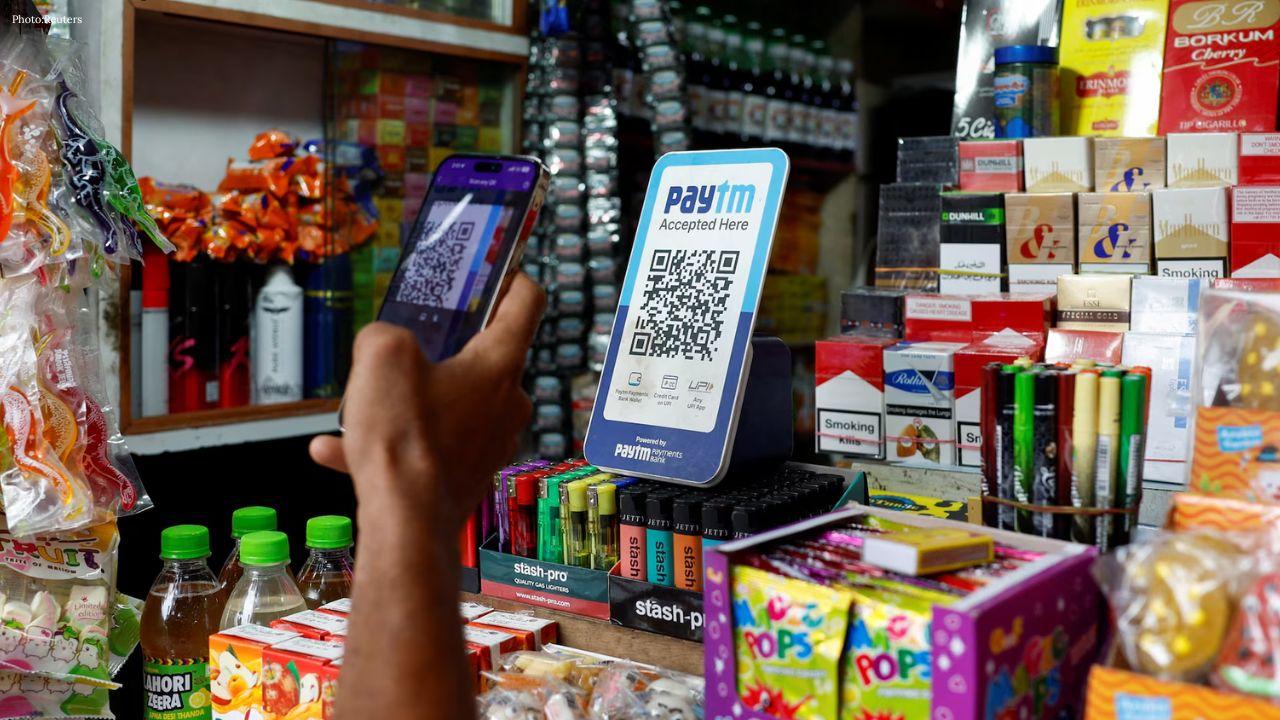
Asia’s shift toward digital payments has become a fundamental element of modern urban ecosystems. From local vendors to major retailers, electronic transactions streamline commerce, emphasizing security and convenience.
Data derived from these transactions aids authorities in tracking economic trends and identifying growth opportunities within communities. In turn, this supports policy formulation for balanced urban development.
Digital finance revolutionizes opportunities for micro-entrepreneurs, facilitating smoother access to customers and reducing the need for traditional infrastructure.
Smart city initiatives rely not only on government actions but also on active community involvement. Platforms for citizen feedback, reporting issues, and engaging in local projects foster a collaborative approach to urban development.
By leveraging technology, residents can actively participate in various city initiatives, creating a shared sense of ownership in their living environments.
The success of smart cities hinges on an engaged citizenry and a leadership that values their contributions.
Despite the advancements, several challenges accompany the smart city movement in Asia. Data privacy remains a prominent concern, as citizens expect clarity on how their information is used. Cybersecurity risks necessitate robust safeguards to defend sensitive systems.
The digital divide is another pressing issue. While urban areas often benefit from advanced technologies, rural and lower-income regions may experience access disparities, necessitating inclusive planning to mitigate inequalities.
Financial constraints can also hinder smaller urban centers from adopting sophisticated technologies. Thus, sustainable solutions must be devised to enable every city to participate in this transformative movement.
The outlook for data-driven cities in Asia is promising. Innovations such as AI-supported urban planning, digital replicas, autonomous transportation networks, and citizen-centric governance will define the next decade.
Focusing on personalized urban experiences, technology will integrate effortlessly into daily existence, making urban life more efficient and environmentally friendly.
The objective is not futuristic landscapes but humane, supportive cities intertwined with vibrant communities.
The emergence of data-driven cities marks a significant milestone for modern Asia. Integrating technology into governance, transport, healthcare, sustainability, and community promises enhanced living standards.
Smart city innovations prioritize improving individual lives over mere technological advancement, showcasing Asia's commitment to resilient, efficient, and livable urban environments.
As the smart city movement continues to expand, Asia remains at the forefront of a global transition towards a more sustainable and compassionate urban future.
This article provides general insights into evolving smart city trends and urban innovation across Asia. Readers should refer to local guidelines and expert sources for detailed policy information.









Spain's Diego Poncelet Sets Skateboarding World Speed Record
Spain's Diego Poncelet reaches 151.83 km/h in a record-breaking downhill skateboard run in Canada, s

Hyundai Recalls 94,622 US Vehicles Over Potential Fire Risk
Hyundai recalls 94,622 US vehicles over overheating seat motors. Check affected Genesis models, fire

Nvidia Pledges $250 Million for UK AI Safety Research
Nvidia will provide $250 million in computing resources over five years to support AI safety researc

Jacob Bethell Returns as England Name Squads for Australia Tour
England name ODI and T20 squads for the Australia tour, with Jacob Bethell returning from injury and

Beauden Barrett Opens Up About Mental Struggles During All Blacks Exile
Beauden Barrett discusses his confidence struggles after missing six tests, his return against Austr

IMF Says AI Investment Supports Global Growth Despite Energy Shock
IMF says AI investment is supporting global growth near 3%, with Asian economies benefiting from ris