You have not yet added any article to your bookmarks!
Join 10k+ people to get notified about new posts, news and tips.
Do not worry we don't spam!
Post by : Rameen Ariff
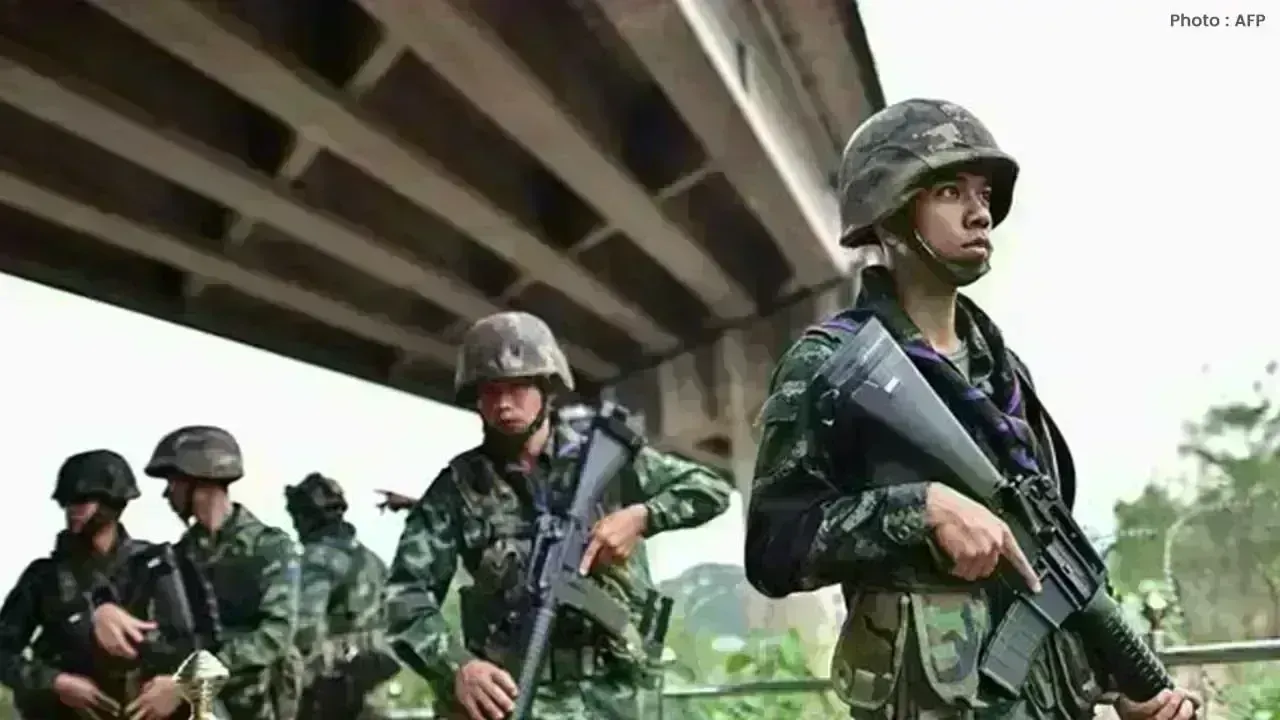
Tensions between Thailand and Cambodia escalated as Thailand launched air strikes along its disputed border, following accusations from both sides of breaching a ceasefire mediated by former US President Donald Trump. The confrontation comes after Thailand suspended de-escalation measures last month, citing a series of incidents involving newly laid landmines that injured a Thai soldier—a claim Cambodia denies.
The two Southeast Asian nations have vastly different military capacities. Cambodia maintained a defence budget of $1.3 billion in 2024 and has 124,300 active military personnel. Its armed forces, formed in 1993 from the merger of the former Communist military and two resistance armies, include an army of approximately 75,000 soldiers equipped with more than 200 battle tanks and around 480 artillery pieces. Cambodia’s air force is smaller, with 1,500 personnel, operating 10 transport planes, 10 transport helicopters, and 16 multi-role helicopters, but it has no fighter jets. The Cambodian navy consists of 2,800 personnel, including 1,500 naval infantry, and operates 13 patrol and coastal combat vessels alongside an amphibious landing craft.
In contrast, Thailand is classified by the US as a major non-NATO ally and maintains a large, well-funded military. Its defence budget in 2024 was $5.73 billion, supporting over 360,000 active armed forces personnel. The Thai army comprises 245,000 personnel, including 115,000 conscripts, and operates around 400 battle tanks, 1,200 armoured personnel carriers, and 2,600 artillery weapons. It also maintains its own fleet of aircraft, including passenger planes, Black Hawk helicopters, and unmanned aerial vehicles.
Thailand’s air force, one of the best equipped in Southeast Asia, includes 46,000 personnel and 112 combat-capable aircraft, featuring 28 F-16s, 11 Swedish Gripen fighter jets, and dozens of helicopters. The Thai navy is substantially larger than Cambodia’s, with nearly 70,000 personnel, an aircraft carrier, seven frigates, 68 patrol and coastal combat vessels, amphibious landing ships, and a marine corps of 23,000 personnel supported by armed fighting vehicles. Its naval aviation division operates helicopters and UAVs, adding to Thailand’s superior maritime capabilities.
The border clashes reflect deep-rooted tensions between the two countries, highlighting the military imbalance and the ongoing risks of escalation. Analysts note that the region’s security remains fragile, with the potential for further incidents if diplomatic channels fail to restore stability.
Thailand and Cambodia’s military standoffs are closely watched in Southeast Asia, as the balance of power, defense budgets, and troop deployment continue to shape the dynamics along their shared border.






Lamborghini Catches Fire on Singapore's ECP, Causing Heavy Traffic
A Lamborghini caught fire on Singapore's ECP, causing heavy traffic and bus delays. No injuries were

Bangkok Airport Duty-Free Area Flooded by Pipe Burst
A burst water pipe flooded the duty-free shopping area at Bangkok's Suvarnabhumi Airport on July 16,
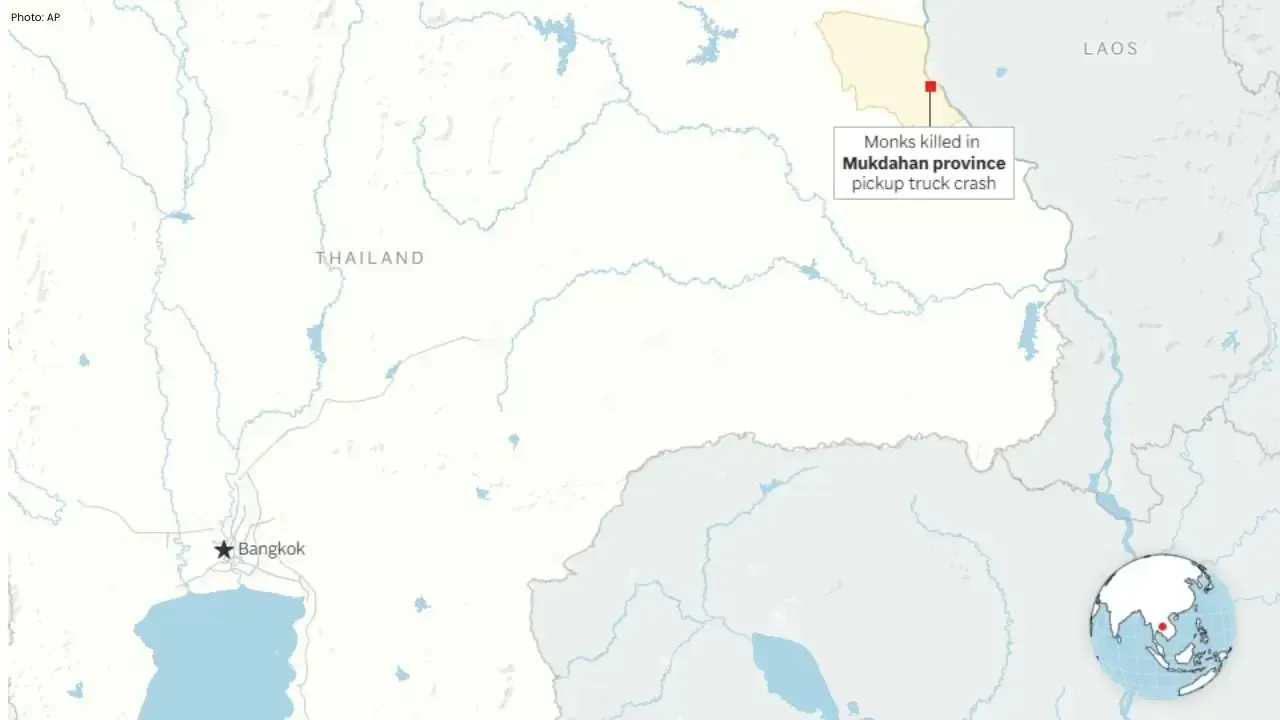
Nine Monks Killed in Thailand Pickup Truck Tragedy
An 11-year-old boy driving a pickup truck crashed into monks during a pilgrimage in northeastern Tha

Anwar Congratulates Xi on CPC's 105th Anniversary
Malaysia reaffirms strong ties with China as PM Anwar Ibrahim sends a congratulatory letter to Presi
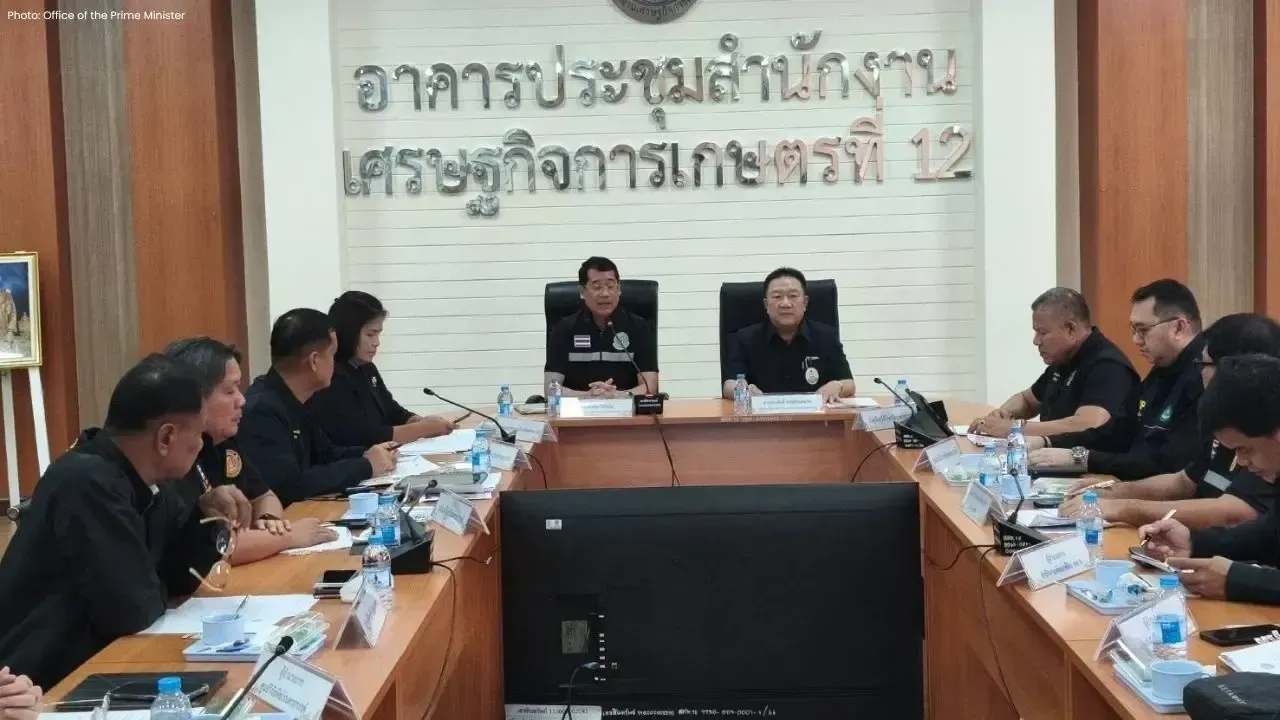
Thai Agriculture Team Reviews 2026 Farm Development Plans
Agriculture Ministry officials inspected livestock and organic rice projects in Nakhon Sawan to moni
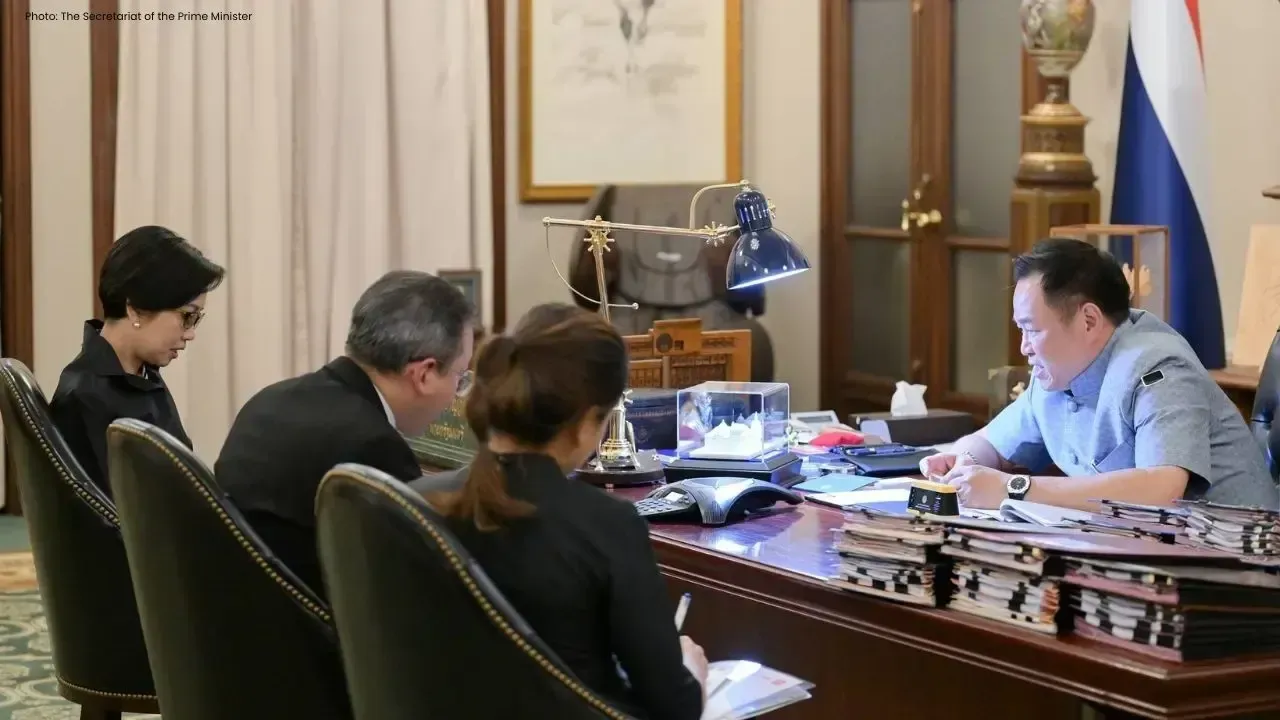
Thailand, Canada Boost Ties in PM-Level Phone Talks
Thailand and Canada agreed to strengthen trade, security, OECD cooperation and ASEAN-Canada FTA talk