
You have not yet added any article to your bookmarks!
Join 10k+ people to get notified about new posts, news and tips.
Do not worry we don't spam!
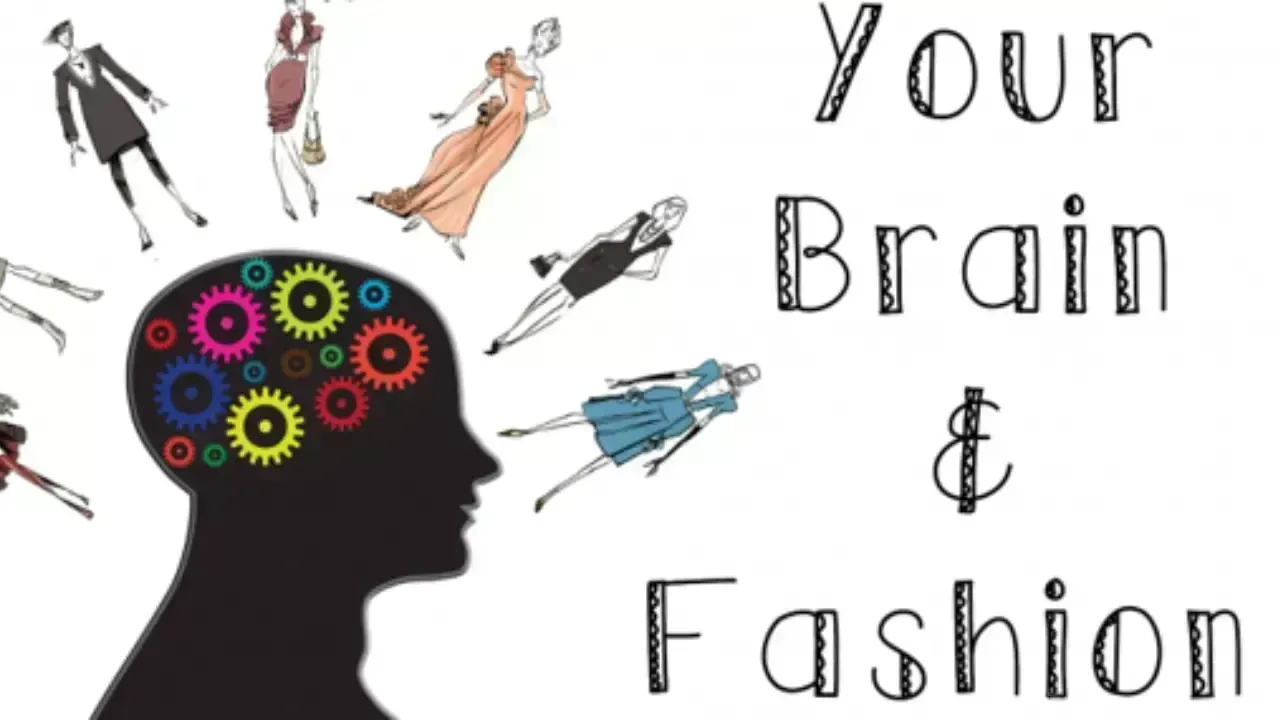
Post by : Anis Farhan
Fashion is often dismissed as superficial, but human behaviour suggests otherwise. People may say they dress for comfort, practicality, or taste, yet their clothing choices consistently reveal deeper emotional and psychological motivations. What individuals wear is rarely accidental. It is shaped by subconscious needs, social signals, internal narratives, and the desire to manage how they are perceived by the world.
The psychology of fashion operates quietly. It does not announce itself. It works beneath awareness, guiding decisions long before logic enters the picture. To understand fashion is not to understand fabric or trends—it is to understand the human mind.
Humans are social beings, and long before language developed, appearance was communication. Clothing became a silent vocabulary that conveyed status, role, safety, and belonging.
Even today, fashion functions as a non-verbal language. People read clothing instinctively. Within seconds, assumptions are formed about competence, confidence, openness, authority, creativity, or threat. These judgments may be inaccurate, but they are automatic.
What people truly want from fashion is interpretive control—the ability to guide how others read them before a single word is spoken.
At its core, fashion satisfies one of the strongest psychological drives: the need to belong.
Humans are deeply sensitive to social inclusion. Clothing helps individuals signal alignment with a group—whether cultural, professional, generational, or ideological. Dressing “appropriately” reduces social friction and lowers the risk of rejection.
This is why trends spread so quickly. Following a trend is not about admiration for the design itself, but reassurance that one is not out of sync with their environment.
What people really want is safety through similarity.
At the same time, humans crave distinction. The psychological tension between standing out and fitting in is one of fashion’s most powerful engines.
People want to feel unique—but not alienated. Fashion offers a controlled way to express individuality within acceptable boundaries. A slight variation, a personal twist, or a subtle deviation allows someone to feel seen without feeling exposed.
This explains why extreme fashion rarely goes mainstream. Most people do not want to be misunderstood. They want recognition, not confusion.
Fashion becomes the negotiation between self-expression and social acceptance.
What people wear often reflects how they want to feel, not how they already feel.
During periods of stress, uncertainty, or vulnerability, fashion becomes protective. Structured silhouettes, darker colours, heavier fabrics, and minimal designs are often chosen during emotionally demanding times. These choices create a sense of control and boundary.
Conversely, during moments of confidence or freedom, people gravitate toward fluid shapes, brighter colours, and experimental styles.
Fashion acts as emotional regulation—clothing the psyche as much as the body.
Status remains a powerful psychological driver, even in cultures that claim to reject hierarchy.
People may avoid overt displays of wealth, but subtle cues still matter. Quality, fit, restraint, and familiarity with unspoken style codes all communicate position within a social structure.
Interestingly, overt luxury is often less about status and more about reassurance. Those who feel uncertain are more likely to seek visible validation. Those who feel secure often signal status quietly.
What people want is not to appear superior—but to avoid feeling inferior.
Identity is not fixed; it is continuously constructed. Fashion provides a tangible way to experiment with who one is becoming.
Life transitions—new jobs, ageing, relocation, emotional shifts—often trigger changes in personal style. Clothing helps individuals align their external appearance with their evolving internal narrative.
This is why people often say they feel “more like themselves” in certain outfits. It is not the clothes—it is the alignment.
Fashion gives people permission to be who they are trying to become.
Comfort in fashion is psychological as much as physical.
People often return to silhouettes, colours, or styles associated with periods of emotional stability. A familiar jacket, a repeated colour palette, or a trusted cut can evoke safety and continuity.
In uncertain times, fashion becomes conservative not because people dislike novelty, but because familiarity reduces cognitive load. The brain seeks predictability when overwhelmed.
Comfort dressing is not laziness—it is emotional self-preservation.
Trend fatigue is increasingly common, and psychology explains why.
Trends demand constant adaptation. They require people to update their appearance to remain socially relevant. For many, this creates anxiety rather than excitement.
As a result, people are shifting toward personal consistency over trend participation. The desire is not to abandon fashion, but to reclaim agency.
What people want is stability in self-image, not endless reinvention.
Clothing carries memory.
Certain garments become emotional anchors—associated with relationships, achievements, losses, or personal milestones. These items are often kept long after they are worn.
This is why decluttering wardrobes can feel emotionally difficult. Letting go of clothes sometimes feels like letting go of versions of oneself.
Fashion stores personal history in fabric.
Modern consumers are highly sensitive to inauthenticity. This applies to fashion as much as branding.
People are drawn to styles that feel honest, intentional, and grounded. Excessive performance or forced identity signals are increasingly rejected.
Authenticity in fashion is not about simplicity—it is about coherence. When clothing aligns with behaviour, environment, and values, it feels right.
People want clothes that reflect who they are, not who they think they should be.
Fashion has long enforced rigid roles. The psychological shift today is not just about aesthetics, but autonomy.
People want freedom from rules that feel arbitrary. Gender-fluid fashion, relaxed tailoring, and flexible silhouettes reflect a desire to move without constraint—both physically and psychologically.
This is less about rejecting tradition and more about rejecting limitation.
Fashion becomes a tool for reclaiming personal authority.
One of the most misunderstood aspects of fashion psychology is aspirational buying.
People often buy clothes for imagined futures—events, moods, versions of themselves that feel just out of reach. These purchases are not mistakes; they are expressions of hope.
Even unworn garments serve a psychological purpose. They represent possibility.
What people want is not always utility—it is potential.
Fashion extremes often mirror emotional states.
Minimalism can reflect clarity, control, or emotional fatigue. Maximalism can reflect confidence, joy, or the need to be seen.
Neither is inherently superior. They are responses to internal conditions, not design philosophies.
Understanding this removes judgment from style choices and reveals fashion as emotional expression rather than taste hierarchy.
While fashion feels personal, choices are shaped by availability, marketing, algorithms, and social exposure.
People believe they choose freely, but their preferences are influenced long before the decision moment. This does not eliminate agency, but it complicates it.
What people truly want is not unlimited choice, but meaningful choice—options that resonate rather than overwhelm.
Being seen is not always comfortable.
Fashion exposes individuals to judgment. Every outfit risks misinterpretation. This vulnerability explains why many people default to “safe” choices even when they admire bold styles.
What people want is visibility without risk.
Fashion persists because it serves psychological needs that do not disappear.
As long as humans seek belonging, identity, control, comfort, and meaning, fashion will remain relevant. It evolves not because of designers alone, but because human psychology evolves.
Fashion is not shallow—it is symbolic.
At its deepest level, fashion is not about impressing others. It is about managing internal states in a social world.
People want:
To belong without disappearing
To express without being exposed
To feel secure without feeling constrained
To evolve without losing themselves
Clothing becomes the bridge between inner experience and outer reality.
The hidden psychology of fashion reveals that style is not about what people wear—it is about why they wear it.
Fashion is a mirror of human vulnerability, desire, fear, and aspiration. It is one of the few daily tools people use to negotiate identity, emotion, and society simultaneously.
Understanding fashion, then, is not about predicting trends. It is about understanding people.
Disclaimer:
This article is for informational purposes only and does not constitute psychological, medical, or professional advice.










PM Modi Pays Tribute to Mahatma Gandhi, Urges People to Support Khadi
PM Modi pays tribute to Mahatma Gandhi on Gandhi Jayanti and urges citizens to support Khadi and the

Amazon Seeks to Offload $8 Billion in Nvidia Chips to Investors
Amazon plans to move $8 billion in Nvidia chips to investors, using a new financing model to strengt

Samsung Raises Galaxy S26 Prices as Memory Chip Costs Rise
Samsung raises Galaxy S26 prices in South Korea as rising memory chip costs put pressure on smartpho

Lewis Hamilton Calls Singapore Grand Prix One of F1's Toughest Races
Lewis Hamilton discusses the demanding Singapore Grand Prix and brings Plus44 and Almave to Singapor

Denmark's Pandora Opens World's Largest Jewellery Factory in Vietnam
Pandora opens its largest jewellery factory in Vietnam, expanding global production, strengthening s

Gautam Gambhir Questions Batting-Friendly Pitches After India's Record ODI Chase
Gautam Gambhir questions batting-friendly ODI pitches after India’s record chase, calling for a bett

