
You have not yet added any article to your bookmarks!
Join 10k+ people to get notified about new posts, news and tips.
Do not worry we don't spam!
Post by : Samjeet Ariff
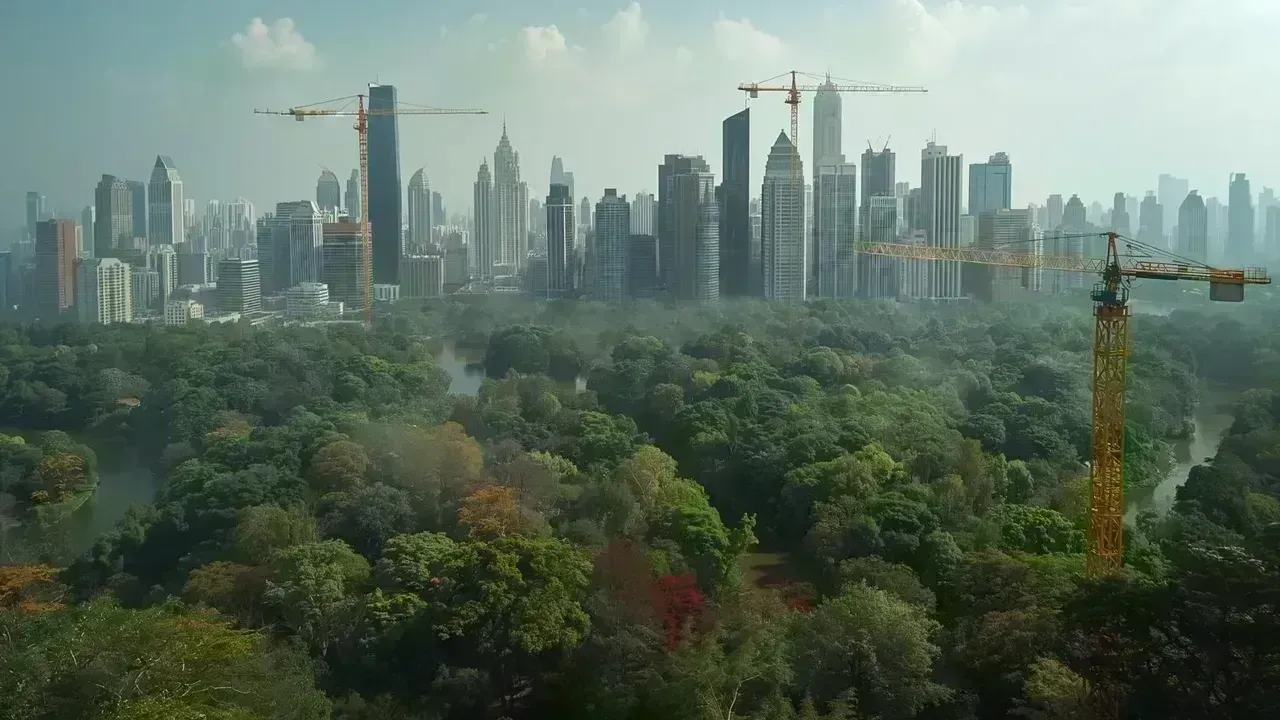
Urban development is often characterized as progress—improving infrastructure, housing, transportation, and economic prosperity. Yet, beneath this facade lies a significant issue: the ongoing disruption of local ecosystems. As urban areas expand through 2026, natural environments are continuously altered, fragmented, or even erased, impacting flora, fauna, water systems, and human well-being.
This article delves into the effects of urban development on local ecosystems, the urgent need for awareness, and how sustainable planning can mitigate long-term damage to the environment.
A local ecosystem consists of a balanced network of living beings—plants, animals, and microorganisms—interconnected with non-living elements such as soil, water, and air in a particular region.
These ecosystems offer vital services like:
Clean air and water
Climate regulation
Flood control
Pollination
Soil fertility
Disruption of this equilibrium can have profound repercussions on both the environment and human health.
Urban expansion typically commences with conversion of land use.
Forests, wetlands, and agricultural terrains are often cleared to make way for roads, residential areas, shopping malls, and industrial hubs. This leads to:
Loss of indigenous plants
Destruction of habitats for wildlife
Reduced biodiversity
Soil degradation
Once natural areas are converted, ecosystems find it challenging to restore themselves.
Urbanization not only removes habitats—it creates isolated patches.
Animals lose vital migration routes
Breeding habits are disrupted
Genetic diversity declines
Species face increased extinction risks
Urban wildlife frequently encounters human conflict, causing injuries and population declines.
Urbanization often favors a limited number of adaptable species, leading to the extinction of many others.
Decrease in native plant species
Decline in essential pollinators like bees and butterflies
Disappearance of various small mammals and birds
Reduced biodiversity weakens ecosystems, making them less resilient to threats like climate change.
Urban development greatly transforms natural water cycles.
Wetlands are often drained or filled
Natural waterways are redirected or obscured
Increased runoff due to urban surfaces
This results in flooding, contamination, and diminished groundwater replenishment.
Polluted runoff introduces chemicals, oil, plastics, and waste into aquatic ecosystems, severely harming fish and aquatic vegetation.
Cities create urban heat islands, resulting in higher temperatures compared to surrounding rural regions.
Concrete and asphalt trap heat
Reduced greenery limits natural cooling
Increased energy consumption raises heat emissions
Elevated temperatures can stress plant life, shift breeding cycles, and deteriorate air quality.
Urban centers produce considerable air pollution.
Acid rain negatively impacts soil and foliage
Pollutants hinder photosynthesis in plants
Animals face respiratory difficulties
Air pollution erodes ecosystem health and diminishes their support for life.
Healthy soil is vital for robust ecosystems.
Sealing prevents water absorption
Construction strengthens soil compaction
Contamination reduces soil fertility
Compromised soil health impacts plant growth and food chains.
Urban places create constant noise and artificial lighting.
Communication among animals is disrupted
Migration and sleep patterns are affected
Increased stress and lowered reproduction
Many species depend on natural sounds and darkness to thrive.
Cities unknowingly support invasive species.
Disturbances favor aggressive growth of certain species
Reduced competition from indigenous plants
Human transport facilitates the spread of non-native organisms
Invasive species often outcompete native ecosystems, leading to an imbalance.
Environmental harm doesn’t only affect nature; it has direct repercussions for human society.
Heightened risks of flooding and heatwaves
Deterioration in air and water quality
Loss of parks and natural recreational spaces
Increased health hazards
Robust ecosystems serve as natural buffers for urban areas.
Urban expansion does not need to compromise ecosystems.
Safeguarding green spaces
Conserving wetlands and forests
Integrating parks and green corridors
Controlling urban sprawl
Sustainable urban design harmonizes development with ecological responsibility.
Green infrastructure emulates natural processes.
Living roofs and walls
Permeable surfaces
Urban wetlands
Rain gardens
These techniques help to mitigate runoff, regulate temperatures, and enhance biodiversity.
Require less irrigation
Support regional wildlife
Enhance soil vitality
Boost climate resilience
Native vegetation restores ecological integrity even within urban environments.
When communities are proactive, urban ecosystems flourish.
Champion green projects
Curb waste and pollution
Safeguard local green areas
Advocate for sustainable options
Even minor actions can foster significant change.
By 2026, urban areas will accommodate over half of the world’s population. The key challenge lies not in halting development but in rethinking how it is executed.
Cities that prioritize their ecosystems can ultimately offer:
Enhanced climate resilience
Improved public health
Sustainable economic practices
Superior living standards
Urbanization and nature can be coexistent.
While urban development alters landscapes, optimal long-term outcomes hinge on understanding and respecting ecological boundaries. When ecosystems falter, urban settings falter; when ecosystems flourish, cities become sustainable.
Preserving local ecosystems is not merely an environmental concern—it is a necessity for our survival.
This article serves solely for informational and educational purposes. The environmental impacts stemming from urban growth differ based on location, planning approaches, and governance frameworks. The content should not substitute for professional environmental, urban planning, or policy counsel. Readers are encouraged to seek insights from qualified experts and local officials regarding specific environmental evaluations or planning frameworks.








Will O'Rourke Ruled Out of New Zealand's India Series
New Zealand fast bowler Will O'Rourke will miss the India series with hamstring and calf injuries as

AI Companies Expected to Drive Most US Earnings Growth in Q3
AI companies are expected to drive US third-quarter earnings growth as investors assess tech profits

Money Market Funds See Record Inflows as Global Bond Selloff Intensifies
Global money market funds attract $153.81 billion as bond yields rise, inflation fears persist and i

Meta Bans TikTok Ads on Facebook and Instagram in Seven Countries
Meta has banned TikTok ads in seven countries, escalating competition over social media users, adver

ASML and Zeiss Target Next-Generation Chip Technology in 10 Years
ASML and Carl Zeiss are developing Hyper NA technology to print smaller chip circuits, with the next

Rabada Misses First Australia Test as South Africa Pick Two Spinners
Kagiso Rabada misses the opener as South Africa vs Australia begins, with Anrich Nortje returning an

