You have not yet added any article to your bookmarks!
Join 10k+ people to get notified about new posts, news and tips.
Do not worry we don't spam!
Post by : Saif Rahman
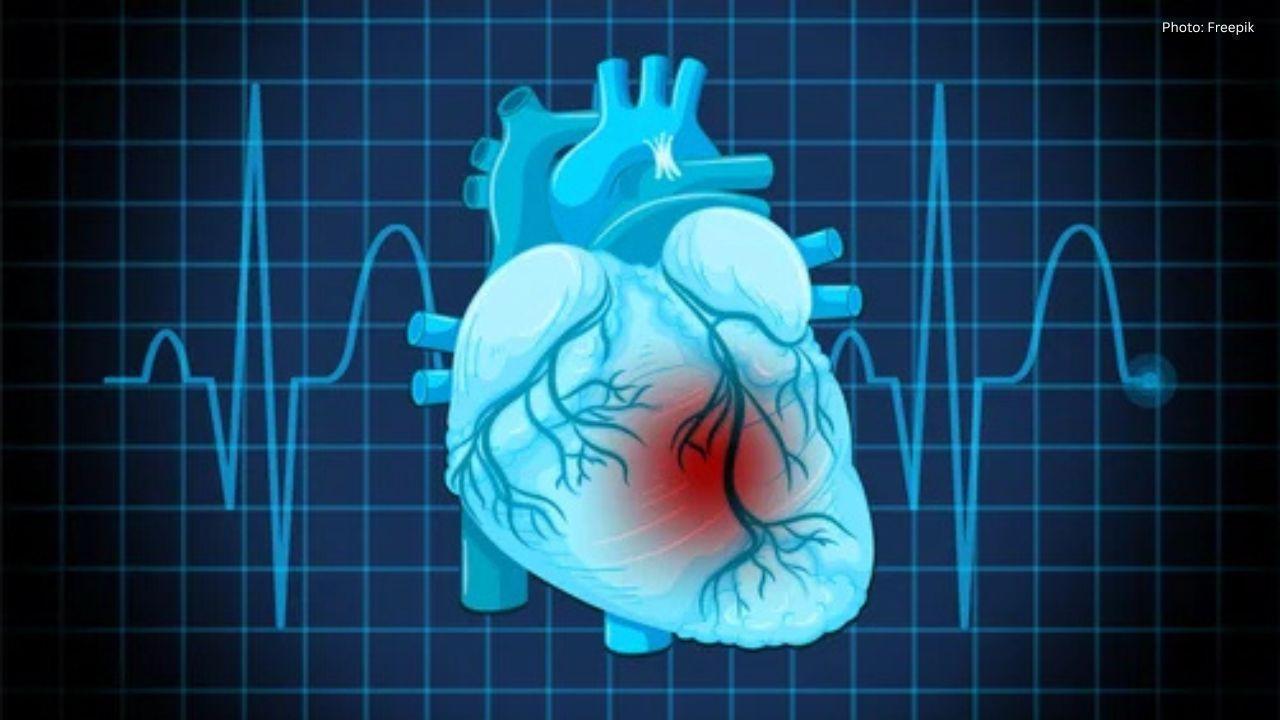
Heart attacks present a significant global health challenge, impacting individuals of all ages. It is often said that “time is muscle,” highlighting the urgency of addressing heart attack symptoms promptly. Dr. Keshava R, a senior interventional cardiologist at Manipal Hospital, elucidates the critical nature of rapid intervention and the efficacy of contemporary medical solutions in safeguarding heart health.
The Centers for Disease Control and Prevention reports that heart attacks result in substantial fatalities annually. A vast number of these incidents can be avoided with timely symptom recognition and medical attention. Dr. Keshava cautions that neglecting symptoms like chest discomfort can result in irreversible harm to the heart.
He notes that the initial hour following the onset of a heart attack is termed the “golden hour.” Delivering treatment during this timeframe can mitigate damage to heart muscle to below 10 percent. Conversely, prolonging treatment leads to increased risk; after six hours, approximately 25 percent of muscle may sustain damage, escalating to 50 percent within 12 hours, and potentially 90 percent after 24 hours. Thus, the longer one hesitates, the more challenging it becomes to preserve heart function.
Many individuals delay hospital visits due to anxiety about surgery or a belief that the pain will subside. Dr. Keshava emphasizes that symptoms such as chest pain, shortness of breath, unexpected fatigue, rapid heartbeat, or fainting require immediate medical evaluation. Moreover, time lost is critical; roughly 10 percent of heart attack patients may experience sudden cardiac death within an hour due to severe heart rhythm irregularities and a dramatic drop in blood pressure.
For those who reach the hospital promptly, healthcare providers can swiftly conduct tests to verify a heart attack occurrence. These assessments typically include an ECG to evaluate heart electrical activity, an echocardiogram for heart motion analysis, and a troponin blood test to assess muscle injury. Emergency interventions like aspirin and cholesterol-lowering medications are typically administered immediately to prevent clot exacerbation.
Dr. Keshava also discusses the fundamental treatment avenues available. The first is thrombolytic therapy, which employs specialized medication to dissolve blood clots obstructing flow. This method remains viable for facilities lacking sophisticated equipment, yet around 7 to 8 percent of patients might still succumb despite treatment.
Primary angioplasty emerges as a second, critical method, wherein a thin catheter is introduced into the blocked artery to restore blood flow. When conducted within 90 minutes of hospital arrival, mortality rates can be reduced to approximately 4 percent, marking angioplasty as a leading emergency solution for heart attacks.
Additionally, state-of-the-art hospitals utilize advanced technologies to bolster the effectiveness and safety of angioplasty procedures. Certain facilities implement laser angioplasty, utilizing targeted light to remove obstructions gently. Other tools may dissolve or eliminate calcium deposits within arteries, enhancing the likelihood of successful blood flow restoration.
Dr. Keshava emphasizes that modern advancements have rendered heart attack care more efficient, safer, and less intimidating than generally perceived. His crucial takeaway is to act without hesitation: prompt treatment is vital to preserving heart muscle and saving lives. When heart pain or other indicators arise, swift action remains the best safeguard for heart health.
This article reflects expert medical opinions and aims to inform readers. It should not replace professional medical advice. Always consult a healthcare provider if you experience symptoms indicative of a heart condition.








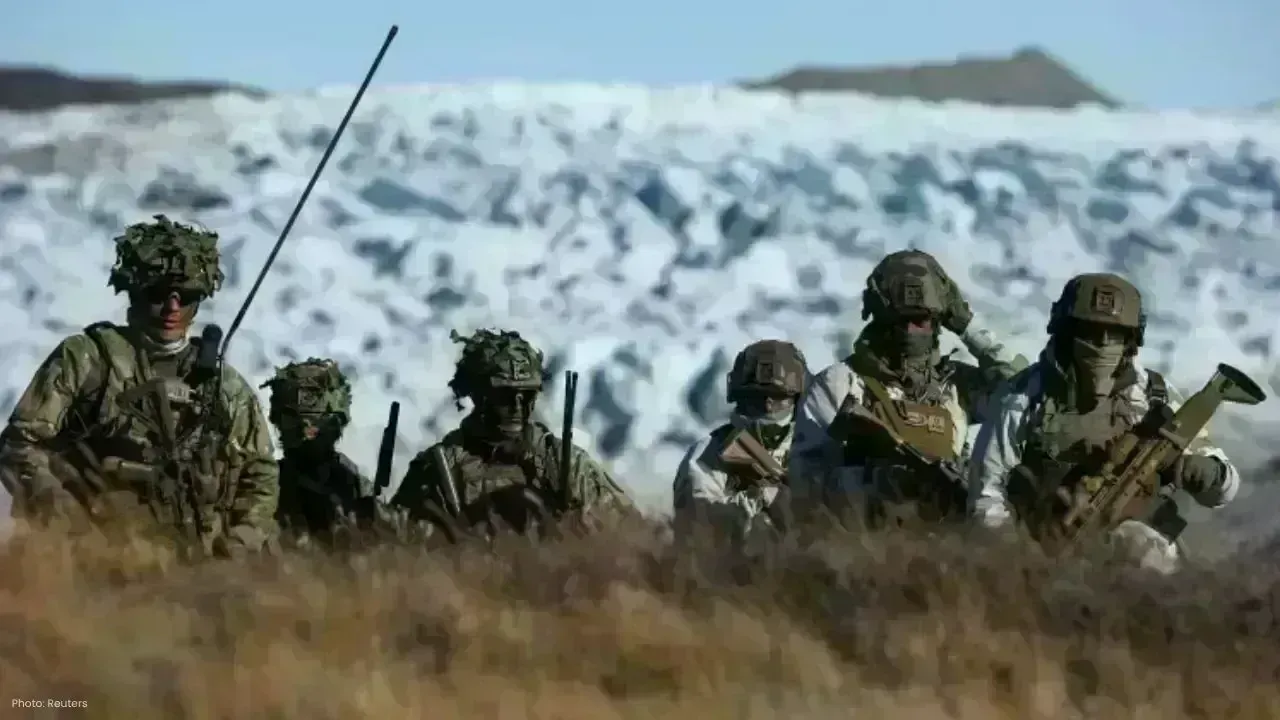
Denmark Cautions NATO's Stability Threatened by US Moves on Greenland
Denmark's Prime Minister warns NATO could collapse if the US attempts military action in Greenland a

Agastya Nanda’s Ikkis Sees Box Office Decline on Monday
Ikkis earned Rs 1.13 crore on its first Monday despite strong opening, facing tough competition from

Lakshya Sen Wins, Malvika Bansod Loses at Malaysia Open 2026
Lakshya Sen advances to second round at Malaysia Open, while Malvika Bansod exits early after return

Nvidia's CEO Introduces Vera Rubin AI Chips Promising 5x Performance Gains
Nvidia has officially launched its Vera Rubin AI chips, aiming for faster chatbots, reduced costs, a

Avatar: Fire and Ash Surpasses $1 Billion Globally
James Cameron's latest installment, Avatar: Fire and Ash, has crossed $1.03 billion worldwide, showc
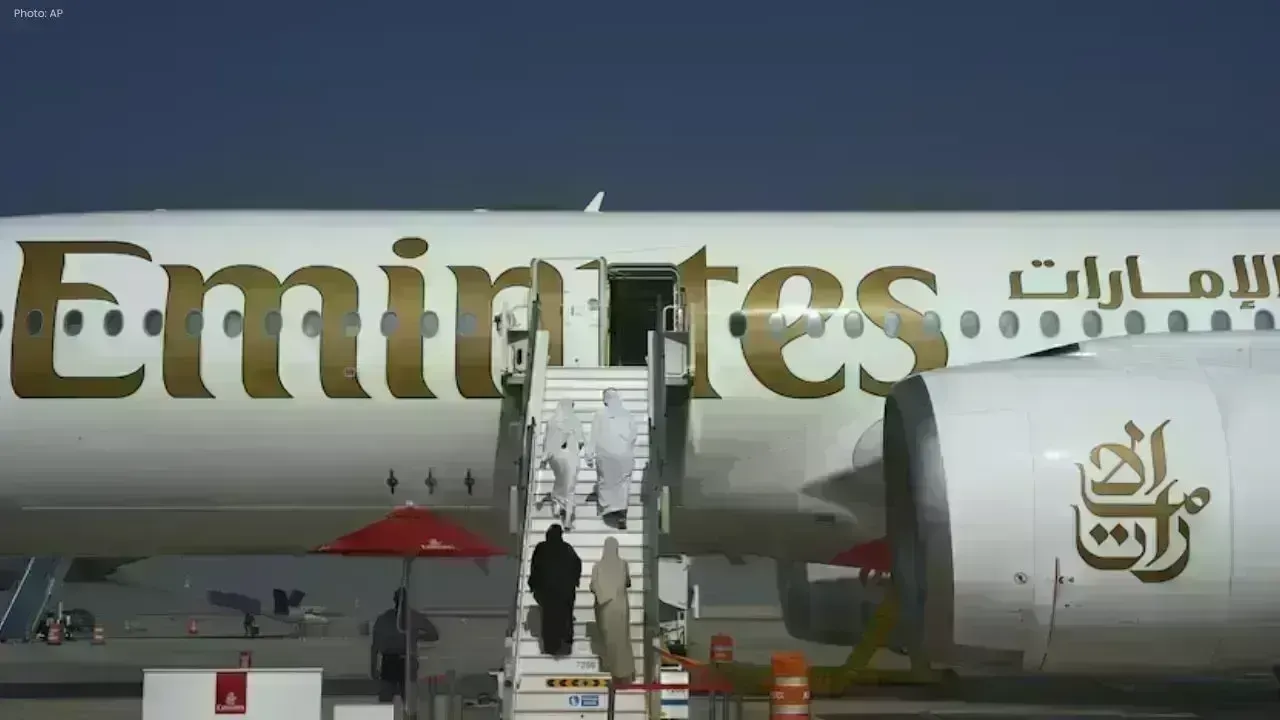
Canada Opens Skies to Middle East Airlines, Raising Competition Bar
Canada is expanding flight access for Saudi and UAE airlines, increasing competition and pressuring