
You have not yet added any article to your bookmarks!
Join 10k+ people to get notified about new posts, news and tips.
Do not worry we don't spam!
Post by : Samjeet Ariff
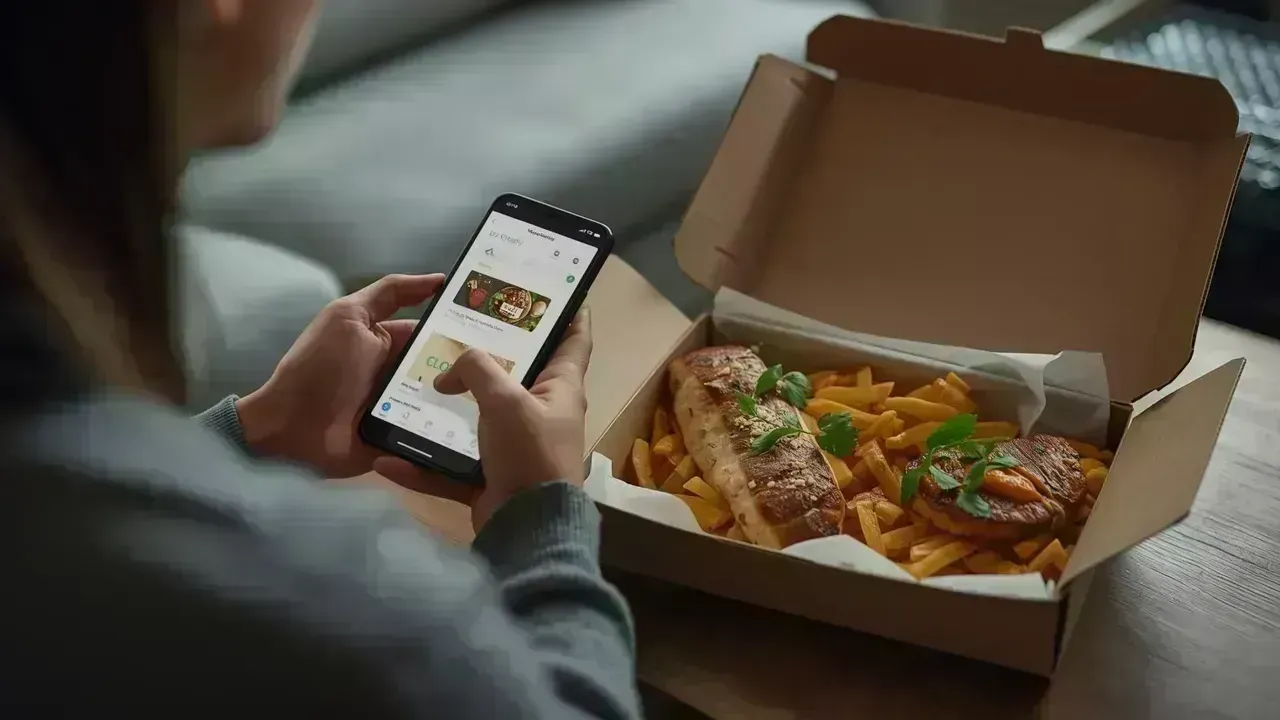
Food delivery services have significantly altered how individuals prioritize meals, approaching food, and make everyday dining choices. Initially designed for those busy nights, these platforms have become a permanent transformation in dining practices, affecting nutrition, portion control, meal schedules, cultural food variety, and even mental well-being. Whether catering to students, busy professionals, families, or the elderly, these delivery services are now integral to our daily routines.
This article delves into how food delivery apps are reshaping eating habits, discussing both beneficial and adverse effects, as well as the implications for long-term health and lifestyle.
These apps have fostered a culture where food is accessible whenever and wherever, frequently arriving within a half-hour.
In the past, traditional meal preparation involved:
Shopping for groceries
Dedicated cooking time
Making advance meal decisions
Delivery apps have eliminated these steps, leading to:
Decreased meal planning
More spontaneous food selections
Eating driven by cravings instead of hunger
Food is no longer a prepared item—it’s something users explore and choose.
Many customers now order food:
Multiple times each week
Even for individual meals
Instead of preparing easy home-cooked options
This trend normalizes living off takeout, blurring the distinctions between homemade and restaurant meals.
Food delivery services have transformed not only what individuals consume but also when they eat.
With around-the-clock delivery capabilities:
Late-night snacking has surged
Dinner hours have stretched
Midnight snacks are common among younger users
Erratic eating can upset digestion, sleep patterns, and metabolic health.
Many individuals forgo breakfast or lunch, knowing they can order at a later time. This results in:
Prolonged intervals between meals
Overeating during delivery meals
Compromised nutritional balance throughout the day
Apps encourage dining based on convenience rather than routine.
Restaurant serving sizes tend to be greater than those prepared at home.
Home cooking usually allows for natural portion control. However, delivery meals frequently feature:
Larger portions
Extra sides
Suggested add-ons through app prompts
Consequently, this may result in:
Elevated calorie consumption
Unmindful eating practices
Less awareness of feeling full
Delivery apps frequently encourage:
Value meal offers
Buy-one-get-one deals
Upsized options
These promotions can lead users to consume more food than necessary due to the perceived value.
Food delivery apps provide hundreds of choices in a matter of seconds.
The constant availability of options results in:
Increased stress during meal selection
Impulsive food choices
Preference for familiar, often unhealthy items
Rather than deliberate decision-making, users tend to select quickly to end the process.
These apps often act as catalysts for:
Stress-relief eating
Boredom snacking
Reward-oriented eating
Promotional alerts and enticing food images can provoke cravings even in the absence of hunger.
Food delivery services are influencing nutrient intake significantly.
The most frequently ordered items include:
Fried foods
High-sodium selections
Sugary soft drinks
Refined carbs
These dishes prioritize flavor and logistics over nutritional value.
When cooking at home, individuals control:
Ingredients used
Oil quantities
Sodium levels
Delivery often strips away this control, leading to excess:
Sodium
Saturated fats
Unseen sugars
Over time, this pattern negatively affects heart health, weight, and energy levels.
Food delivery apps are reshaping people's connection to cooking.
Reliance on delivery leads to:
Reduced cooking abilities
Declined confidence in simple meal preparation
Younger generations are cooking less frequently
Cooking has transitioned from a daily activity to an infrequent task.
Home-cooked meals historically bring families together. Increased delivery options result in:
Individual orders
Different eating schedules
Fewer shared meals
This clearly affects familial bonding and mindful eating practices.
Not all effects are detrimental.
Food delivery services allow users to experience:
Regional specialties
International dishes
Small local eateries
This promotes culinary curiosity and cultural understanding.
Many small establishments depend on delivery platforms to:
Engage broader audiences
Manage high rent challenges
Explore new menu offerings
Delivery platforms have democratized food accessibility across urban areas.
Ultimately, habitual delivery shapes health indicators.
Frequent orders are correlated with:
Increased calorie intake
Decreased physical activity
Heightened sedentary lifestyle
Together, this escalates the likelihood of obesity and metabolic disorders.
Engaging with screens while eating results in:
Quicker consumption rates
Poor digestive health
Lowered satisfaction
Food shifts from being nourishment to mere sustenance or entertainment.
Food delivery apps function with specific objectives.
Algorithms tend to promote:
Frequent orders
Profit-driven items
Comfort food picks
Healthier selections often have lower visibility unless specifically sought out.
Time-sensitive promotions influence:
Food choices
Order quantities
Timing of orders
Consumers base their meals on deals rather than nutritional needs.
Despite the uncertainties, applications can foster healthier practices when utilized thoughtfully.
Numerous platforms now feature:
Menus with calorie information
Diet-focused filters
Control over portion sizes
Users making deliberate choices can ensure balance.
For those with limited time, delivery apps can prevent:
Meal skipping
Effortless junk food reliance
Extreme hunger pangs
When used wisely, apps can promote consistency.
The essential factor influencing eating patterns is how individuals engage with these platforms.
Limiting order frequency
Selecting balanced meals
Steering clear of impulsive purchases
Planning delivery days beforehand
Apps serve as aids, not rules.
A blended strategy yields the best results:
Cooking at home on regular days
Relying on delivery for convenience or social events
Simple meal prep alongside occasional delivery orders
Balance protects health without eliminating convenience.
Food delivery apps will keep evolving.
Anticipated trends might include:
AI-driven nutritional recommendations
Personalized meal health scores
Portion guidance
Encouragement of sustainable packaging
Eating habits will increasingly reflect digital food landscapes.
Food delivery apps have fundamentally altered eating habits, making meal choices faster, easier, and more emotionally driven. They have decreased cooking frequency, modified meal timings, expanded portion sizes, and shifted nutritional content. Simultaneously, they have improved food diversity and accessibility.
The true effects hinge on awareness and moderation. When used thoughtfully, food delivery apps can complement healthy practices. Conversely, thoughtless usage can stealthily undermine nutrition and lifestyle balance.
Today's food selections are not merely personal—they're influenced by technology.
This content is for informational purposes and doesn't represent medical, nutritional, or dietary advice. Eating habits and health outcomes differ based on individual lifestyles, metabolic rates, and medical conditions. Readers are encouraged to consult qualified healthcare or nutrition specialists before undertaking significant dietary modifications.









Will O'Rourke Ruled Out of New Zealand's India Series
New Zealand fast bowler Will O'Rourke will miss the India series with hamstring and calf injuries as

AI Companies Expected to Drive Most US Earnings Growth in Q3
AI companies are expected to drive US third-quarter earnings growth as investors assess tech profits

Money Market Funds See Record Inflows as Global Bond Selloff Intensifies
Global money market funds attract $153.81 billion as bond yields rise, inflation fears persist and i

Meta Bans TikTok Ads on Facebook and Instagram in Seven Countries
Meta has banned TikTok ads in seven countries, escalating competition over social media users, adver

ASML and Zeiss Target Next-Generation Chip Technology in 10 Years
ASML and Carl Zeiss are developing Hyper NA technology to print smaller chip circuits, with the next

Rabada Misses First Australia Test as South Africa Pick Two Spinners
Kagiso Rabada misses the opener as South Africa vs Australia begins, with Anrich Nortje returning an

