
You have not yet added any article to your bookmarks!
Join 10k+ people to get notified about new posts, news and tips.
Do not worry we don't spam!
Post by : Rameen Ariff
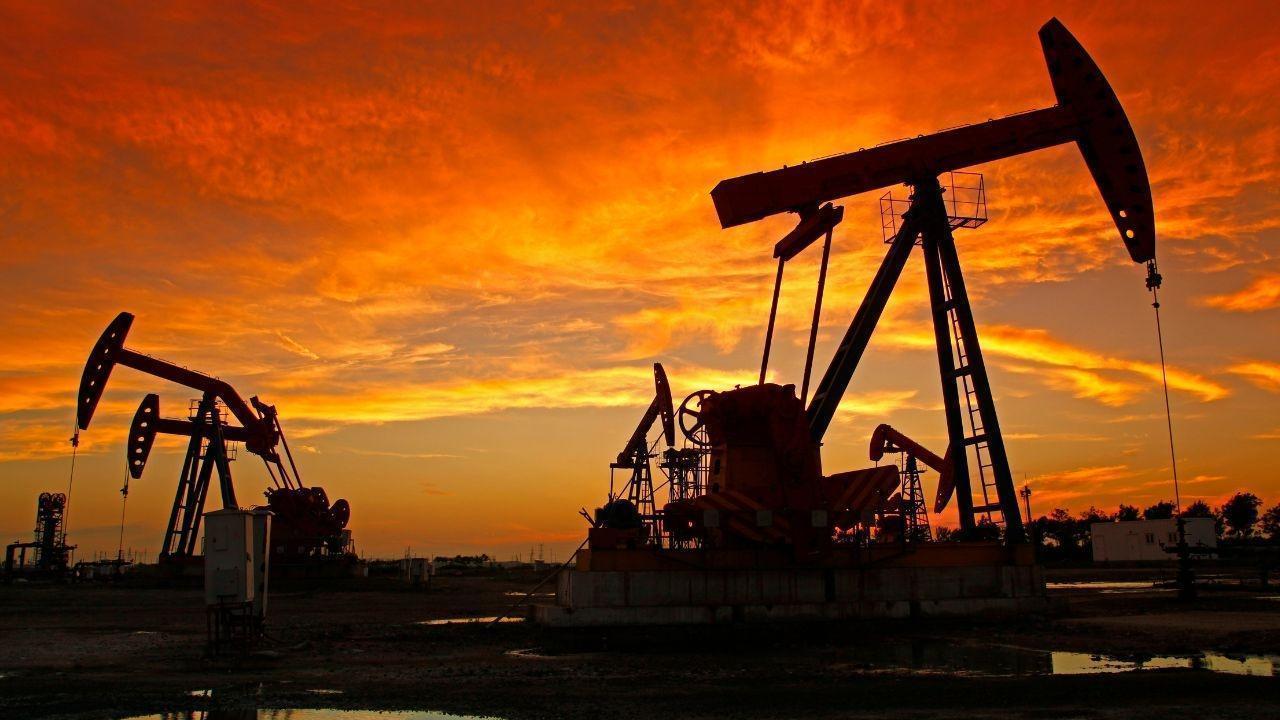
In a recent statement, U.S. President Donald Trump announced that India is set to stop importing Russian oil, positing that this decision could assist him in facilitating a peace deal between Russia and Ukraine. This claim comes amid extensive tariffs imposed by Washington on India's continued oil trade with Russia.
During a press briefing at the White House, Trump stated that Prime Minister Narendra Modi assured him of India’s intentions to quickly phase out Russian seaborne crude purchases. While he acknowledged that the transition would be gradual, he indicated that an agreement has been reached.
“Prime Minister Modi has confirmed that India will cease purchasing oil from Russia. The timeline might be gradual, but it’s underway,” Trump remarked.
Further, Trump argued that a halt in Indian oil imports from Russia would facilitate his diplomatic efforts to negotiate peace between Kyiv and Moscow, adding, “If India stops buying Russian oil, it creates a conducive environment for dialogue.” He suggested that normal diplomatic relations could resume post-conflict.
To date, the Indian government has refrained from officially addressing Trump’s comments. New Delhi has long characterized its oil trading with Russia as a matter of national interests and energy security. Officials emphasize that energy procurement is dictated by market demands, not external pressures.
With its rapid economic growth, India relies significantly on oil imports to satisfy its energy requirements. The country's pursuit of Russian crude has seen an uptick, notably given the price advantages following Western sanctions limiting Russia's access to European markets after its invasion of Ukraine.
Despite U.S. urgings, New Delhi continues to assert that its oil purchases from Russia contribute to stable domestic fuel prices. Moreover, India has referred to the American tariffs as “unjust and discriminatory,” arguing that they disproportionately impact a developing nation.
This year, the Trump administration enacted a 25% punitive tariff on India's oil purchases from Russia, supplementing existing trade tariffs. This has surged India's import tariffs to almost 50%, ranking among the most severe imposed by the U.S.
Trump has termed these “secondary tariffs,” designed to dissuade nations from financially endorsing Moscow amid the Ukraine crisis. Interestingly, China, which is the foremost buyer of Russian crude, hasn't encountered equivalent U.S. penalties, highlighting discrepancies in Washington's treatment of these significant Asian nations.
This development complicates U.S.-India relations, which generally thrive on defense and technological collaborations. The energy trade, however, remains a point of contention as Washington works to curb Russia’s oil revenue capabilities.
Contrary to Trump’s assertions, trade data indicates that Russia is still the primary oil supplier to India. As per analysis from Kpler, India represented approximately 34% of all Russian oil shipments in September 2025.
During that month, India imported over 4.5 million barrels per day, signifying an increase from August levels, though a slight decrease compared to last year.
Research from the Centre for Research on Energy and Clean Air (CREA) illustrates that India procured Russian fossil fuels amounting to roughly ₹25,597 crore in September, solidifying its position as the second-largest importer after China.
Although state-owned Indian oil refiners curtailed Russian crude imports by about 45% between June and September, analysts argue this was primarily a result of market dynamics rather than political directives or sanctions.
“The temporary reduction was influenced by market conditions and logistics, rather than a political stance,” remarked an industry expert familiar with the situation.
Current reports from global energy analysts reveal that India's oil imports from Russia were stable in October, averaging around 1.6 million barrels per day. This suggests that despite political rhetoric and tariffs, the energy collaboration between India and Russia remains strong.
Energy specialists note that Indian refiners find Russian crude appealing due to its competitive pricing and flexible payment options, with some transactions conducted in currencies other than the U.S. dollar to optimize India’s foreign exchange reserves.
Trump’s recent remarks indicate an intent to leverage India’s energy decisions to influence Russia’s military actions in Ukraine. By encouraging India and China—two dominant purchasers of Russian oil—to minimize their imports, Washington aims to restrict financial resources flowing into Moscow.
However, experts caution that expecting India to completely withdraw from Russian oil imports may be overly optimistic. “India prioritizes its national interests,” stated an Indian foreign policy specialist. “Balancing ties with both the U.S. and Russia is critical, and decisions will not come easily.”
Trump appears to be banking on his personal rapport with Modi to achieve broader diplomatic objectives regarding the Ukraine situation. The success of this strategy remains uncertain as both Russia and Ukraine stand firm in their positions.
Trump's assertion that India will cease acquiring Russian oil has sparked significant global discourse and raises pivotal questions about the evolving dynamics between the U.S., India, and Russia. While the U.S. endeavors to increase economic pressure on Russia, India remains focused on ensuring affordable energy for its citizens and industries.
As it stands, official statistics and market trends indicate a persistent flow of Russian oil to India, despite political conflicts and stringent U.S. tariffs. The outcome of Trump’s diplomatic outreach—and whether it will realign India’s energy policies—remains a crucial aspect of the intricate international energy and security framework.





Meta Bans TikTok Ads on Facebook and Instagram in Seven Countries
Meta has banned TikTok ads in seven countries, escalating competition over social media users, adver

ASML and Zeiss Target Next-Generation Chip Technology in 10 Years
ASML and Carl Zeiss are developing Hyper NA technology to print smaller chip circuits, with the next

Rabada Misses First Australia Test as South Africa Pick Two Spinners
Kagiso Rabada misses the opener as South Africa vs Australia begins, with Anrich Nortje returning an

Starc Compares Australia's Tough Year to McIlroy's Major Sweep
Mitchell Starc says Australia winning three away Test series and the World Cup would match Rory McIl

France’s Sesterce Plans $11 Billion AI Data Centre in Finland
Sesterce plans a $11 billion AI data centre in Finland, with major expansion, green energy plans and

Danaher to Launch AI-Powered Autonomous Research Lab in 2027
Danaher plans an AI research lab for 2027, combining robotics and automation to speed up drug discov

