You have not yet added any article to your bookmarks!
Join 10k+ people to get notified about new posts, news and tips.
Do not worry we don't spam!
Post by : Saif Rahman
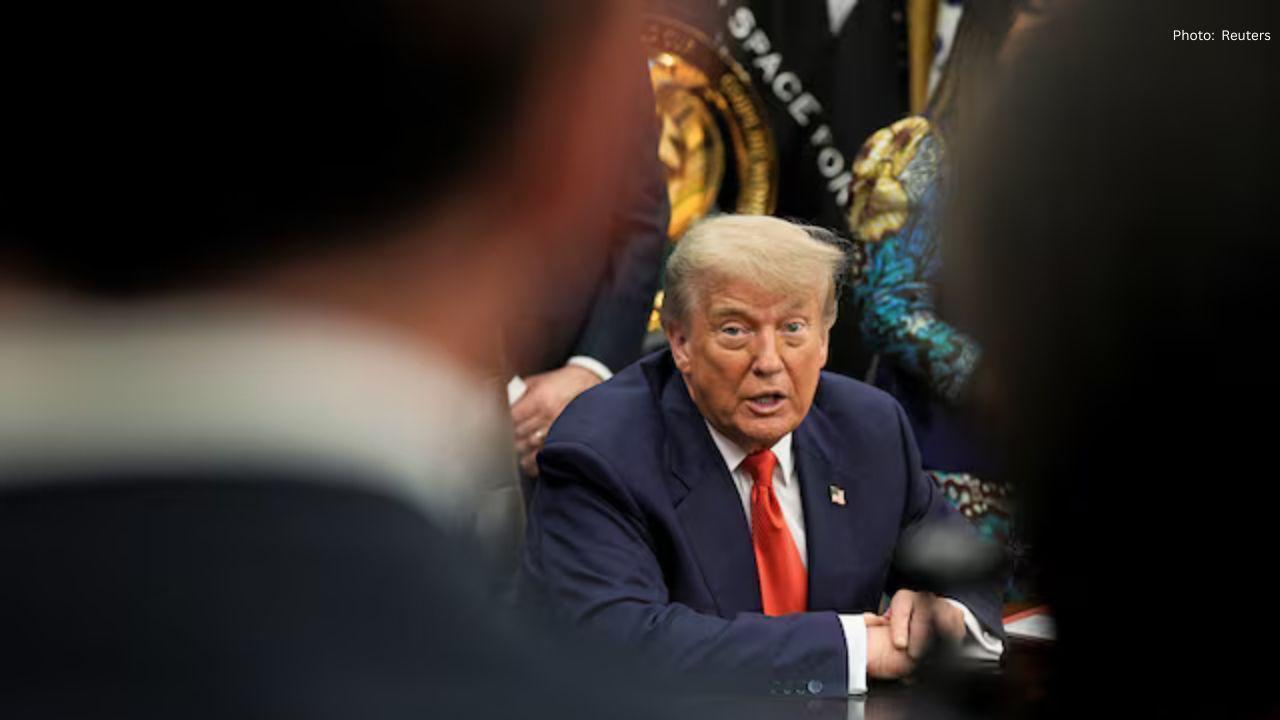
U.S. President Donald Trump convened the leaders of the Democratic Republic of Congo and Rwanda in Washington, marking a fresh initiative to address the persistent conflict in eastern Congo. The meeting included Rwandan President Paul Kagame and Congo's President Felix Tshisekedi, focusing on endorsing two pivotal agreements: a U.S.-backed peace deal and an economic strategy aimed at knitting the two nations closer together.
The agreements were initially broached earlier this year, yet neither has been fully implemented. This recent summit aims to encourage genuine actions toward peace and position the region for significant Western investments, particularly in its mineral resources.
Eastern Congo has witnessed prolonged violence characterized by armed groups, ethnic tensions, and disputes over mineral riches, making it one of the world’s most volatile regions. Earlier this year, the M23 rebel group, reportedly backed by Rwanda, swiftly seized two critical cities, heightening fears of a broader conflict.
The Trump administration is attempting to alleviate these tensions not only for the sake of peace but also to create avenues for foreign investment. The area is abundant in valuable minerals such as cobalt, copper, gold, and lithium, essential for batteries and electronics. The U.S. is eager to ensure access to these resources, with China already having substantial footholds in the global mineral market.
Despite the Washington meeting, experts suggest that real peace remains elusive. Jason Stearns, a prominent analyst, pointed out that while U.S. initiatives may have prevented further escalation, they have failed to address the root causes of the conflict. He noted that both nations remain ensnared in old disputes, with no clear resolution strategy in sight.
A significant hurdle is the exclusion of the M23 rebels from the discussions. This faction remains a potent force in the region, continuing to confront Congo’s military. As tensions flare, both entities have accused each other of violating the latest ceasefire, with Congo’s spokesperson claiming that Rwanda “does not want peace,” an assertion that Rwanda disputes.
Rwanda maintains that it does not support the M23 group and claims its forces are acting solely to protect Rwandan borders against Hutu militia remnants from the 1994 genocide. However, a July U.N. report suggested that Rwanda holds a significant influence over the M23 leadership. The M23 asserts that it is defending Tutsi communities in Congo, though its actions have led to numerous deaths and displacements.
The two devastating wars from 1996 to 2003 in the Great Lakes region resulted in millions of fatalities. The ongoing violence serves as a harsh reminder of that turbulent history. Many households in eastern Congo are engulfed in fear, often forced into overcrowded camps with limited access to food and medical supplies.
The Trump-supported agreement emphasizes that Congo must intensify efforts against the FDLR militia, deemed a threat by Rwanda, while Rwanda is to withdraw its troops from Congo. Yet, progress on these fronts has been minimal so far. Rwandan Foreign Minister Olivier Nduhungirehe expressed hope for improvement following the signing ceremony, although skepticism remains about actual change.
Additionally, Trump aims to bolster his diplomatic stature through this meeting. Since January, he has ventured to play a significant role in addressing conflicts in the Middle East, Ukraine, and other areas. While certain efforts have been fruitful, others have drawn criticism, with many Americans feeling he should focus more on domestic challenges such as rising living costs.
Prior to the meeting, Trump affixed his name to a sign outside the United States Institute of Peace, where the agreement is set to be signed. His administration has previously sought to exert control over this organization, an unusual step for a government body aimed at neutral peacebuilding.
While the ceremony garners attention, the real test lies in eastern Congo. Families await to see if this new commitment will bring peace to their locales. Currently, the situation remains precarious, with experts warning that without unified commitment from all parties, conflict may resurface.
The Washington assembly served as a pivotal moment, yet resolving decades of distrust will require more than a single meeting. Although peace in eastern Congo is conceivable, it demands careful engagement, genuine cooperation, and persistent international pressure.
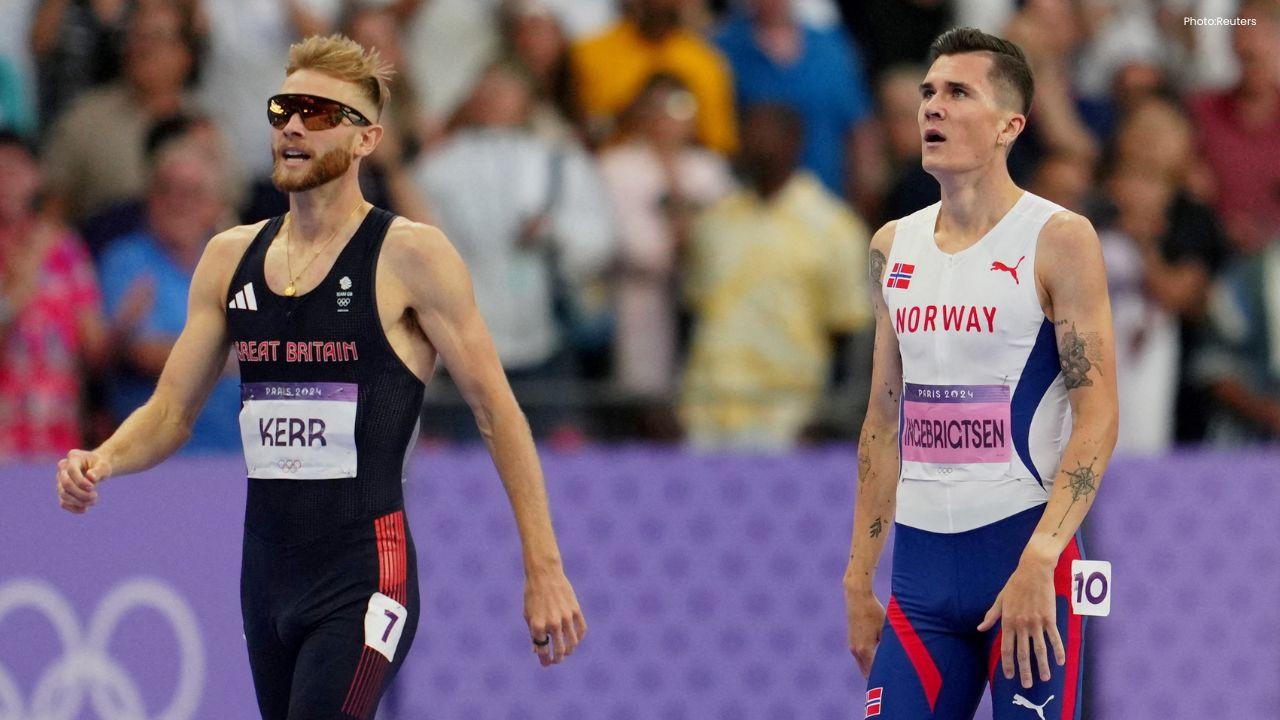




Josh Kerr and Jakob Ingebrigtsen Set for 1,500m Rivalry Rematch
Josh Kerr and Jakob Ingebrigtsen will renew their 1,500m rivalry at the Ultimate Championship in Bud

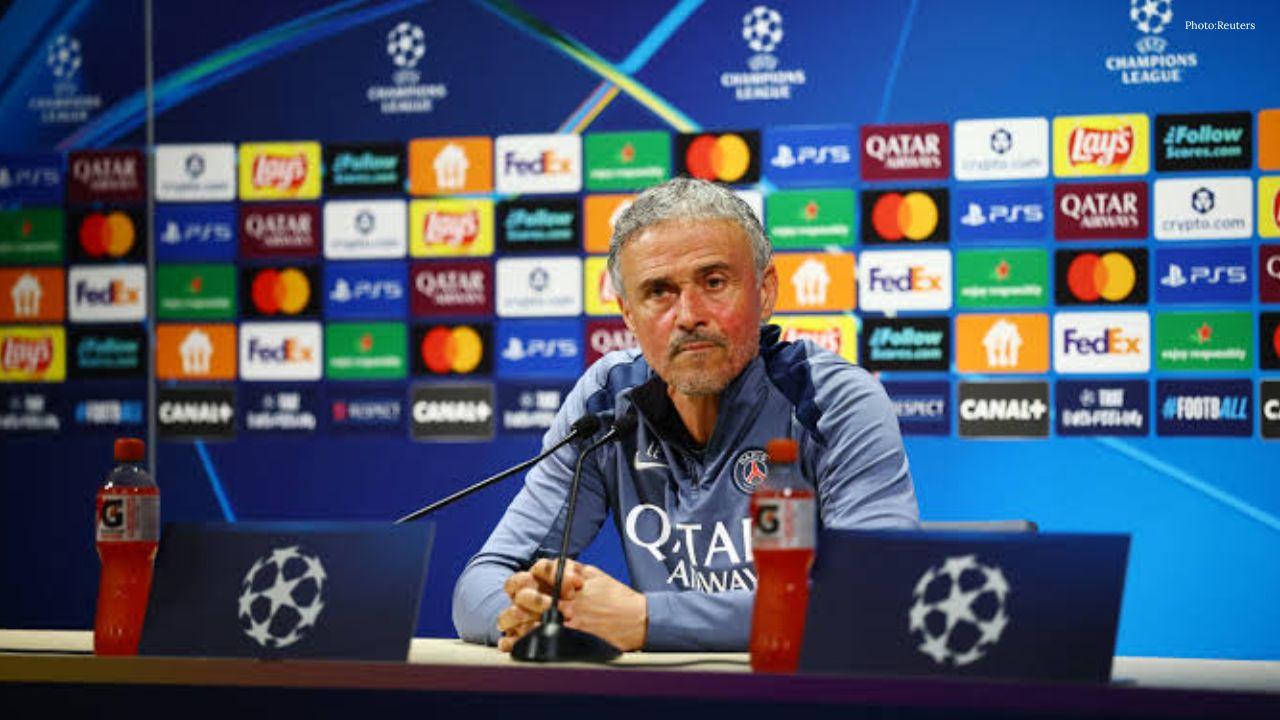
PSG Coach Luis Enrique Urges Players to Step Outside Comfort Zone
PSG coach Luis Enrique says players must leave their comfort zone and keep improving as the club tar

China’s Tiangong Sets New 400m Record at Robot Olympics
China’s Tiangong robot sets a new 400m record at the Robot Olympics, beating a South African robot i
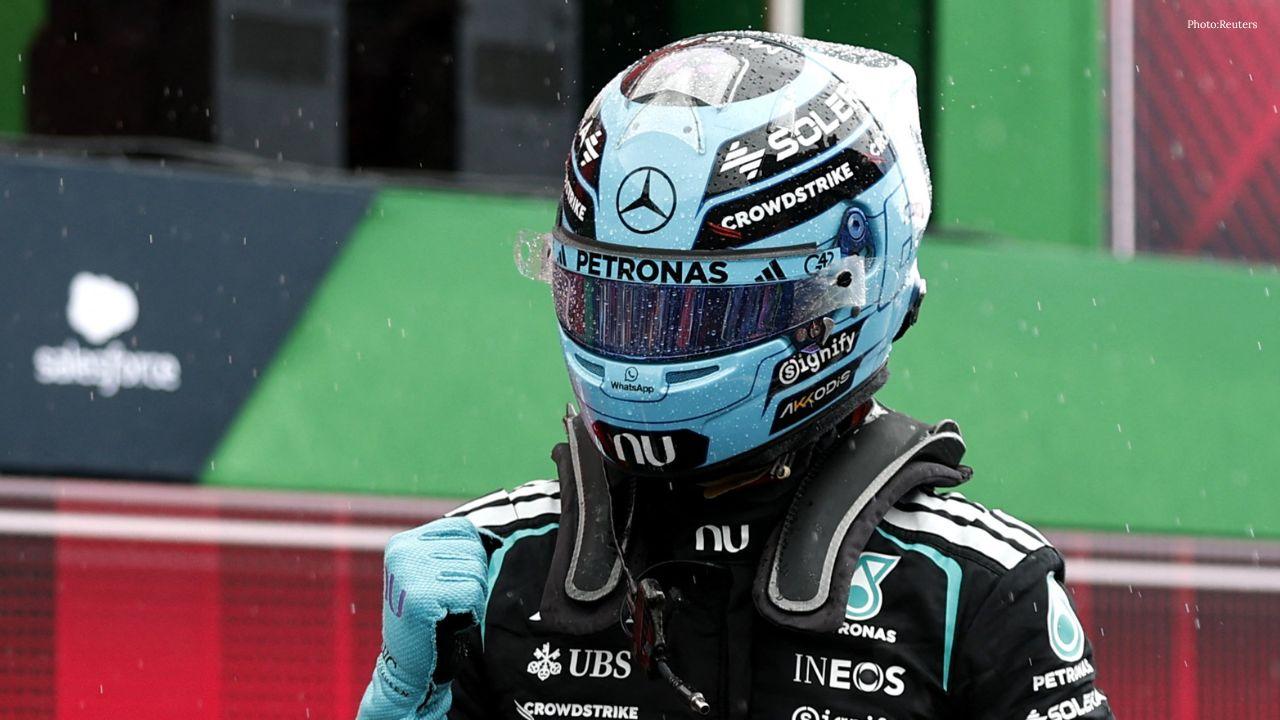
George Russell Wins Dutch GP Sprint, Boosts Mercedes Morale
George Russell wins the Dutch GP Sprint from pole as Mercedes teammate Kimi Antonelli extends his F1
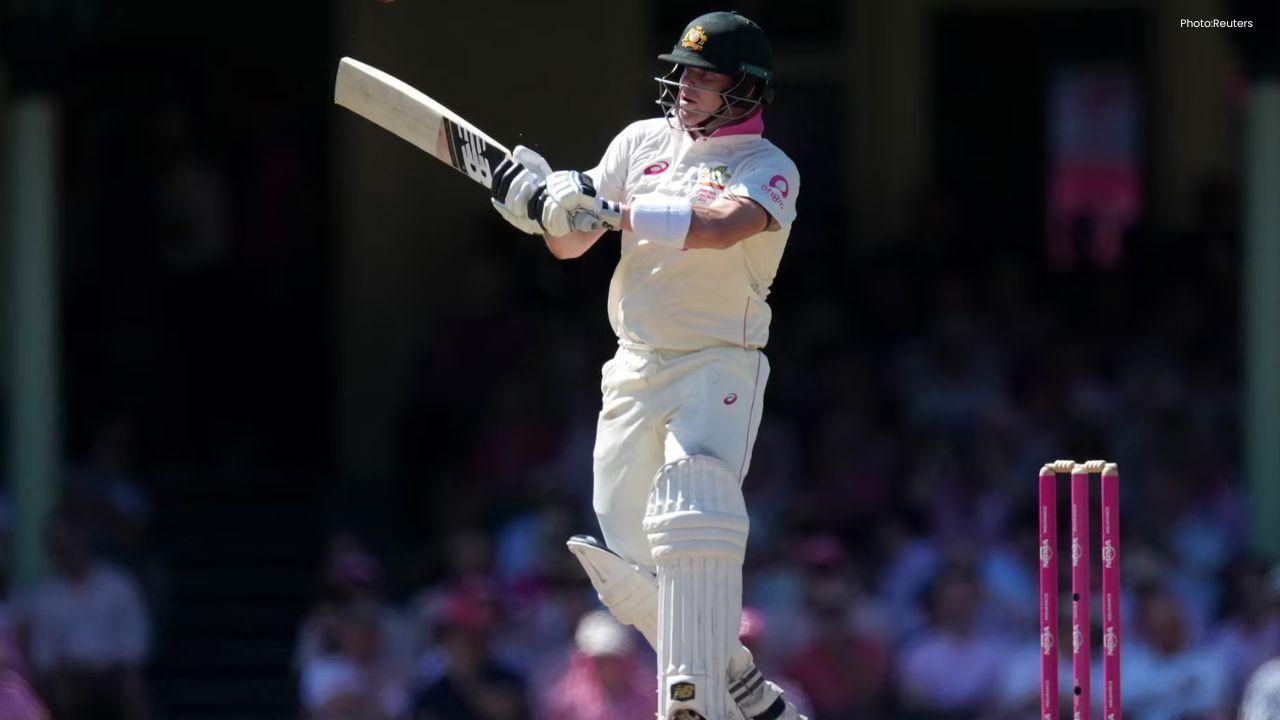
Australia 50/3 After Bangladesh Bowled Out for 64 in Second Test
Australia reached 50/3 after Bangladesh were bowled out for 64 in the second Test, with Mitchell Sta
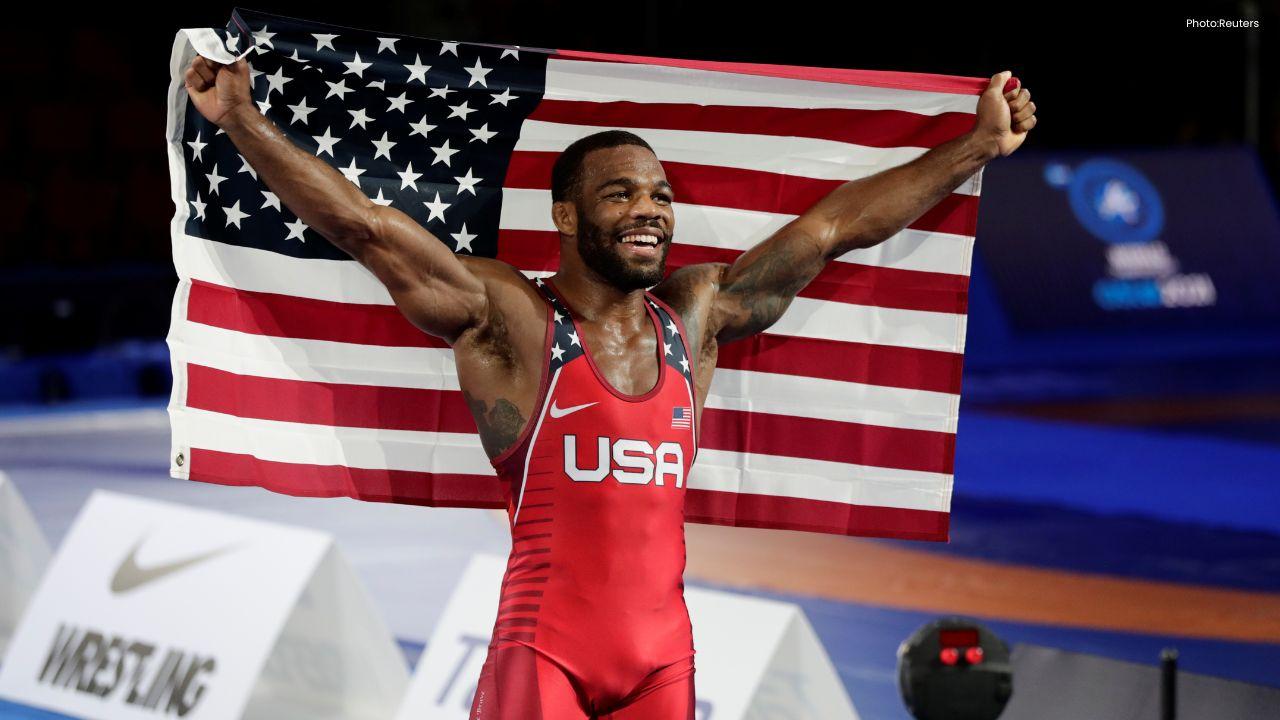
Jordan Burroughs Returns to Wrestling with 2028 Olympic Dream
Jordan Burroughs returns to wrestling with Real American Freestyle as the Olympic champion eyes a po