
You have not yet added any article to your bookmarks!
Join 10k+ people to get notified about new posts, news and tips.
Do not worry we don't spam!
Post by : Samjeet Ariff
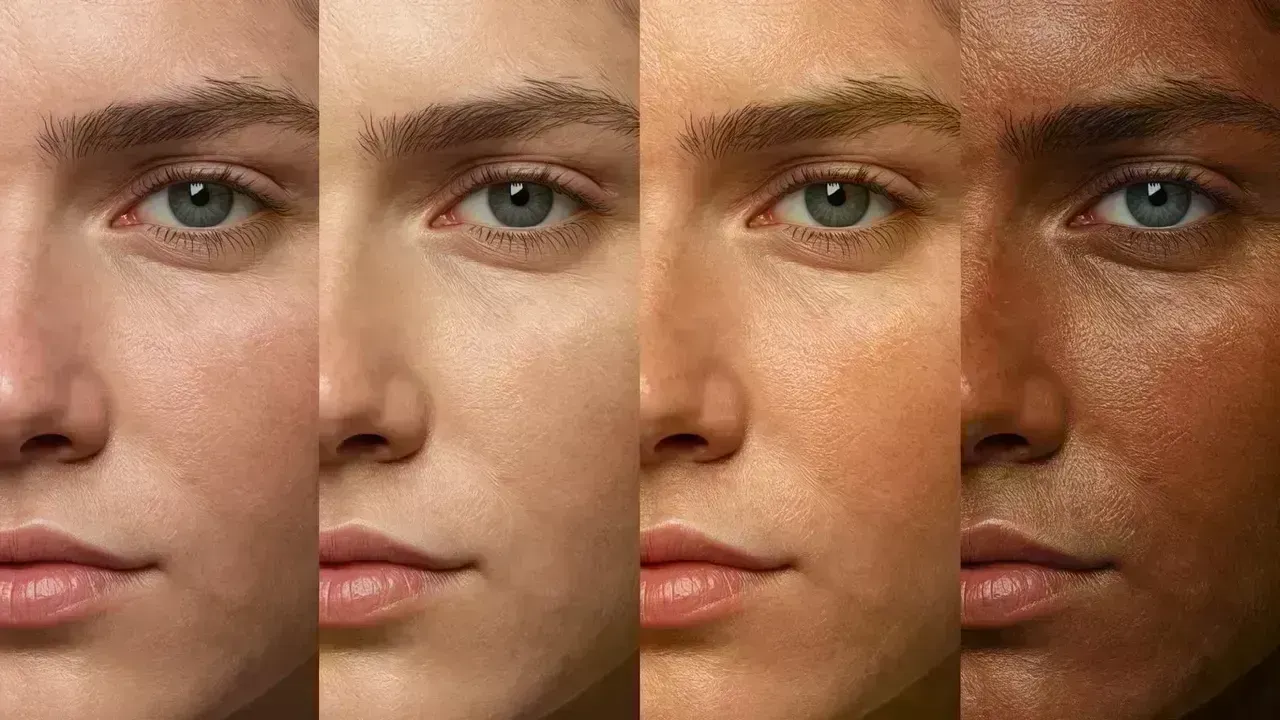
The texture of your skin is subject to change as the seasons progress. Many individuals experience skin becoming dry and rough in the winter, oily in the summer, dull during the monsoon, or reactive with seasonal transitions. Often, they attribute these changes to their skincare products without recognizing the root cause. In reality, seasonal fluctuations significantly affect skin structure, moisture content, oil production, and overall barrier integrity.
By comprehending how each season alters skin texture, you can mitigate long-lasting effects, manage breakouts, and keep your skin looking healthy and smooth all year round. This guide presents the scientific principles behind seasonal skin changes in a practical and accessible manner.
Skin texture refers to the overall quality of your skin—its smoothness, evenness, hydration levels, and refinement.
Healthy skin texture typically appears:
Smooth when touched
Uniform in color
Properly moisturized
Free from rough patches or enlarged pores
Changes in texture occur when the skin barrier is disrupted, moisture levels fluctuate, or cellular turnover becomes inconsistent.
Your skin is a dynamic organ that responds continuously to environmental changes.
Key seasonal influencers on texture include:
Shifts in temperature
Variations in humidity
Intensity of sun exposure
Effects of wind and pollution
Indoor heating or cooling systems
Each season presents unique pressures on the skin barrier, resulting in observable texture changes.
Winter poses significant challenges to skin texture.
Cold air has low moisture levels. Coupled with indoor heating, this leads to:
Rapid moisture depletion
Decreased oil production
Weakened skin barrier
Higher water evaporation rates
Consequently, skin can feel tight, uneven, and flaky.
Increased accumulation of dead skin cells
Slowing skin renewal processes
Declining natural lipid levels
Formation of micro-cracks
These shifts can lead to a sandpaper-like feel, particularly noticeable on cheeks and limbs.
Contrarily, summer alters skin texture in different ways.
High temperatures and humidity lead to:
Increased perspiration
Elevated oil secretion
Dilated pores
Enhanced bacterial growth
As a result, skin often experiences a bumpy texture, clogged pores, and unevenness.
Excess oil combines with dead skin
Pores seem larger
Increase in acne and blackheads
Sunscreen efficacy contributes to congestion
While it may feel hydrated, true moisture balance might be lacking.
The monsoon creates its own set of unique challenges.
High humidity paired with pollution results in:
Excess perspiration without sufficient evaporation
Increased risk of fungal and bacterial development
Sticky skin feeling
Greater sensitivity
This often leads to a congested, uneven, and dull skin texture throughout the season.
Pores remain clogged
Difficulty in moisture and oil regulation
Heightened risk of infections and breakouts
Makeup and skincare products trap moisture
This season can instigate sudden texture shifts, even in previously balanced skins.
The shifts between seasons tend to be the most taxing for skin.
Skin adapts gradually while environmental changes are rapid.
Oil glands may become disoriented
Barrier function may diminish
Increased sensitivity
Texture can become erratic
This leads to unexpected breakouts, rough patches, and dullness.
The skin barrier is crucial for maintaining texture stability.
Holds onto moisture
Shields against irritants
Ensures a smooth surface
Seasonal stressors can weaken this barrier, causing moisture loss and textural changes.
Tightness
Redness
Flaking
Uneven surface texture
Sensitivity to various products
When the barrier falters, texture degradation can happen rapidly.
Dehydrated skin is distinct from dry skin.
Fine lines become more pronounced
Skin may feel rough even when oily
Makeup may apply unevenly
Glow may diminish
Seasonal dehydration typically occurs in both winter and summer due to moisture imbalance.
Sun exposure varies with the seasons but consistently affects texture.
Thickens the upper skin layer
Hinders cellular turnover
Causes uneven pigmentation
Results in long-term texture roughness
Even on cloudy or wintry days, neglecting protection can harm skin texture.
Pollution levels fluctuate with the seasons and locations.
Free radicals can damage skin cells
Dirt can block pores
Oxidative stress may slow repair processes
This leads to dull, uneven, and fatigued-looking skin texture.
Using the same products throughout the year is often a mistake.
Heavy creams can block pores in summer
Lightweight gels might not suffice in winter
Strong exfoliants may exacerbate transition issues
Skin texture improves when routines change with the seasons.
Opt for gentle cleansers during the winter and stronger options in summer.
Boost hydration during the winter and keep a balanced approach in summer.
Reduce exfoliation in winter and transition periods, and exfoliate moderately in summer to avoid buildup.
Incorporate barrier-enhancing ingredients to help your skin adjust better to environmental pressures.
Daily sun protection is vital for maintaining skin texture integrity throughout the year.
Everyday habits also play a role in skin behavior.
Lower water intake during winter months
Disrupted sleep in warmer months
Increased junk food consumption during monsoon
Stress related to seasonal illnesses
Healthy practices help ensure a smoother texture, regardless of the weather.
Consult a skincare professional if:
Texture deteriorates suddenly
Persistent roughness or peeling is observed
There’s a notable increase in acne or irritation with the seasons
At-home practices yield no improvement
Timely advice can prevent lasting damage.
Ignoring seasonal adjustments can lead to:
Chronic skin dryness
Premature aging signs
Enlarged pore appearance
Continuous dullness
Decreased skin resilience
Texture issues become increasingly difficult to remedy over time.
While seasonal changes are inevitable, texture damage doesn’t have to be. Your skin responds optimally when care, hydration, and protection are adapted to the surrounding environment. Gaining insight into how weather influences your skin empowers you to nurture it actively instead of reacting only after harm occurs.
Healthy texture hinges not on perfection but on balance, consistency, and adaptability.
This article serves informational and educational purposes and is not a substitute for professional dermatological counsel. Individual skin responses to seasonal changes can vary based on skin type, environmental conditions, and health. For persistent texture concerns, seek the guidance of a qualified dermatology professional for tailored advice.








Will O'Rourke Ruled Out of New Zealand's India Series
New Zealand fast bowler Will O'Rourke will miss the India series with hamstring and calf injuries as

AI Companies Expected to Drive Most US Earnings Growth in Q3
AI companies are expected to drive US third-quarter earnings growth as investors assess tech profits

Money Market Funds See Record Inflows as Global Bond Selloff Intensifies
Global money market funds attract $153.81 billion as bond yields rise, inflation fears persist and i

Meta Bans TikTok Ads on Facebook and Instagram in Seven Countries
Meta has banned TikTok ads in seven countries, escalating competition over social media users, adver

ASML and Zeiss Target Next-Generation Chip Technology in 10 Years
ASML and Carl Zeiss are developing Hyper NA technology to print smaller chip circuits, with the next

Rabada Misses First Australia Test as South Africa Pick Two Spinners
Kagiso Rabada misses the opener as South Africa vs Australia begins, with Anrich Nortje returning an

