
You have not yet added any article to your bookmarks!
Join 10k+ people to get notified about new posts, news and tips.
Do not worry we don't spam!
Post by : Samjeet Ariff
The 4-7-8 breathing technique is among the simplest and most efficient ways to calm your mind and body, significantly reducing stress hormones and promoting instant relaxation. Crafted by Dr. Andrew Weil, this breathing method harnesses controlled rhythm to engage the parasympathetic nervous system, the part that helps restore equilibrium, reduces cortisol levels, and slows down your heart rate. It's widely used during moments of anxiety, before bedtime, or whenever stress arises. This guide will walk you through its workings, proper execution, and the profound impact it has on your body.
Stress activates the sympathetic nervous system, leading to a surge of cortisol and adrenaline. The 4-7-8 method effectively disrupts this cycle.
Decreases heart rate by enhancing oxygen circulation.
Prompts the brain to transition from stress to relaxation.
Balances the nervous system by regulating oxygen and carbon dioxide levels.
Lowers cortisol output by calming the adrenal system.
This results in a quick and noticeable calming effect.
For optimal results, practice this technique with full attention.
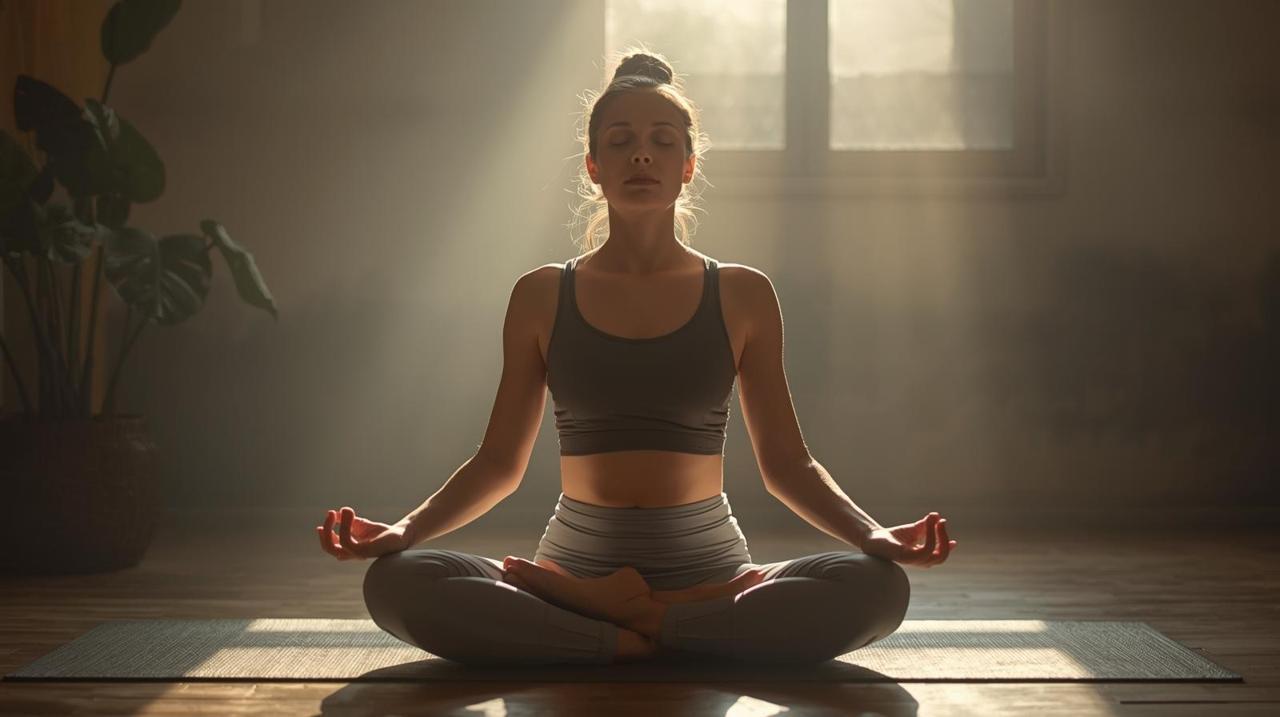
Sit upright with a straight back.
Position your tongue against the ridge behind your upper teeth.
Exhale completely through your mouth, producing a gentle "whoosh."
Inhale softly through your nose for 4 seconds.
Hold your breath for 7 seconds.
Exhale through your mouth for 8 seconds.
This completes your first cycle. Beginners should start with four cycles and steadily increase as they grow more comfortable.
Controlled breathing slows down the biochemical responses tied to stress.
Normalizes blood oxygen levels, consequently diminishing stress signals.
Activates the vagus nerve, which has a direct effect in lowering cortisol.
Lowers blood pressure and muscle tension swiftly.
Stabilizes emotional responses by enhancing brain oxygen levels.
By prioritizing prolonged exhalation, this technique incites a relaxation response quicker than typical deep breathing exercises.
This technique integrates seamlessly into moments of unexpected stress throughout your day.
Before sleep for improved rest
During episodes of anxiety or emotional upheaval
Prior to work presentations or stressful dialogues
While traveling, in crowded places, or under pressure
After caffeine when your mind is overstimulated
Practicing this twice daily fosters enduring stress resilience.
Many individuals report feeling calmer after just one minute of practice. With regular application, benefits become increasingly pronounced.
Smoother breathing, reduced heart rate, less tension.
Lower baseline stress, enhanced sleep quality, better emotional control, improved focus.
Over time, your body learns to transition more efficiently from stress to a state of calm.
Rushing, breath-holding too long, or exhaling forcefully may lead to dizziness.
Don't hurry through the counts.
Keep your breaths smooth and controlled.
Avoid practicing right after heavy meals.
If feeling light-headed, pause and resume gently.
This technique should be calming, not overwhelming.
The 4-7-8 pattern emulates the breathing rhythm occurring during deep sleep.
Reduces nervous system activity
Diminishes intrusive thoughts
Relaxes the facial and jaw muscles
Promotes melatonin release
Once familiar with the method, many people fall asleep during practice.
Most individuals can safely utilize this technique, especially beneficial for those grappling with high stress, anxiety, or sleep disturbances due to fast-paced lifestyles.
Students facing academic pressures
Professionals burdened by deadlines
Parents juggling daily obligations
Individuals suffering from insomnia or shallow breathing
Those experiencing emotional fatigue
It’s a non-pharmacological approach that can be utilized anytime and anywhere.
This technique effectively manages stress but is not a replacement for treatment of chronic anxiety, trauma, or medical concerns.
It serves best as a supportive daily practice that stabilizes your nervous system and complements any lifestyle adjustments.
The 4-7-8 breathing technique is an easy yet highly effective method to diminish cortisol and calm the mind almost instantly. With just one minute of intentional breathing, you can trigger profound relaxation responses in your body. Regular practice enhances stress management, sleep quality, focus, and long-lasting resilience. For anyone seeking natural stress relief, this technique is among the simplest and most impactful habits to incorporate.
This article presents general wellness information and should not be seen as a substitute for medical advice, diagnosis, or treatment. While the 4-7-8 breathing technique is safe for the majority, individuals with respiratory issues, cardiovascular concerns, or chronic anxiety should consult a healthcare provider before initiating new breathing practices. The author assumes no liability for outcomes from this technique’s use.
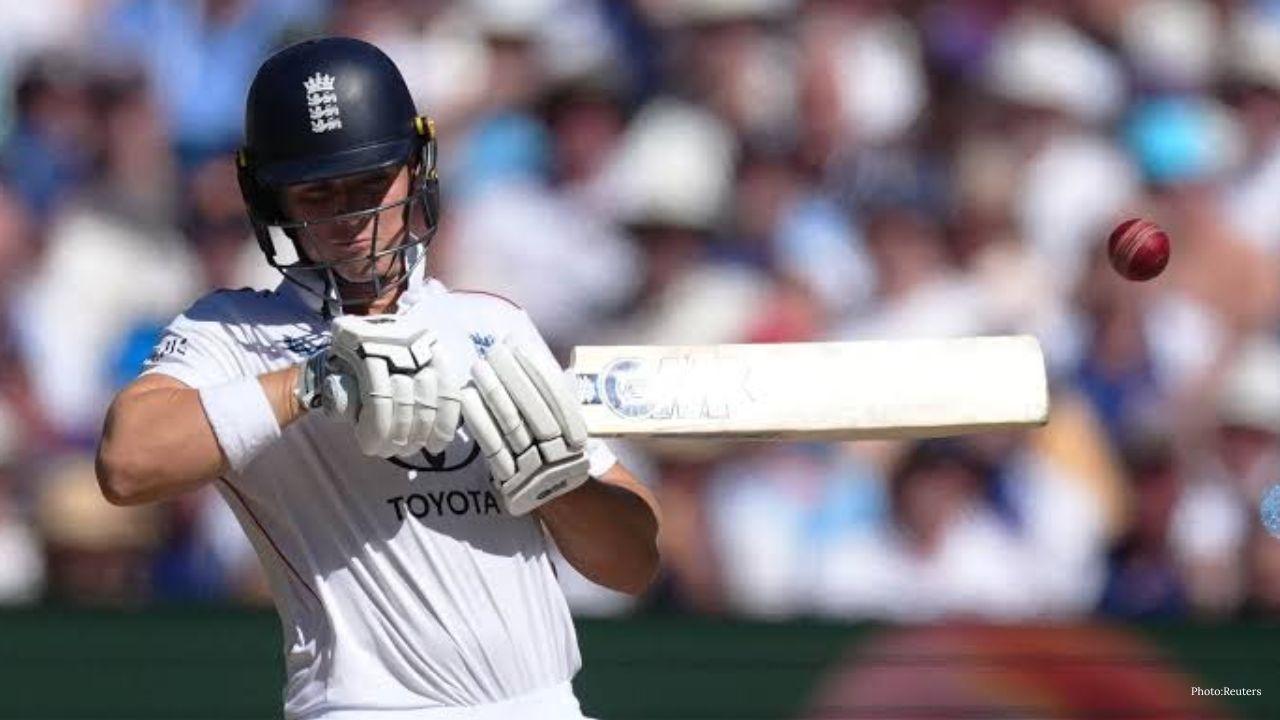








Jacob Bethell Returns as England Name Squads for Australia Tour
England name ODI and T20 squads for the Australia tour, with Jacob Bethell returning from injury and

Beauden Barrett Opens Up About Mental Struggles During All Blacks Exile
Beauden Barrett discusses his confidence struggles after missing six tests, his return against Austr

IMF Says AI Investment Supports Global Growth Despite Energy Shock
IMF says AI investment is supporting global growth near 3%, with Asian economies benefiting from ris

Will O'Rourke Ruled Out of New Zealand's India Series
New Zealand fast bowler Will O'Rourke will miss the India series with hamstring and calf injuries as

AI Companies Expected to Drive Most US Earnings Growth in Q3
AI companies are expected to drive US third-quarter earnings growth as investors assess tech profits

Money Market Funds See Record Inflows as Global Bond Selloff Intensifies
Global money market funds attract $153.81 billion as bond yields rise, inflation fears persist and i

