
You have not yet added any article to your bookmarks!
Join 10k+ people to get notified about new posts, news and tips.
Do not worry we don't spam!
Post by : Samjeet Ariff
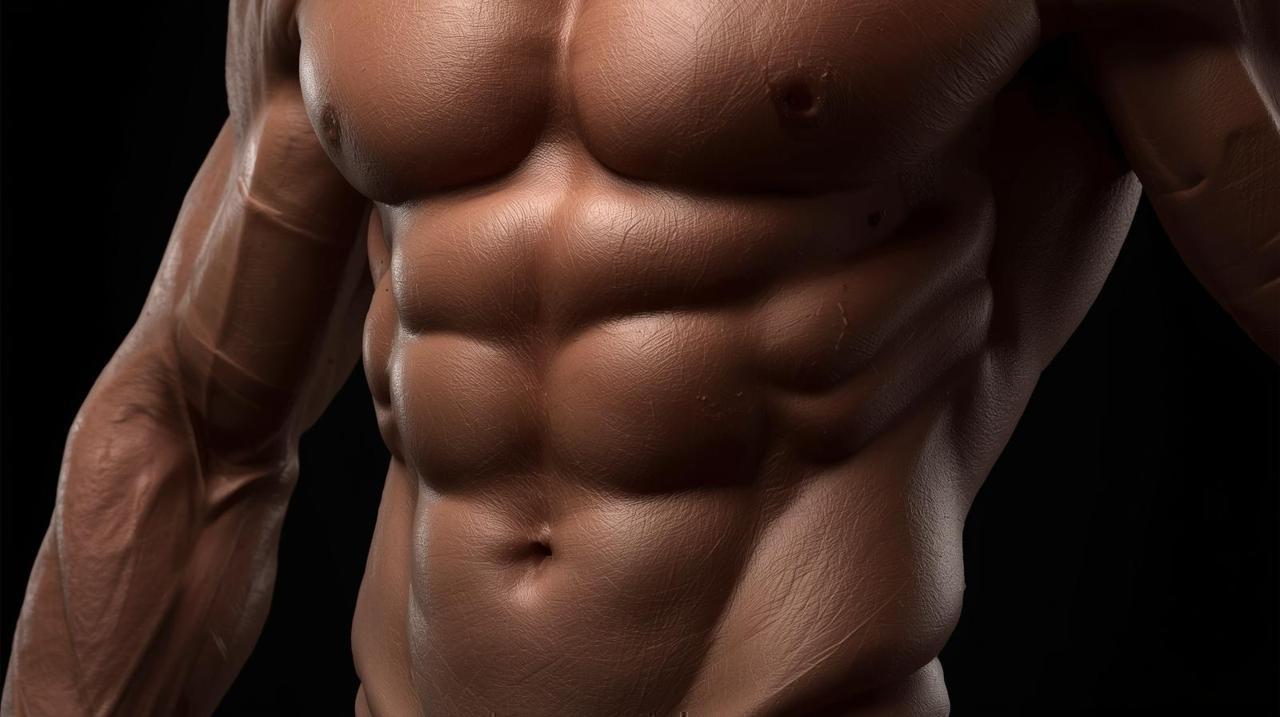
Countless individuals engage in regular workouts yet find themselves questioning why their abs remain concealed. Achieving visible abs goes beyond mere exercise—it necessitates the right balance of body fat, nutrition, hormones, lifestyle choices, and training methodologies. This article delves into the reasons your abs might not be showing and offers solutions to finally make them visible.
For many, the primary issue is body fat percentage, rather than insufficient workouts. You may possess strong abdominal muscles, but a layer of fat can obstruct their visibility. Typically, men reveal abs at around 10–13% body fat, while women do so at approximately 17–20% (though this can vary by individual).
Consistent exercise is great, but if your caloric intake supersedes your expenditure, fat loss will stall. Even healthful foods consumed in large quantities can obscure your abs.
Simply performing crunches is not enough for abs to show. The core becomes visible only when total body fat decreases. Overemphasizing ab workouts while neglecting other muscle areas can slow your progress.
High sugar, refined carbohydrate intake, fried foods, and sodium-laden meals result in retained fat and bloating, diminishing muscle definition.
Stress boosts cortisol, a hormone that contributes to fat accumulation in the abdomen and water retention.
Lack of quality sleep disrupts hunger-regulating hormones, heightens cravings, drains your metabolism, and hampers belly fat loss.
While low-intensity workouts are beneficial for health, they generally don't burn enough calories to showcase abs. Your regimen needs progressive overload, resistance training, or high-intensity intervals to be effective.
No individual exercise can selectively eliminate belly fat. Fat loss occurs throughout your body, not just in targeted areas.
Food intolerances, high sodium intake, dehydration, and inconsistent eating habits can lead to bloating, masking definition even at lower fat levels.
Strive for a calorie deficit by incorporating lean protein, fiber-rich vegetables, whole grains, and healthy fats, while limiting processed foods.
Strength-building exercises enhance daily calorie burn, promoting fat loss more effectively than ab-centric workouts.
Engage in brief HIIT sessions to expedite fat burning by elevating your metabolic rate for hours post-workout.
A healthy gut can minimize bloating. Include fermented foods, fiber, and adequate hydration while steering clear of trigger items.
Practices such as breathing techniques, journaling, and brief mindfulness breaks can lower cortisol levels, reducing fat storage around the midsection.
Quality sleep is vital for muscle recovery, curbing cravings, and boosting metabolism—essential for fat loss.
Rather than performing endless crunches, diversify your routine with:
Planks
Leg raises
Bicycle crunches
Dead bugs
Russian twists
These exercises strengthen and stabilize the core, leading to defined abs as body fat decreases.
Staying hydrated aids digestion, diminishes bloating, and helps in fat metabolism.
While abs are sculpted in the gym, they're revealed via the kitchen.
Track changes using body metrics, photos, and the fit of your clothes—not solely relying on the scale.
Quick-fix diets can reduce muscle mass and slow metabolism, complicating your quest for abs.
Strength training accelerates fat loss and contributes to a toned midsection.
Some individuals may inherently store more fat around their abdomen due to genetic predispositions or hormonal influences. This doesn’t preclude getting abs—it simply indicates your journey may take additional time.
If your abs have yet to reveal themselves, it may not be due to flaws in your method, but rather achieving the right balance of fat loss, rigorous training, disciplined nutrition, and healthy lifestyle choices. With patience and the proper strategy, visible abs are within reach for the majority.
This article offers general fitness and wellness insights and should not substitute for professional medical advice. Individuals with health issues or concerns about abdominal weight, hormones, or exercise safety should seek guidance from a qualified health or fitness expert before making significant adjustments to their routine.









Nvidia Pledges $250 Million for UK AI Safety Research
Nvidia will provide $250 million in computing resources over five years to support AI safety researc

Jacob Bethell Returns as England Name Squads for Australia Tour
England name ODI and T20 squads for the Australia tour, with Jacob Bethell returning from injury and
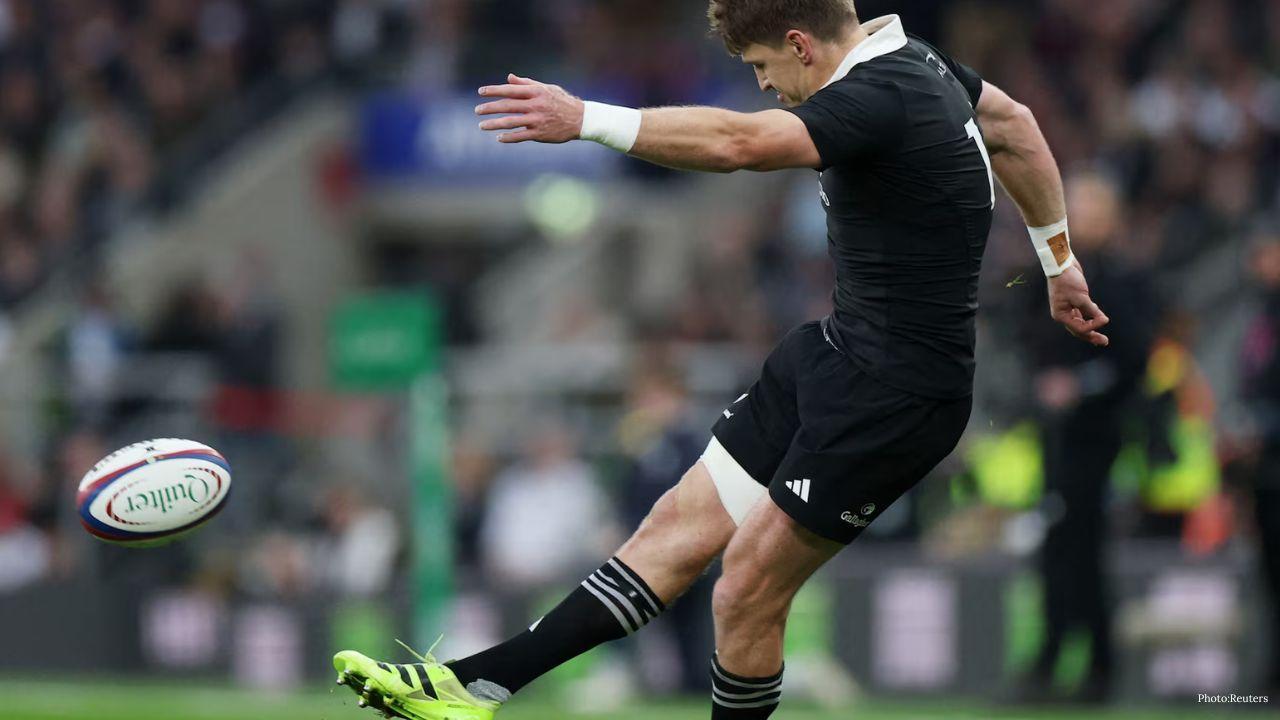
Beauden Barrett Opens Up About Mental Struggles During All Blacks Exile
Beauden Barrett discusses his confidence struggles after missing six tests, his return against Austr

IMF Says AI Investment Supports Global Growth Despite Energy Shock
IMF says AI investment is supporting global growth near 3%, with Asian economies benefiting from ris

Will O'Rourke Ruled Out of New Zealand's India Series
New Zealand fast bowler Will O'Rourke will miss the India series with hamstring and calf injuries as

AI Companies Expected to Drive Most US Earnings Growth in Q3
AI companies are expected to drive US third-quarter earnings growth as investors assess tech profits

