You have not yet added any article to your bookmarks!
Join 10k+ people to get notified about new posts, news and tips.
Do not worry we don't spam!
Post by : Samjeet Ariff
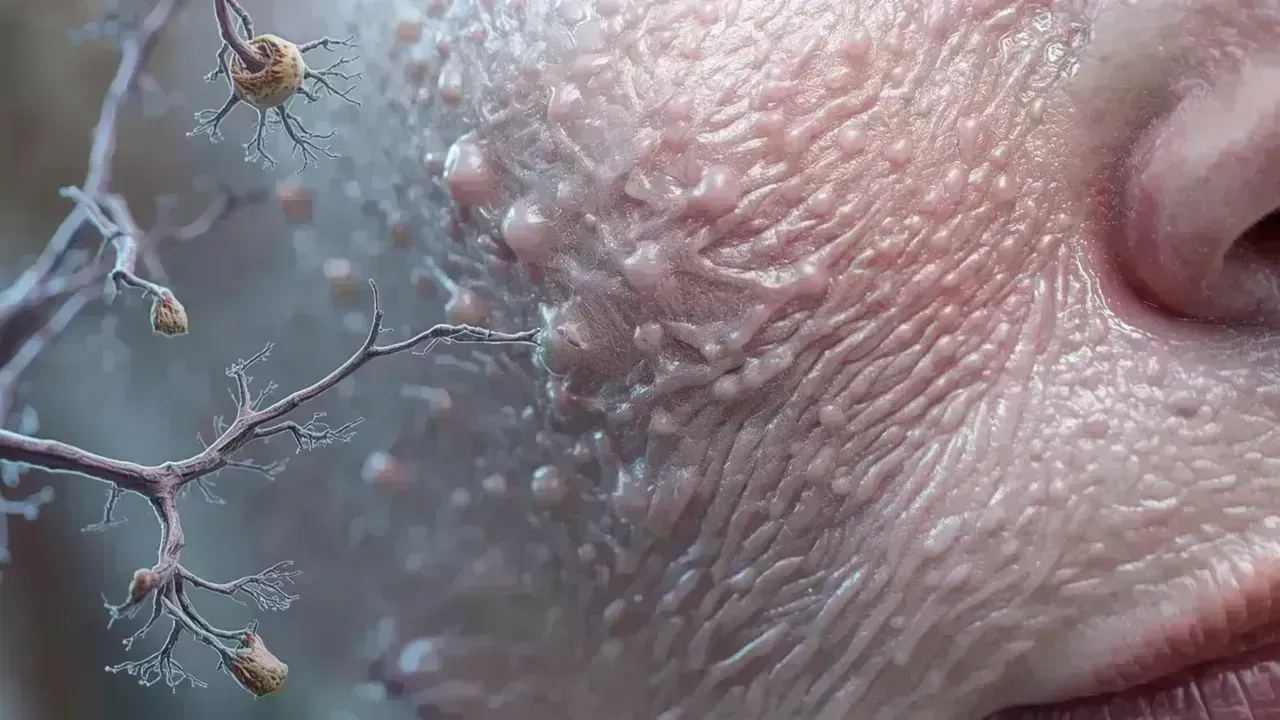
Many assume that skin aging starts with the appearance of wrinkles, fine lines, and sagging. However, the reality is that aging initiates years ahead at both cellular and structural levels, long before visible signs become apparent. These initial skin shifts are often subtle, slow, and misinterpreted as temporary conditions such as stress, dehydration, or seasonal dullness.
By understanding these early indicators of skin aging, you can take proactive measures to safeguard your skin rather than attempting to reverse damage later. This guide highlights the concealed changes in skin that surface well before visible aging, their causes, and how various lifestyle habits and environmental factors can accelerate aging.
Skin aging transcends mere appearance; it reflects declining skin functions. Even when skin appears smooth, internal mechanisms may be slowing down.
Key internal changes include:
Slower cell turnover
Reduced collagen and elastin production
Degrading skin barrier
Heightened oxidative stress
Decreased moisture retention
These transformations typically commence in the mid-to-late 20s, long before visible indications of aging arise.
Healthy skin continuously renews itself by shedding dead cells and generating new ones.
Cell renewal slows gradually
Dead skin builds up on the surface
Skin appears dull and uneven
Initially, this doesn’t resemble aging—it looks like fatigued or dehydrated skin.
Slower cell renewal leads to:
Less glow
Uneven skin texture
Prolonged healing times
Heightened pigmentation risk
This lays the groundwork for fine lines in the future.
A critical but often overlooked early sign of skin aging is skin barrier damage.
Retains moisture
Defends against pollution and bacteria
Prevents irritation and inflammation
Skin feels tight after washing
Products cause stinging or burning sensations
Increased sensitivity levels
Frequent breakouts, even with dryness
Barrier damage tends to manifest years before wrinkles.
Moisturizing isn't solely about application; it's about the skin's capacity to retain water.
Skin feels dry despite moisturizing
Makeup appears poorly
Fine textures become visible when smiling
Skin temporarily loses plumpness
This arises from declining natural moisturizing factors and fat production.
Elasticity enables skin to rebound after movement.
Skin takes longer to mend after stretching
Mild laxity becomes evident around eyes and mouth
Facial features soften subtly
This early stage frequently goes unnoticed due to its gradual development.
Contemporary lifestyles expose skin to consistent micro-inflammation.
Pollution
UV exposure
Stress hormones
Poor sleep
Processed diets
This inflammation gradually deteriorates collagen, resulting in premature aging in the long run.
Oxidative stress arises when free radicals exceed the skin's antioxidant defenses.
UV radiation
Exposure to blue light
Smoking or secondhand smoke
Air pollution
High stress levels
Oxidative stress undermines skin health long before evident damage emerges.
Pigmentation doesn’t start with dark spots.
Uneven skin tone
Slight shadows around the mouth or eyes
Loss of brightness
Lingering mild redness
These transitions hint at disruptions in melanin regulation, often tied to sun exposure and inflammation.
Healthy skin contains beneficial bacteria that provide protection.
Heightened sensitivity
Frequent minor breakouts
Challenges in product tolerance
Slower healing
A disrupted microbiome lessens skin resilience and hastens aging.
Collagen loss starts earlier than many realize.
Begins in the mid-20s
Declines by approximately 1% annually
Speeds up with UV exposure and stress
This initial collagen reduction doesn’t immediately lead to wrinkles but diminishes structural support.
The eye region typically showcases aging first due to its delicate skin.
Slight hollowness
Mild creasing while smiling
Dark circles not attributed to lack of sleep
Fine dryness lines
These variations signify reduced hydration and collagen support.
As skin ages, it becomes less tolerant.
Unexpected reactions to products
Redness from minor stimuli
Heightened itchiness
This occurs as nerve endings become more exposed due to barrier depletion.
Skin healing occurs during deep sleep.
Decreased overnight recovery
Elevated cortisol levels
Dull complexion
Weakened barrier restoration
Chronic sleep deprivation accelerates invisible aging more than genetic factors.
Extended screen time impacts skin health.
Causes free radicals
Induces pigmentation
Disturbs circadian rhythms
Reduces repair hormones
This causes early dullness and uneven skin tone.
Skin reflects the body's nutritional status.
Vitamin C deficiency weakens collagen support
Vitamin D influences skin immunity
Zinc plays a role in healing
Omega-3 fats enhance barrier strength
Deficits might not show immediate health effects but can weaken skin resilience over time.
Prolonged stress elevates cortisol levels.
Degrades collagen
Raises inflammation levels
Slows down healing
Amplifies sensitivity
Stress-related aging may manifest before chronological aging.
Even in the absence of wrinkles, these habits can lead to unseen damage:
Neglecting sunscreen
Excessive cleansing
Smoking or vaping
Joins crash dieting
Overconsumption of caffeine without hydration
Damage builds up silently.
Employ gentle cleansers
Avoid excessive exfoliation
Focus on ingredients that repair barrier function
Sunscreen serves as anti-aging prevention, not merely a cosmetic measure
Maintain balanced nutrition
Ensure adequate protein intake
Stay well-hydrated
Establish a consistent sleep schedule
Incorporate stress management practices
Gently cleanse off pollution
Limit unnecessary screen time
Starting early with prevention yields the best results.
Most anti-aging solutions concentrate on rectifying visible damage. Tackling pre-aging transformations:
Maintains natural skin functionality
Extends the time before visible aging occurs
Reduces dependence on intensive treatments
Protects long-term skin well-being
Skin ages quietly long before it shows signs of aging.
Aging is a gradual, layered process that begins beneath the surface. By identifying early skin changes, you can support your skin while it remains healthy, adaptable, and resilient. Prevention isn’t based on a fear of aging—it focuses on preserving skin health in the long run.
Healthy skin ages in a more graceful and slower manner.
This article is for informational and educational purposes only. It should not substitute for professional dermatological or medical advice. Skin changes and aging patterns are individualized based on genetics, health conditions, environment, and lifestyle choices. For ongoing skin issues or personalized guidance, consult a qualified dermatologist or healthcare expert.










Will O'Rourke Ruled Out of New Zealand's India Series
New Zealand fast bowler Will O'Rourke will miss the India series with hamstring and calf injuries as

AI Companies Expected to Drive Most US Earnings Growth in Q3
AI companies are expected to drive US third-quarter earnings growth as investors assess tech profits

Money Market Funds See Record Inflows as Global Bond Selloff Intensifies
Global money market funds attract $153.81 billion as bond yields rise, inflation fears persist and i

Meta Bans TikTok Ads on Facebook and Instagram in Seven Countries
Meta has banned TikTok ads in seven countries, escalating competition over social media users, adver
ASML and Zeiss Target Next-Generation Chip Technology in 10 Years
ASML and Carl Zeiss are developing Hyper NA technology to print smaller chip circuits, with the next

Rabada Misses First Australia Test as South Africa Pick Two Spinners
Kagiso Rabada misses the opener as South Africa vs Australia begins, with Anrich Nortje returning an