You have not yet added any article to your bookmarks!
Join 10k+ people to get notified about new posts, news and tips.
Do not worry we don't spam!
Post by : Saif Rahman
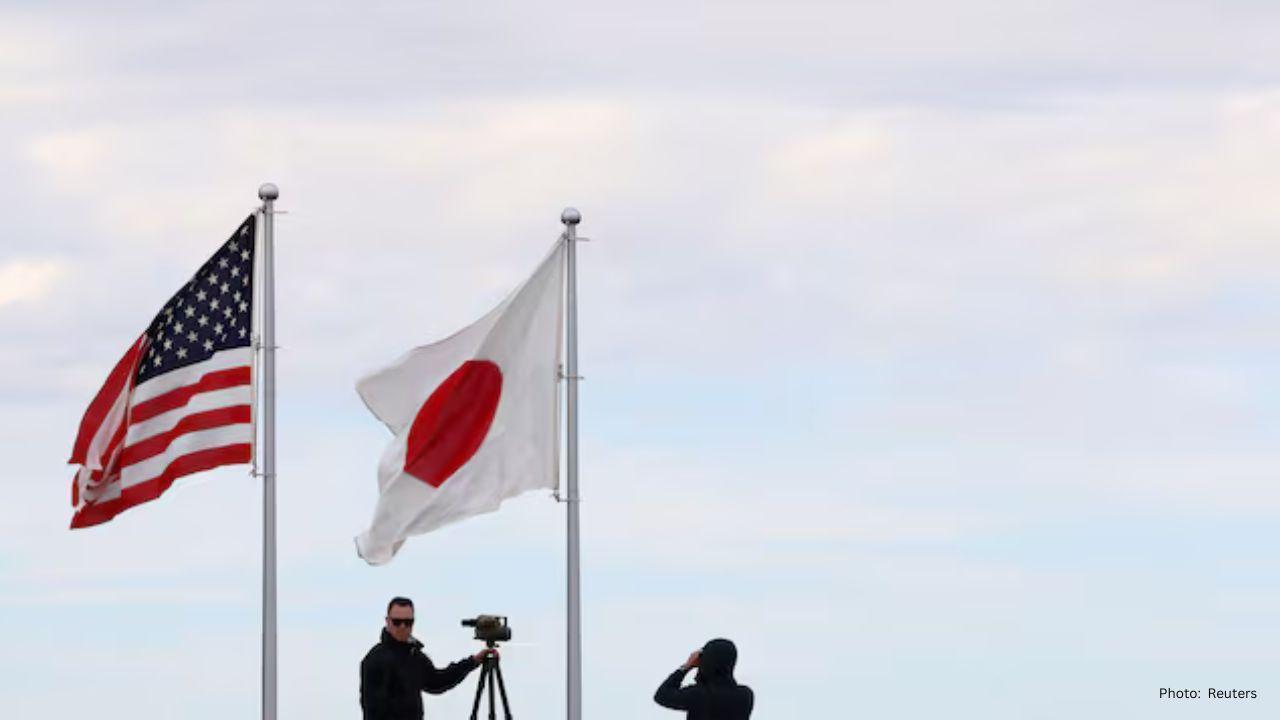
The United States has voiced its support for Japan following China's alleged targeting of Japanese military aircraft with radar during a training operation near Okinawa last week. This marks Washington's first criticism of Beijing concerning the incident, signaling a new escalation of tensions in East Asia.
The radar targeting incident took place close to Japan's Okinawa Islands, a region where both nations frequently deploy military aircraft and naval vessels. Japanese officials indicated that Chinese fighter jets aimed their radars at Japanese planes, a maneuver viewed as precarious since it can suggest an imminent attack, necessitating defensive measures from the targeted aircraft. Tokyo condemned the act as "dangerous".
A spokesperson from the U.S. State Department commented that China's actions "do not support regional peace and stability". The statement highlighted that the U.S.-Japan alliance remains "stronger and more unified than ever". Washington confirmed its unwavering support for Japan, assuring continued communication with Tokyo regarding the matter.
Japan appreciated the U.S. response, with Chief Cabinet Secretary Minoru Kihara stating that the remarks illustrated the robust partnership between the two countries. Amid increasing tensions with China, Japan perceives U.S. support as a vital affirmation of solidarity.
In contrast, Beijing refuted Japan's account, claiming its navy was engaging in announced carrier-based flight training east of the Miyako Strait and accused Japan of breaching protocol by encroaching too closely and interrupting their exercises. China has yet to respond officially to the latest remarks from the U.S.
This incident is considered the most significant military confrontation between Japan and China in recent years and occurs during a time of already strained relations between the two significant Asian powers. Last month, Japanese Prime Minister Sanae Takaichi suggested that a Chinese invasion of Taiwan could be viewed as a direct threat to Japan's survival, hinting at potential military responses. China reacted vehemently, demanding that she retract her statement and warning its citizens about traveling to Japan.
Taiwan’s President Lai Ching-te also weighed in, denouncing China's exercises as "extremely inappropriate". He reiterated the need for all parties to preserve peace, reminding China of the responsibilities major powers hold.
The situation remains delicate, as Taiwan is located just over 100 kilometers from Japanese territory. China claims sovereignty over Taiwan and has not dismissed the possibility of using force to gain control. The maritime routes surrounding Taiwan are crucial for Japan's trade and security.
U.S. Ambassador to Japan George Glass has recently expressed strong support for Tokyo via social media. However, President Donald Trump and several senior U.S. officials have refrained from public commentary, with Trump set to visit Beijing next year for trade discussions and reportedly advising Prime Minister Takaichi against escalating the diplomatic situation.
Simultaneously, Japan scrambled jets to surveil joint patrols by Russian and Chinese aircraft on the same day as the radar incident, which has heightened concerns for Japan's defense strategists.
As the region closely monitors developments, this radar episode underscores the precarious nature of peace surrounding Taiwan and the East China Sea. Currently, U.S. backing provides Japan with diplomatic leverage, yet the fundamental tensions between Tokyo and Beijing show no signs of resolution.




Josh Kerr and Jakob Ingebrigtsen Set for 1,500m Rivalry Rematch
Josh Kerr and Jakob Ingebrigtsen will renew their 1,500m rivalry at the Ultimate Championship in Bud

PSG Coach Luis Enrique Urges Players to Step Outside Comfort Zone
PSG coach Luis Enrique says players must leave their comfort zone and keep improving as the club tar

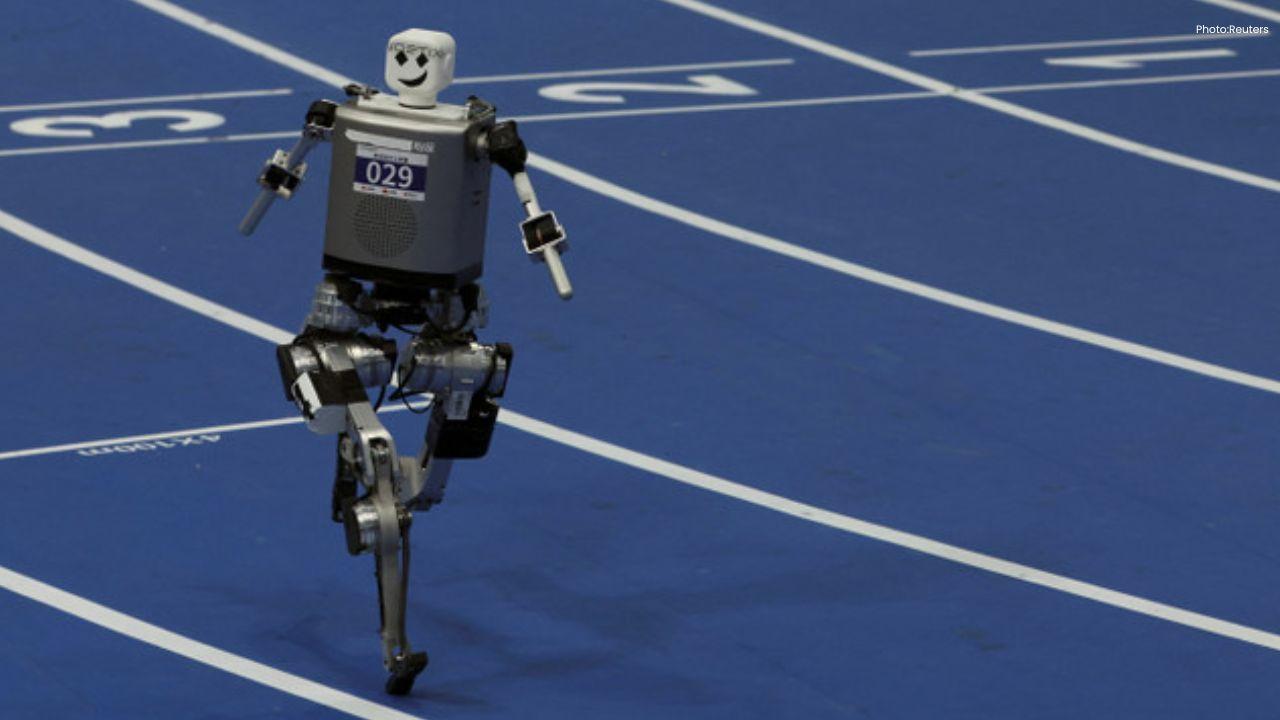
China’s Tiangong Sets New 400m Record at Robot Olympics
China’s Tiangong robot sets a new 400m record at the Robot Olympics, beating a South African robot i
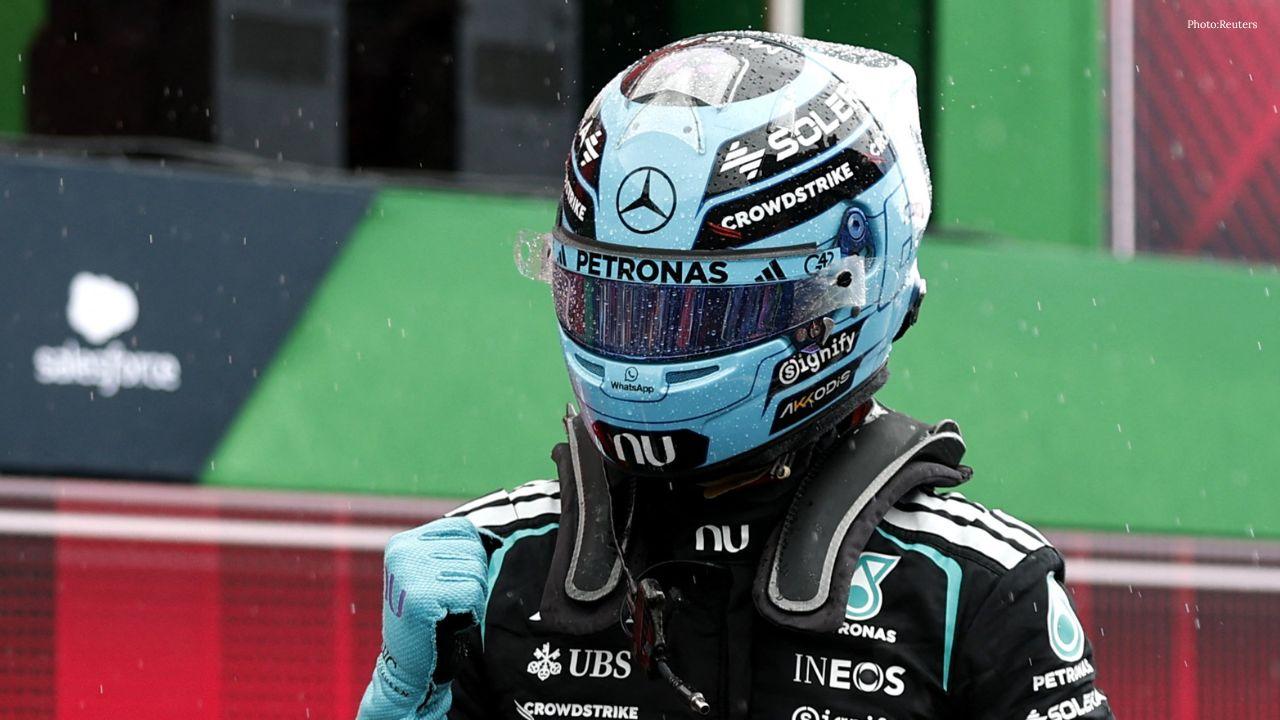
George Russell Wins Dutch GP Sprint, Boosts Mercedes Morale
George Russell wins the Dutch GP Sprint from pole as Mercedes teammate Kimi Antonelli extends his F1
Australia 50/3 After Bangladesh Bowled Out for 64 in Second Test
Australia reached 50/3 after Bangladesh were bowled out for 64 in the second Test, with Mitchell Sta

Jordan Burroughs Returns to Wrestling with 2028 Olympic Dream
Jordan Burroughs returns to wrestling with Real American Freestyle as the Olympic champion eyes a po