You have not yet added any article to your bookmarks!
Join 10k+ people to get notified about new posts, news and tips.
Do not worry we don't spam!
Post by : Saif Rahman
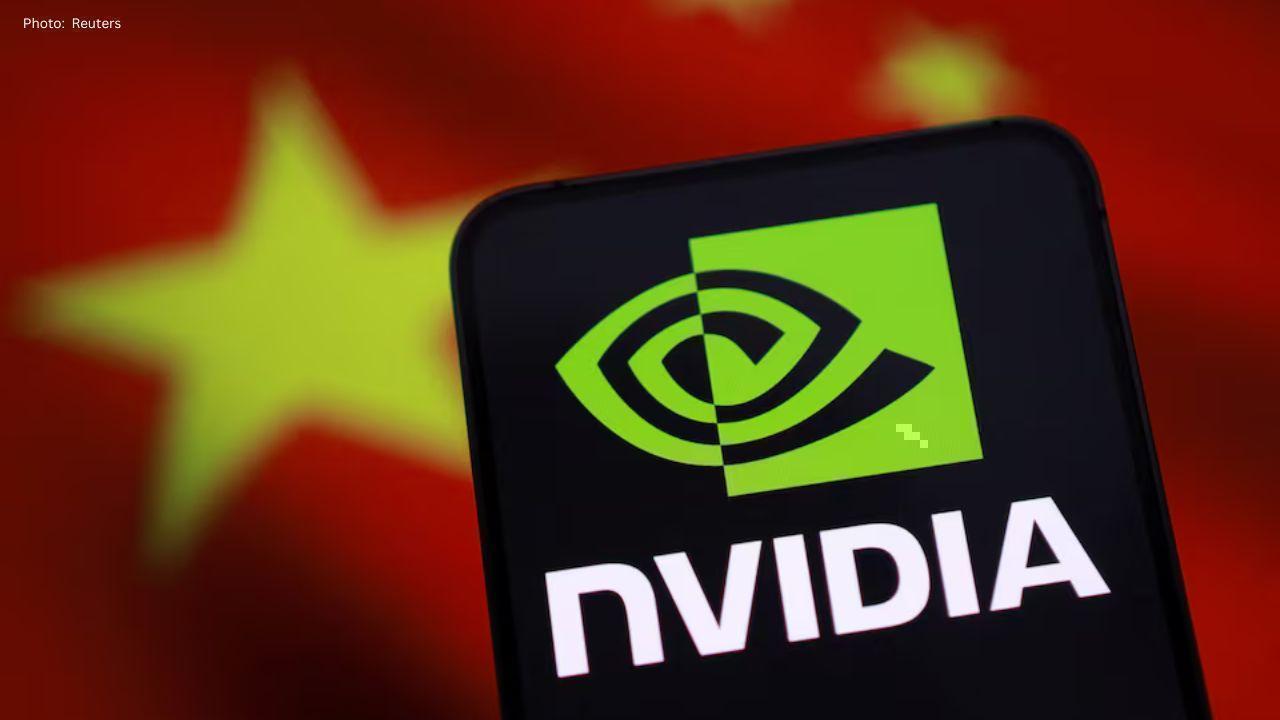
In a significant change to its technology and trade policy, the United States has permitted Nvidia to export its H200 AI chips to China. President Donald Trump disclosed that while these exports will be allowed, they will incur a 25 percent fee payable to the US government.
This announcement triggers a wave of discussions across the US, as some officials advocate for American companies to share advanced technology to maintain a competitive edge, while others express concerns about the potential enhancement of China's military and surveillance capabilities.
Following the announcement, Nvidia's stock saw an uptick in after-hours trading, indicating a positive reception from investors. Trump further noted that similar regulations would extend to other chip manufacturers like AMD and Intel, confirming that he had briefed Chinese President Xi Jinping, who reportedly responded favorably.
The H200 chip ranks as Nvidia’s second most powerful AI processor, surpassing the H20 chip, which was the most advanced one previously allowed for export to China. Nonetheless, the US continues to restrict exports of its top-tier Blackwell chips.
According to the new arrangement, chips will first be dispatched from Taiwan to the US, undergoing a security evaluation before being shipped to China under strict protocols. The US believes that this approach could safeguard national security while allowing American enterprises to generate revenue.
Proponents argue that this compromise is strategically sound—they contend that blocking all chip exports would propel firms like Huawei to stronger positions within their domestic market. Limited exports, they argue, enable US companies to remain competitive and impede the advancement of Chinese counterparts.
Conversely, critics are vocal about their opposition. Various US lawmakers have condemned the decision, calling it a grave error, concerned that China might utilize these chips to bolster its military strength. They warn that this could lead China to replicate the technology, threatening the long-term competitive edge of American firms.
China's responses have been mixed; officials have expressed support for mutually beneficial cooperation, yet they have cautioned domestic companies against becoming overly dependent on US technology. Analysts predict that China will persist in investing in its own advanced chip manufacturing capabilities.
This situation underscores the growing conflict between trade incentives and security considerations. Companies seek open markets for enhanced profits, while governments prioritize safeguarding vital technology that could be crucial in potential conflicts.
Ultimately, the US navigates a delicate balance—seeking profit and maintaining technological superiority while preventing that innovation from being leveraged against its interests.
In conclusion, permitting Nvidia to export H200 chips to China represents both a chance and a challenge. While it may yield short-term gains for American enterprises, it could present strategic obstacles in the long run. Global observers will be keenly watching how this decision influences the future of technology and security worldwide.



Josh Kerr and Jakob Ingebrigtsen Set for 1,500m Rivalry Rematch
Josh Kerr and Jakob Ingebrigtsen will renew their 1,500m rivalry at the Ultimate Championship in Bud

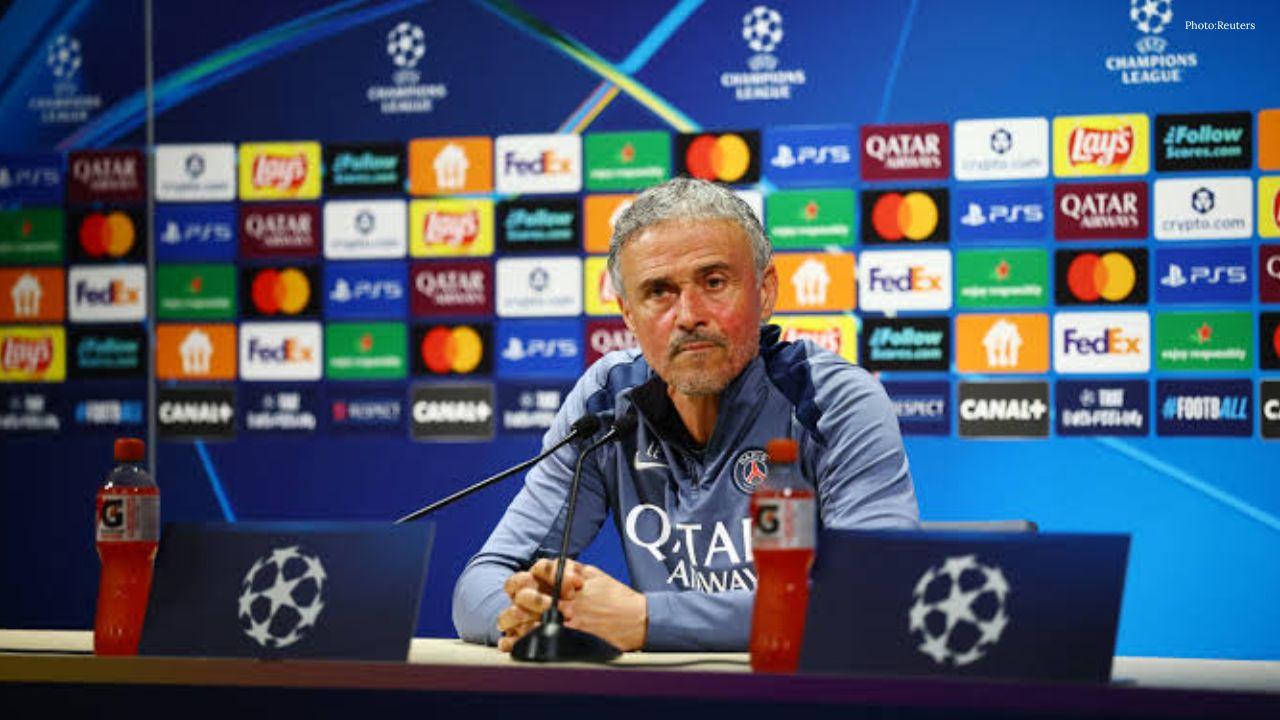
PSG Coach Luis Enrique Urges Players to Step Outside Comfort Zone
PSG coach Luis Enrique says players must leave their comfort zone and keep improving as the club tar

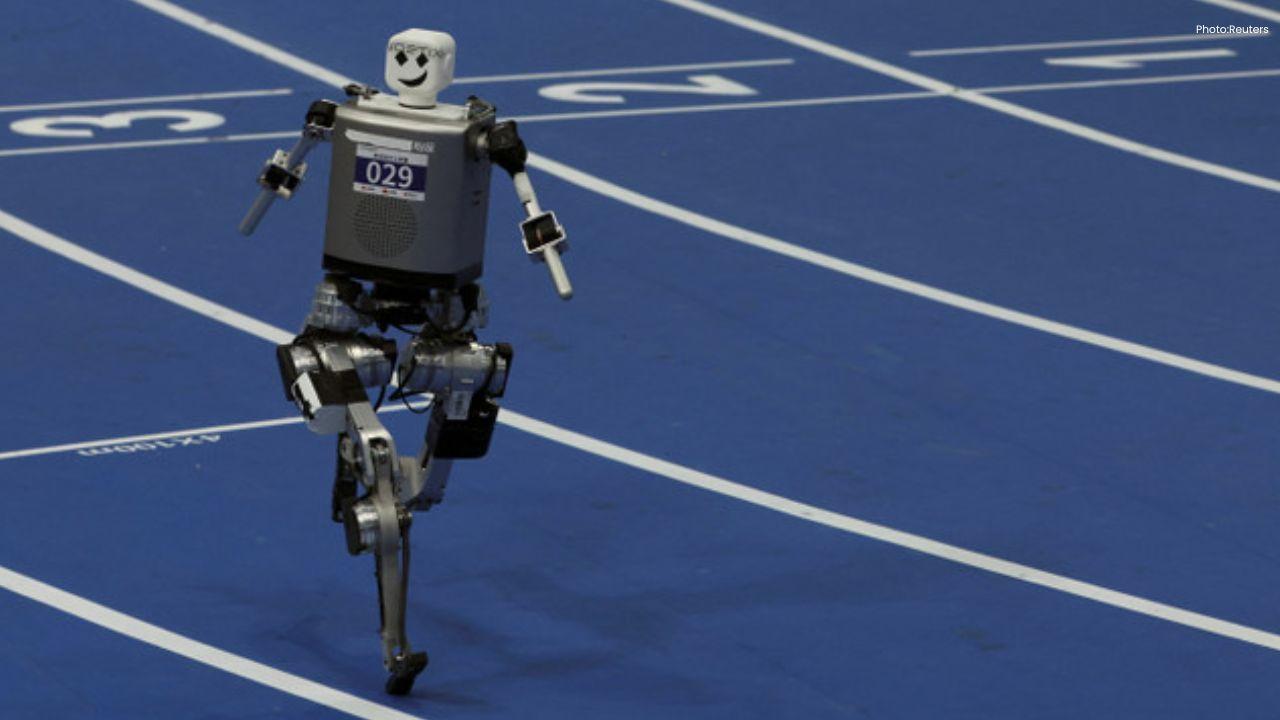
China’s Tiangong Sets New 400m Record at Robot Olympics
China’s Tiangong robot sets a new 400m record at the Robot Olympics, beating a South African robot i
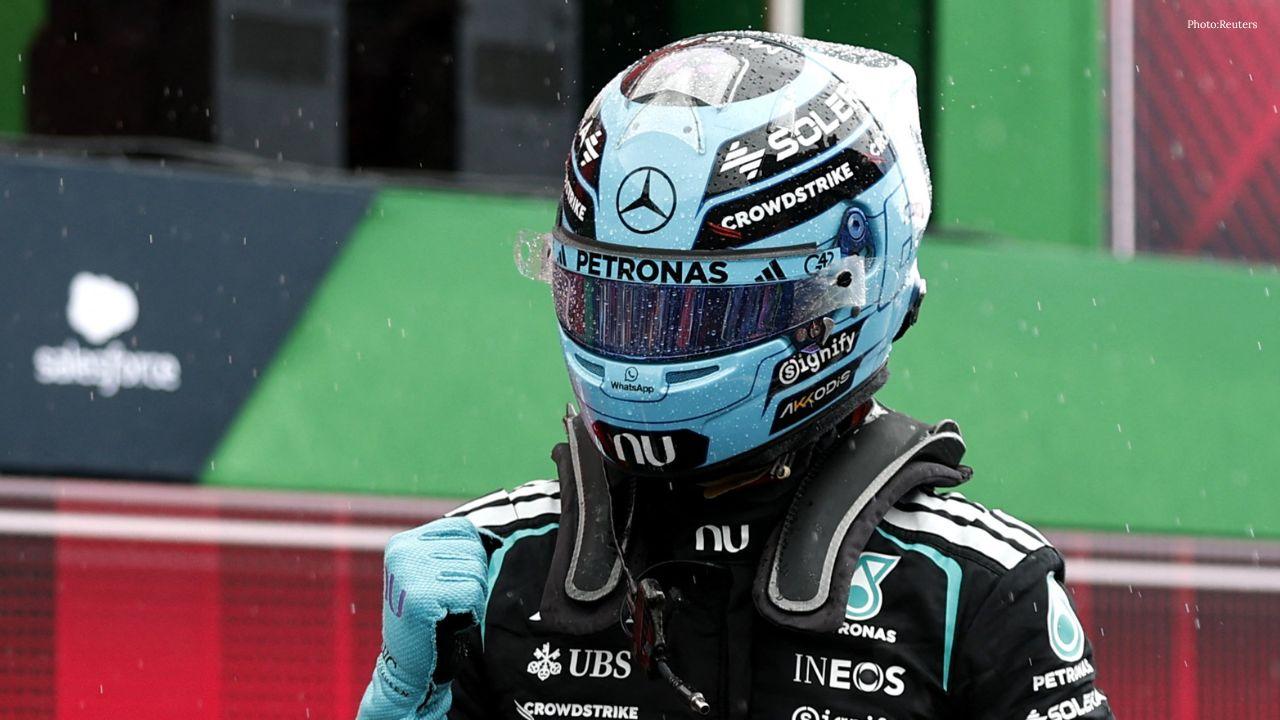
George Russell Wins Dutch GP Sprint, Boosts Mercedes Morale
George Russell wins the Dutch GP Sprint from pole as Mercedes teammate Kimi Antonelli extends his F1
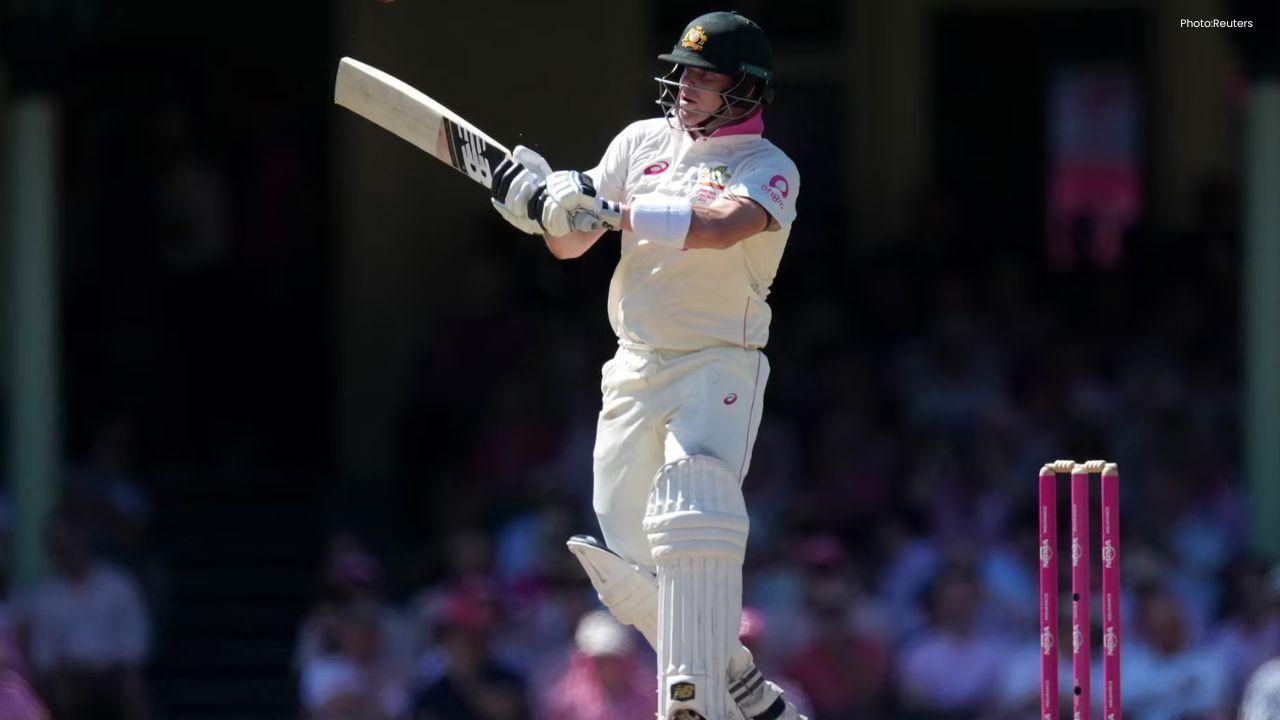
Australia 50/3 After Bangladesh Bowled Out for 64 in Second Test
Australia reached 50/3 after Bangladesh were bowled out for 64 in the second Test, with Mitchell Sta
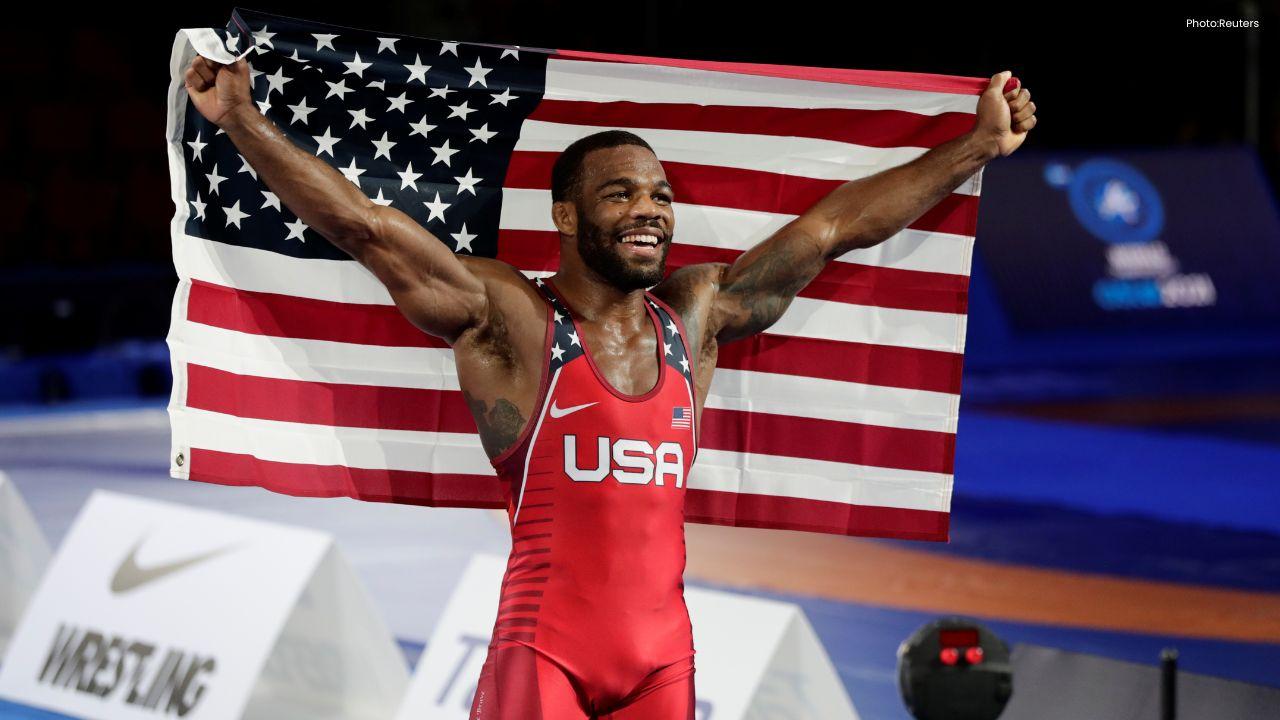
Jordan Burroughs Returns to Wrestling with 2028 Olympic Dream
Jordan Burroughs returns to wrestling with Real American Freestyle as the Olympic champion eyes a po