
You have not yet added any article to your bookmarks!
Join 10k+ people to get notified about new posts, news and tips.
Do not worry we don't spam!
Post by : Badri Ariffin
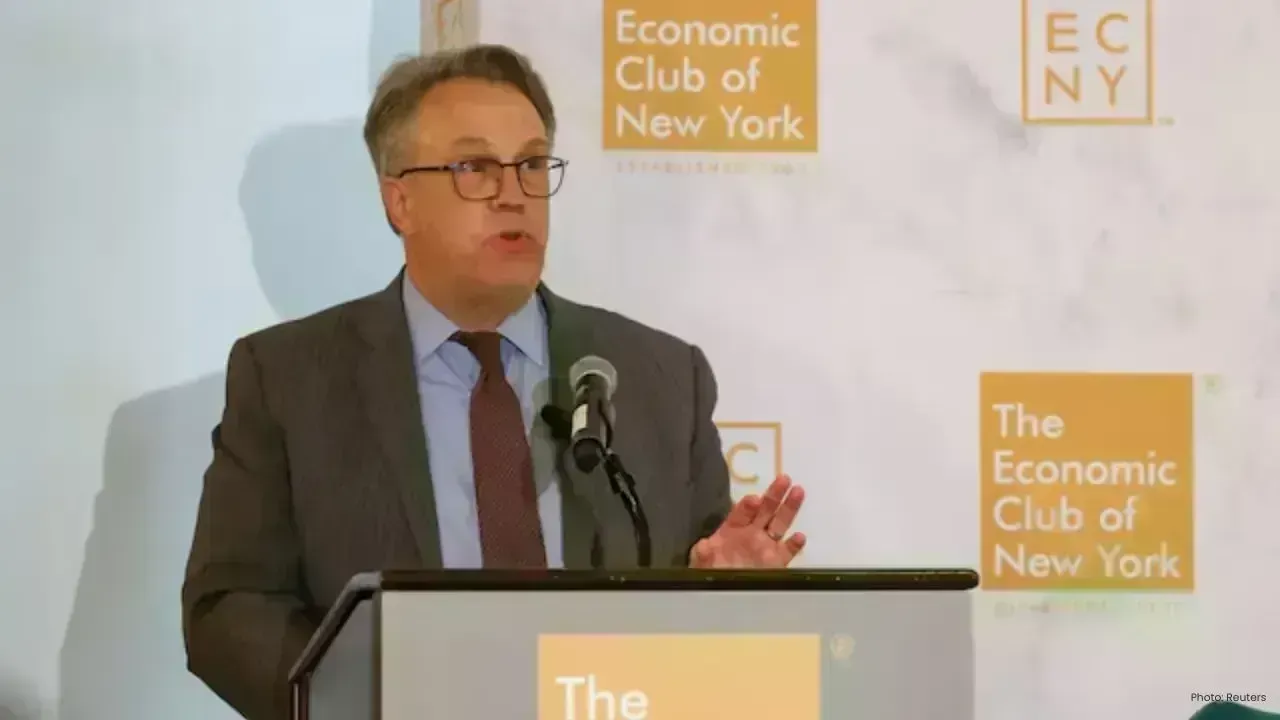
The debate over the U.S. Federal Reserve’s next move intensified on Friday after New York Fed President John Williams hinted that interest rates could still be lowered “in the near term,” a signal that immediately shifted market expectations toward a possible December cut.
Williams, speaking at an event hosted by the Central Bank of Chile, described current monetary policy as “modestly restrictive,” adding that there was room to adjust the federal funds rate toward what he considers a more neutral range. His position carries weight, not only because of the economic backdrop but also because he is a permanent voter on the Federal Open Market Committee.
His remarks were enough to move traders quickly. Market bets that had leaned heavily toward a rate pause swung back, with investors pricing in nearly a 60% chance of a quarter-point cut at the Fed’s December 9–10 meeting. Until Friday, persistent inflation concerns had kept expectations subdued.
Despite the shift, the overall picture remains mixed. Williams acknowledged that progress on inflation had “temporarily stalled,” with prices holding above the Fed’s 2% target. He noted, however, that tariff-related pressures should fade and that recent labor market data suggests cooling conditions, including a rise in the unemployment rate to 4.4%—a level similar to the years before the pandemic.
But not all Fed officials are ready to support a cut. Boston Fed President Susan Collins, speaking separately, said she was “hesitant” to ease policy further. She described the current 3.75%–4% rate range as suitable for keeping inflation under check, given the economy’s resilience. Her stance has been one of the key arguments pushing market sentiment away from early rate-cut hopes in recent weeks.
Dallas Fed President Lorie Logan echoed a similar caution. In remarks delivered in Zurich, she once again stressed that the October rate cut was premature, urging the central bank to hold the current rate level “for a time” to better assess how restrictive policy truly is. Logan will gain voting power next year, adding future significance to her position.
The divide among policymakers comes at a moment when the Fed lacks some of the economic data it usually relies on, following delays caused by the recent U.S. government shutdown. With inflation readings and job reports still pending, the December decision remains surrounded by uncertainty.
As the countdown to the next meeting begins, the Fed’s internal split—between those seeing room for adjustment and those preferring to wait—has set the stage for one of the most closely watched policy calls of the year.


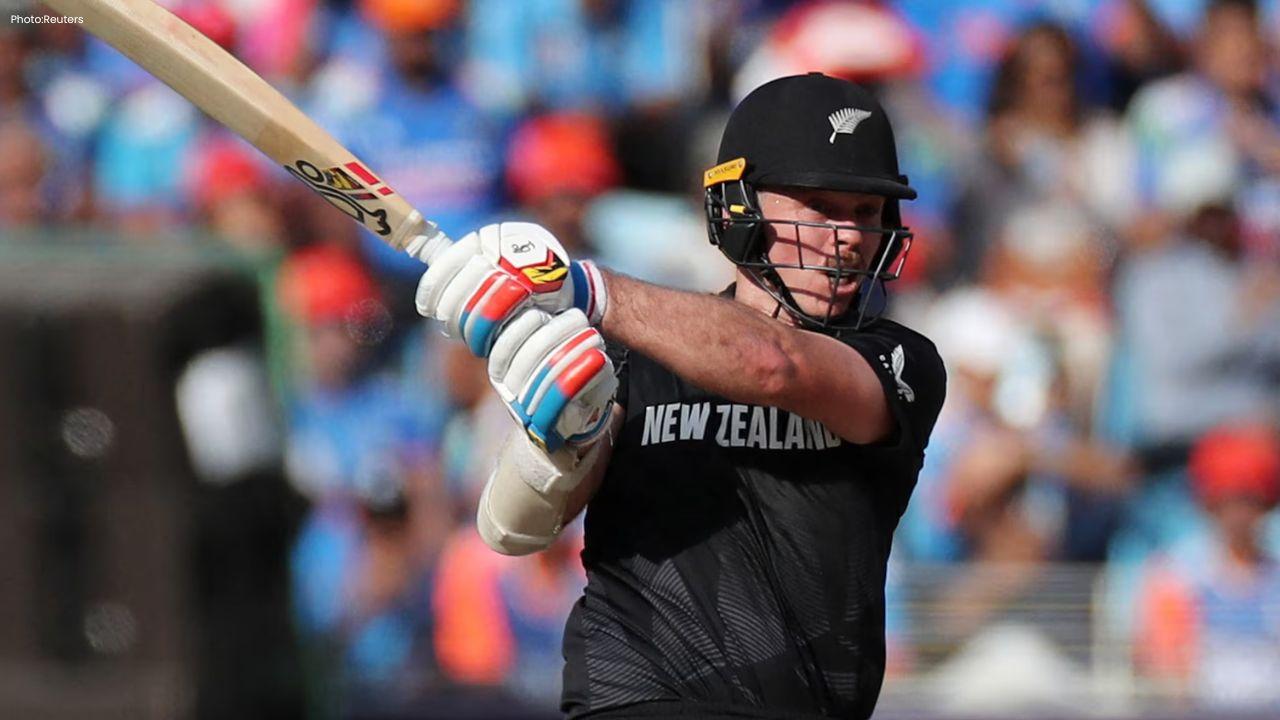




Michael Bracewell Chooses Casual Contract, Targets BBL Opportunity
Michael Bracewell moves to a casual contract as he eyes a BBL opportunity while remaining available

Tuchel Says Alex Scott Can Challenge Declan Rice for England Midfield Spot
Thomas Tuchel says Alex Scott can challenge Declan Rice for an England midfield place after his impr

Air Quality Turns Unhealthy in Central and Western Singapore Amid Haze
Singapore haze pushes PSI above 100 in central and western areas as smoke from regional hotspots rai

PM Modi Pays Tribute to Mahatma Gandhi, Urges People to Support Khadi
PM Modi pays tribute to Mahatma Gandhi on Gandhi Jayanti and urges citizens to support Khadi and the

Amazon Seeks to Offload $8 Billion in Nvidia Chips to Investors
Amazon plans to move $8 billion in Nvidia chips to investors, using a new financing model to strengt

Samsung Raises Galaxy S26 Prices as Memory Chip Costs Rise
Samsung raises Galaxy S26 prices in South Korea as rising memory chip costs put pressure on smartpho

