You have not yet added any article to your bookmarks!
Join 10k+ people to get notified about new posts, news and tips.
Do not worry we don't spam!
Post by : Saif Rahman
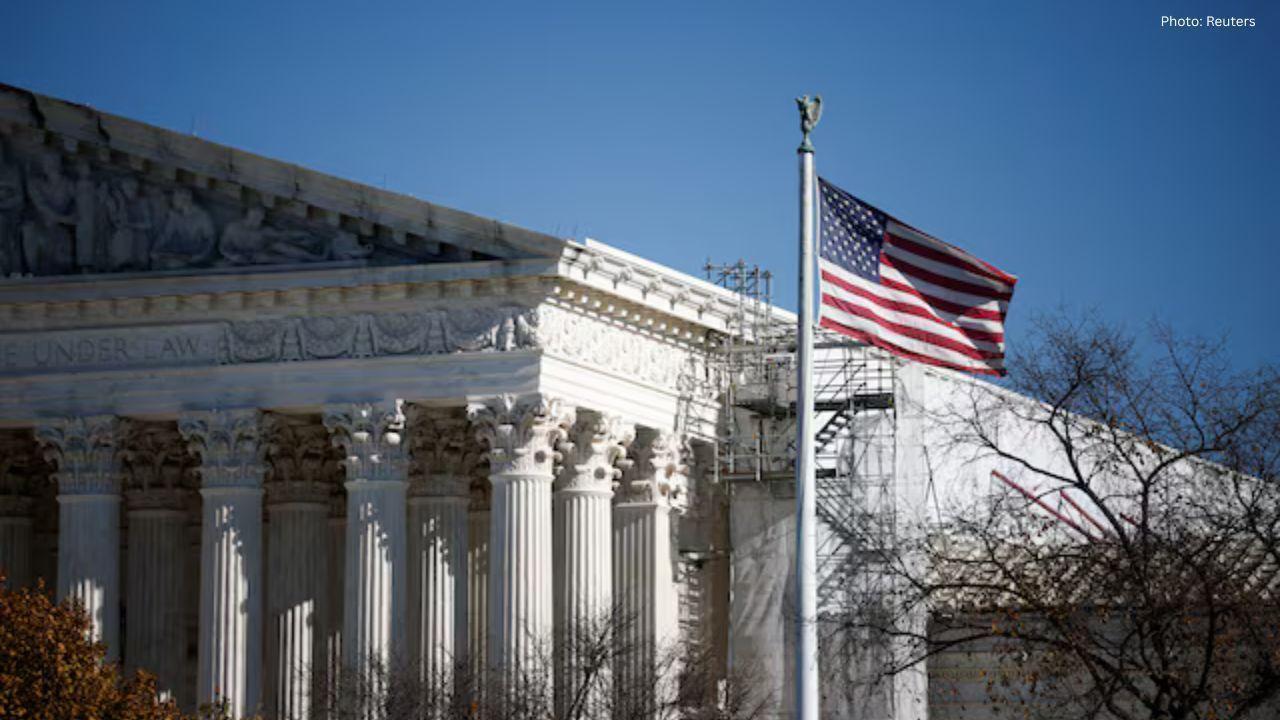
The United States Supreme Court seems inclined to revise the course of American judicial precedent by reassessing and potentially overturning more of its historical decisions. This shift sparks intense discussion about justice, consistency, and the prospective evolution of legal frameworks in the nation.
Central to this matter is the doctrine of stare decisis—essentially, the idea that courts ought to honor previous rulings when approaching similar legal issues. This principle has traditionally ensured that laws remain consistent and predictable, allowing individuals and enterprises to make informed decisions about their futures.
Yet, the current court is demonstrating a readiness to overturn earlier verdicts, especially in poignant and critical cases. Recently, it has reversed long-standing judgments on topics like reproductive rights and affirmative action, which have historically influenced American societal norms.
The court now prepares to deliberate over new cases that challenge the robustness of stare decisis. One significant case features a ruling from 1935 that restricts presidential control over independent government agencies. The justices will explore whether this historical rule should still be upheld.
The Trump administration has urged the court to eliminate that prior ruling. Should the court concur, it could considerably enhance presidential authority over independent agency officials. Critics caution that this may undermine the important checks and balances that fortify democracy.
Additionally, a case addressing campaign financing is on the docket. The court is being asked to revisit the limits on political spending directly linked to candidates, potentially reshaping the funding landscape of future political campaigns.
Voting rights may also be impacted by an upcoming case. Lawmakers are calling on the court to reassess prior judgments that safeguard minority voting. These issues illustrate the court's potential to alter critical aspects of electoral law.
Proponents of these revisions argue that prior decisions were flawed and warrant correction. They advocate for a legal philosophy known as originalism, suggesting that the Constitution should be construed in accordance with its original intent.
Conversely, opponents warn that excessive alteration breeds confusion and unpredictability. They express concern that easily overturned laws erode public trust in the legal system, which individuals, businesses, and governments rely upon to make long-term decisions.
Some justices support the court's approach, maintaining that it does not take the decision to overturn lightly and that rectifying earlier misjudgments reinforces the law. They assert that the court must not shield outdated errors merely due to their age.
History illustrates that overturning longstanding precedents isn't inherently misguided. A significant instance, Brown v. Board of Education, nullified a ruling that permitted racial segregation in schools, a crucial step toward ensuring justice and equality.
The pressing question remains: how often should the court recalibrate its own stance? When does the act of correction transmute into disruption?
This upcoming term may herald pivotal transformations in the governance of the United States. The forthcoming decisions are likely to influence presidential authority, electoral regulations, and the function of federal agencies for years to come.
For everyday Americans, these potential shifts resonate on a personal level. They influence how leadership is held accountable, how voting rights are upheld, and how power is managed.
The vitality of a democracy lies not solely in new legislation but also in the trust engendered within its citizenry. The Supreme Court stands at a crossroads, tasked with balancing change against stability and authority against accountability.
#World News #Global Global News world news #Global Global News world #Global Updates Global Global News world news








Study Warns Using AI for Medical Advice Is ‘Dangerous’ as Users Get Inaccurate Health Guidance
A major new study reveals that artificial intelligence (AI) chatbots and tools may give misleading o
Top Sci-Fi Movies Streaming on Netflix This February: Must-Watch Picks for Genre Fans
A curated news-style guide to the best science fiction films currently available on Netflix in Febru
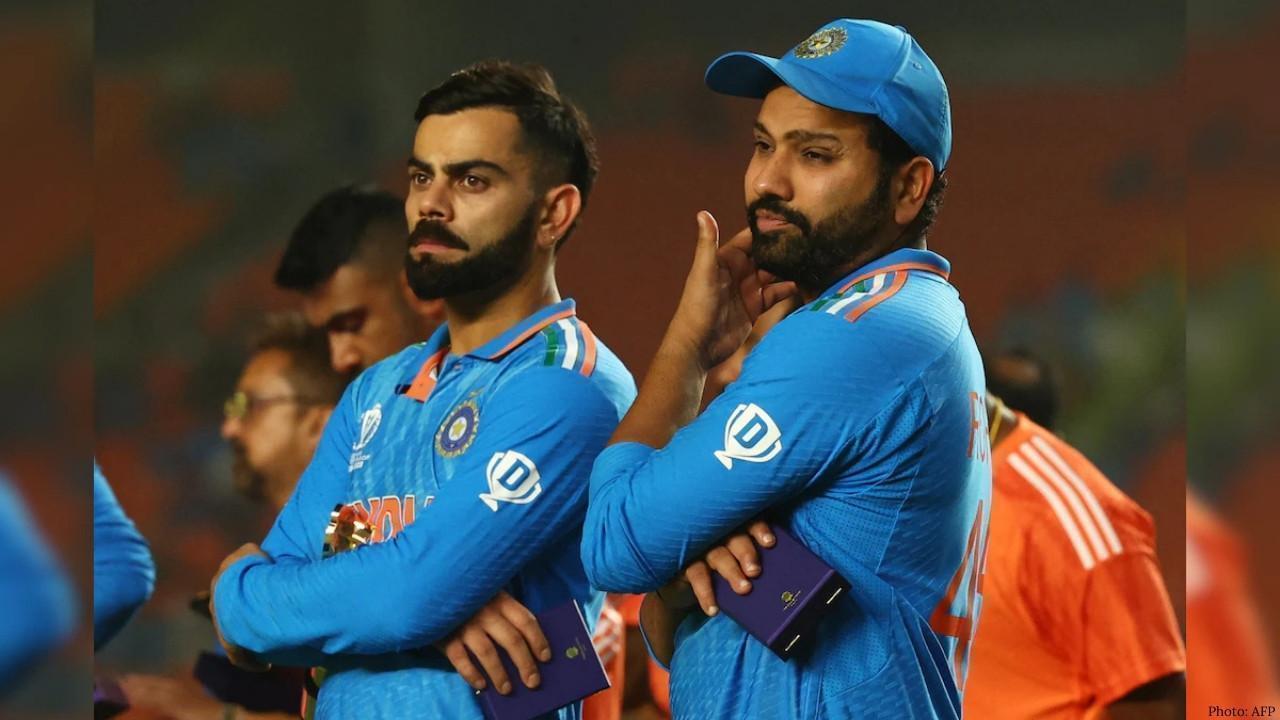
BCCI Central Contracts Shake-Up: Kohli, Rohit Moved to Grade B as Board Reshapes 2025–26 List
Virat Kohli and Rohit Sharma have been placed in Grade B in the BCCI’s 2025–26 central contract list

Dalal Street Spotlight: Top 10 Stocks Investors Are Watching as Markets Open on a High
Indian stock markets begin the week with strong momentum, and several blue-chip and mid-cap stocks a

Market Movers Today: Key Stocks Set To Watch In Indian Markets
Indian equity markets are poised for active trading as several major companies, including Bharti Air

Milan Welcomes the World: Inside the Grand Opening Ceremony of the 2026 Winter Olympics
The 2026 Winter Olympics opening ceremony in Milan marked a defining moment for global sport, blendi